
How to fix car transmission hard shifting gears usually starts with one unglamorous truth: most “hard shifts” are either fluid-related, control-related (software/sensors), or a mechanical wear issue that needs a shop before it gets expensive.
If your car jerks into gear, bangs on upshifts, hesitates before engaging Drive, or downshifts harshly, you’re not just dealing with comfort, you’re dealing with heat, wear, and sometimes safety. Hard shifting can increase stress on clutches, bands, CV joints, and mounts, and it can turn a small maintenance job into a big rebuild if ignored.
This guide helps you separate “safe to troubleshoot in the driveway” from “stop driving and get it checked.” You’ll get a quick self-test checklist, a practical decision table, and realistic fixes that match common US vehicles and shop workflows.

What “hard shifting” can mean (and why it feels different)
People say “hard shifting” but describe different symptoms, and the symptom pattern matters more than the feeling.
- Harsh 1–2 or 2–3 upshift: often fluid condition/level, solenoids, adaptive shift learning, or engine torque management issues.
- Bang into Drive/Reverse: can be low fluid, worn mounts, high idle, or internal pressure issues.
- Delayed engagement then a thump: commonly low fluid, a restricted filter, or valve body wear.
- Hard downshifts when stopping: sometimes brake switch/TCC behavior, software, or a sticking solenoid.
- Manual transmission “notchy” shifts: usually clutch hydraulics, clutch drag, linkage, or fluid viscosity.
According to NHTSA, sudden loss of power or unexpected vehicle movement can raise crash risk, so if your issue includes slipping, stalling in traffic, or unpredictable engagement, treat it as more than an annoyance.
Common causes in real-world order (what techs check first)
If you want the shortest path to an answer, start with what changes most often and costs least to verify.
Automatic transmissions
- Low or degraded ATF: leaks, wrong fluid type, overheating, overdue service intervals.
- Contaminated fluid or restricted filter: can cause pressure instability and harsh apply.
- Shift solenoids or valve body sticking: inconsistent line pressure, delayed shifts, harsh shifts.
- TCM/ECU adaptation or software: adaptive shift tables “learn” around wear; after a battery disconnect or repair, shifts can feel rough until relearned.
- Engine-side issues: misfires, throttle body problems, bad MAF, vacuum leaks; the transmission reacts to unstable torque.
- Mounts and driveline slack: worn engine/trans mounts make normal shifts feel like a hammer.
Manual transmissions
- Clutch not fully releasing: air in hydraulic line, failing master/slave cylinder, warped disc, poor adjustment (where applicable).
- Wrong/old gear oil: especially in cold weather, thick oil can worsen 1st/2nd engagement.
- Shifter linkage/cables: binding, worn bushings, misadjustment.
- Synchro wear: grinding into a specific gear points here more than “fluid.”
Quick self-check checklist (10 minutes, minimal tools)
Before you chase parts, collect a few clues. They narrow the diagnosis fast.
- When is it worst? Cold start, hot after highway, only under heavy throttle, only when coasting to a stop.
- Any warning lights? Check Engine, “Transmission,” wrench light; note if lights are intermittent.
- Any leaks? Red/brown spots under the car, wet pan edge, wet axle seals.
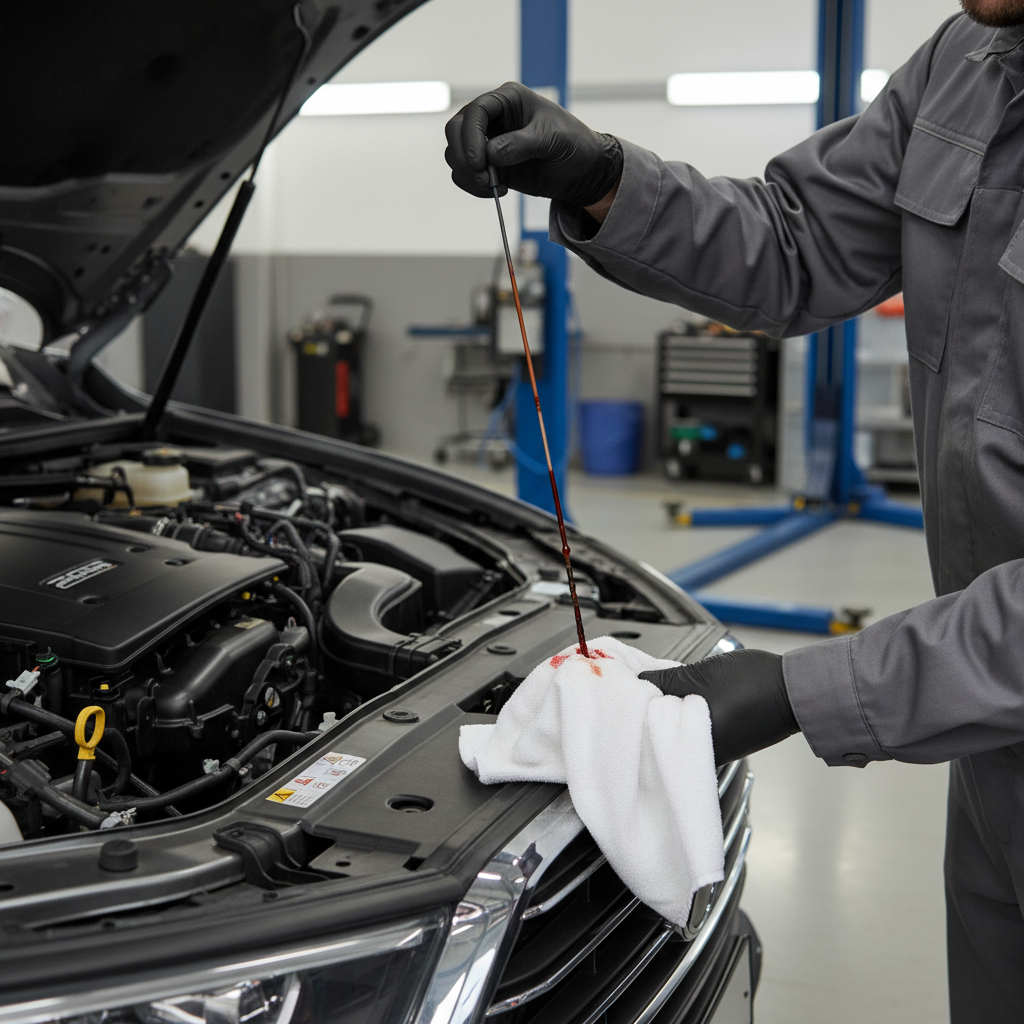
- Fluid check (if equipped with dipstick): level, smell (burnt), color (dark/brown), bubbles/foam.
- Idle speed feels high? A high idle can “slam” engagement into Drive/Reverse.
- Clunk on throttle on/off? Points to mounts or driveline lash more than internal transmission.
- Manual: clutch feel spongy pedal, engagement near the floor, creeping with pedal fully down.
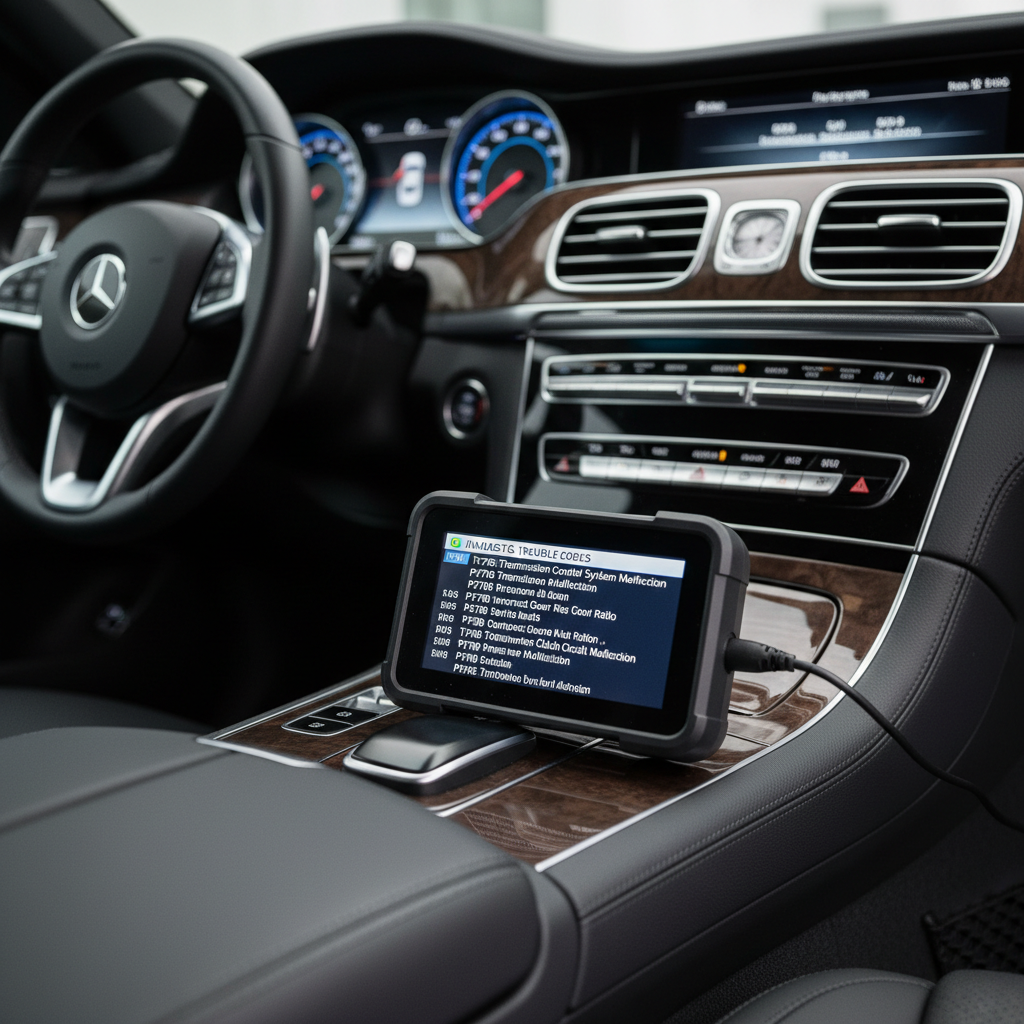
- Scan for codes with an OBD-II tool: note P07xx transmission codes and engine misfire codes (P0300–P030x).
Key point: if you smell burnt fluid, see metal glitter, or the car slips between gears, driving “a little longer” often makes the final repair more painful.
Decision table: symptom → likely cause → what to try first
This is not a promise, it’s a practical map. Multiple issues can stack, especially on higher-mileage cars.
| Symptom | Most likely suspects | First step that’s usually worth doing |
|---|---|---|
| Hard shifts when cold only | Fluid viscosity, adaptive learning, worn mounts | Verify correct fluid, inspect mounts, gentle relearn drive |
| Harsh 1–2 shift under light throttle | ATF condition/level, solenoid response, software | Check level/condition, scan codes, ask shop about TCM update |
| Delay then thunk into Drive/Reverse | Low ATF, restricted filter, line pressure issues | Check for leaks, correct level, stop if slipping starts |
| Hard downshift when stopping | TCC behavior, brake switch, solenoid sticking | Scan data/codes, inspect brake switch, fluid service if overdue |
| Manual won’t go into gear smoothly | Clutch not releasing, hydraulics, linkage | Check clutch fluid, bleed system, inspect linkage/bushings |
| Only one gear grinds | Synchro wear, clutch drag | Rule out clutch drag, then plan shop diagnosis |
How to fix car transmission hard shifting gears: practical steps by scenario
Here’s the part people want, but it works best when you pick the path that matches your clues instead of trying everything.
1) If fluid level/condition looks wrong (automatic)
- Confirm the correct check procedure: some cars require the engine running, warmed up, on level ground; others have no dipstick and need a fill/check plug method.
- Top off only with the specified ATF: wrong fluid can change friction behavior and make shifts worse.
- If service is overdue: a drain-and-fill is often safer than a power flush on unknown maintenance history, but the right approach depends on the unit and condition. If fluid is very dark or smells burnt, a shop should evaluate before you spend on “maintenance.”
- Find leaks: pan gasket, cooler lines, axle seals; fixing the leak matters more than topping off repeatedly.
According to AAA, keeping up with factory-recommended maintenance reduces the odds of major breakdowns, and transmission fluid service is one of those items people delay until symptoms show up.
2) If you have codes or a check engine light
- Scan and write down codes (not just clear them). A P07xx code family points toward transmission control, but engine codes can still be the root cause.
- Address engine drivability first: misfires and unstable torque can feel like “bad shifting,” especially in modern autos that coordinate engine torque during shifts.
- Check battery/charging health: low voltage can cause odd solenoid behavior and module confusion.
If you’re trying to figure out how to fix car transmission hard shifting gears and you also have an engine misfire, chasing the transmission first often wastes money.
3) If shifting got harsh after battery disconnect or recent repair
- Give it a controlled relearn period: many vehicles adapt shift pressures over time; drive gently, vary speeds, avoid full-throttle runs for a bit.
- Ask a shop about reset/relearn procedures: some makes need a scan tool to do a proper adaptive reset, especially after valve body work.
- Check for updated calibrations: a TCM/PCM update can change shift scheduling and pressure commands. According to NHTSA, manufacturers issue recalls and service campaigns for various drivability and control issues, so it’s worth checking your VIN for open actions.
4) If the car “thunks” but shifts are otherwise normal
- Inspect engine and transmission mounts: torn rubber or collapsed mounts amplify every shift.
- Check driveline play: worn CV joints, U-joints, or differential bushings can mimic harsh shifts.
- Rule out high idle: dirty throttle body or intake issues can keep RPM up, making engagement feel abrupt.
This is an underrated category because the transmission may be fine, but the car still feels rough, and people pay for transmission work that never fixes the “bang.”
5) Manual transmission: if it’s hard to get into gear at a stop
- Check clutch fluid level and condition: low fluid often means a leak, and air in the system reduces release travel.
- Bleed the clutch hydraulics: if you’re comfortable doing it, follow your vehicle procedure; if not, a shop can do it quickly.
- Test for clutch drag: with engine running, clutch fully down, try Reverse; grinding suggests incomplete release.
- Inspect shifter linkage/bushings: sloppy or binding movement can cause notchy shifts without internal gearbox damage.
Common mistakes that make hard shifting worse
- Using the wrong fluid: “universal” fluids sometimes work, sometimes cause harsh engagement; follow the spec.
- Overfilling ATF: foam and aeration can create pressure problems that feel like rough shifts.
- Clearing codes without documenting: you erase the breadcrumbs that help a technician diagnose quickly.
- Adding random additives: some products mask symptoms temporarily; if a clutch pack is slipping, additives rarely solve the underlying wear.
- Ignoring mounts: a $150 mount problem can feel like a $3,500 transmission problem.
When to stop DIY and call a transmission professional
Some signs mean you’re past “try a few things” territory.
- Slipping (RPM rises without speed increase) or neutraling out between gears
- Burnt smell, visible metal flakes, or very dark fluid with debris
- Limp mode (stuck in one gear) or repeated overheating warnings
- Safety risk symptoms: delayed engagement pulling into traffic, unexpected harsh downshift mid-corner
- Persistent harsh shifting after correct fluid service and no engine issues
A reputable shop can do line-pressure checks, bidirectional solenoid tests, and pinpoint whether the valve body, solenoid pack, torque converter, or internal clutches are involved. If you’re under warranty, document symptoms and codes before any work.
Conclusion: a realistic path to smoother shifts
If you’re trying to figure out how to fix car transmission hard shifting gears, start with the basics that actually change outcomes: correct fluid level and type, code scanning, and ruling out mounts or engine misfires. That combination solves a surprising share of “harsh shift” complaints without guessing.
If your checks point to burnt fluid, slipping, or repeat limp mode, don’t wait for it to “wear in,” book a professional diagnosis while the unit is still repairable. Your next move should be simple: do the quick checklist today, then decide whether you’re in the DIY-maintenance lane or the shop-diagnosis lane.
FAQ
- Can low transmission fluid cause hard shifting?
Yes, low ATF can reduce hydraulic pressure stability, which can create delayed engagement or harsh shifts. If you’re topping off repeatedly, a leak check matters as much as the refill. - Is it safe to drive with hard shifting?
Sometimes it’s manageable for short trips, but if you notice slipping, delayed engagement into Drive, or unpredictable behavior in traffic, it’s safer to limit driving and get it inspected. - Will a transmission fluid change fix harsh shifting?
It can, especially when fluid is old or low. If the fluid smells burnt or you see debris, a shop evaluation is smarter than assuming a fluid change will solve it. - Why does my car shift hard after a battery replacement?
Many vehicles use adaptive shift learning. After power loss, it may relearn pressure and timing over several drive cycles; if it stays harsh, scanning for codes and checking for software updates helps. - What OBD-II codes relate to hard shifting?
P07xx codes often relate to transmission control, but engine codes (like misfires) can also trigger harsh shifts. Don’t ignore the engine side, because the transmission responds to torque changes. - Hard shifting only when cold, is that normal?
Mild firmness can be normal in cold weather, but noticeable banging or delays suggest fluid viscosity issues, mount problems, or a control issue that deserves a closer look. - Manual transmission is hard to shift into first gear, what should I check?
Check clutch fluid and release behavior first. If the clutch drags, the gearbox resists engagement; bleeding hydraulics or addressing a leak often helps before assuming internal damage.
If you’re stuck between “it’s annoying” and “it’s getting worse,” a quick diagnostic scan plus a fluid and leak inspection is usually the most efficient next step. If you’d rather skip the trial-and-error, many local shops can do a focused transmission drivability check and tell you whether you’re looking at maintenance, a control issue, or internal wear.