
how to fix car ac blowing warm air usually comes down to one of three things: the system can’t move enough air, it can’t remove heat, or it isn’t getting the right signals to turn the cooling parts on.
That sounds broad, but it’s actually good news, because you can narrow it down quickly with a few basic checks before you buy parts or pay a shop. Many “AC is warm” complaints are caused by something simple like a clogged cabin air filter or a fan not running the way it should.
This guide walks you through a practical, low-drama diagnosis path, what you can safely do at home, what you should not DIY, and when it makes more sense to hand the car to an A/C technician.

Quick reality check: what “warm air” really means
Before you chase a refrigerant problem, make sure you’re describing the symptom accurately. “Warm” can mean very different failures.
- Never gets cold: often low refrigerant, compressor not engaging, or an electrical control issue.
- Cold at speed, warm at idle: frequently weak condenser cooling (radiator/condenser fans), airflow restriction, or an overheat-related issue.
- Cold on passenger side, warm on driver side: common on dual-zone systems, often blend door actuator problems.
- Starts cold, then turns warm: can be low charge, evaporator icing, pressure switch behavior, or compressor wear.
Do this fast check: set A/C to MAX, recirculation ON, fan on medium-high, windows up, and drive 10 minutes. If it cools only while moving, pay attention to airflow across the condenser and fan operation.
The most common causes (and what they feel like)
When people search how to fix car ac blowing warm air, they usually end up in one of these buckets. The “feel” helps you avoid random repairs.
1) Low refrigerant or a leak
If refrigerant is low, the system can’t absorb enough heat, so vent temps climb. Low charge is often a leak, not “normal use.” You may also notice the A/C cycling rapidly or not staying consistently cold.
According to the U.S. Environmental Protection Agency (EPA), refrigerants used in motor vehicle air conditioners should be handled properly, and intentional venting is prohibited. In practice, that means leak repair and proper recovery equipment matter.
2) Weak airflow through the cabin
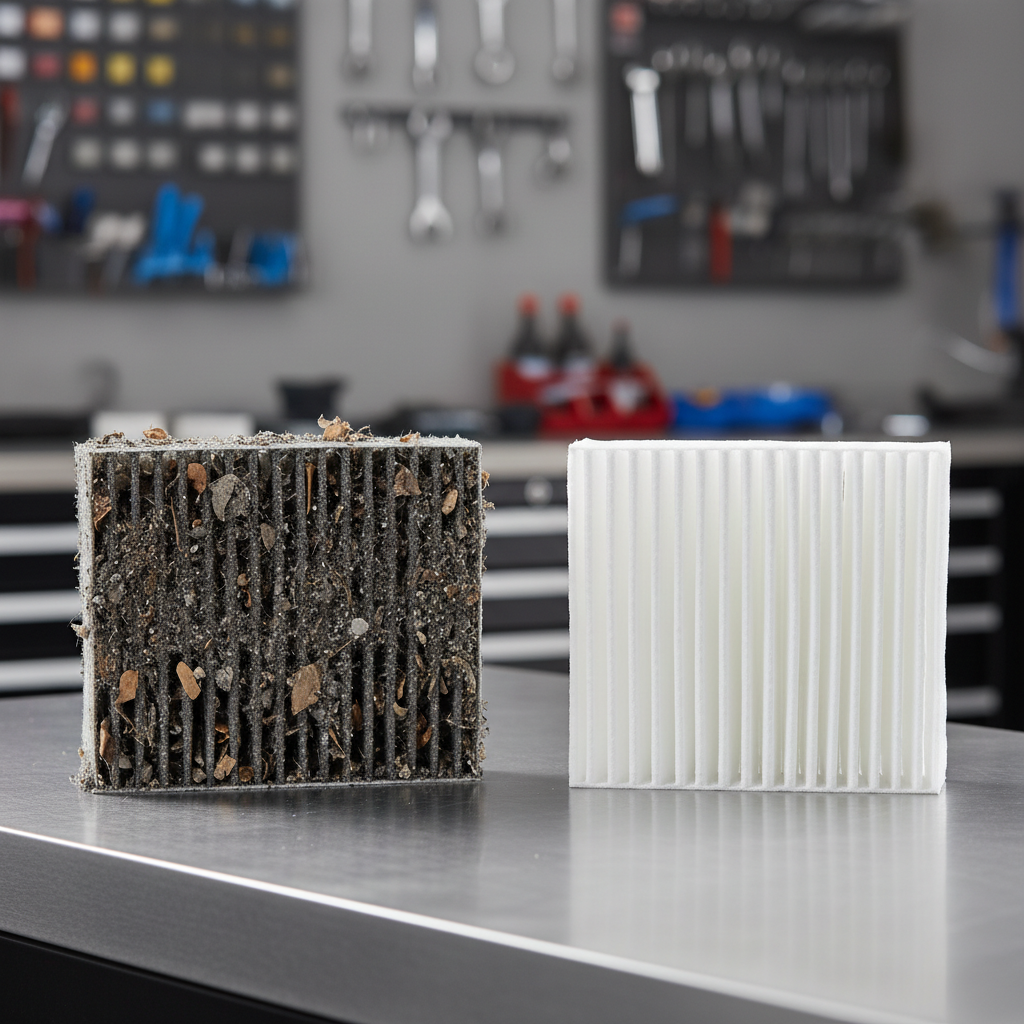
A clogged cabin air filter, debris in the blower fan, or a failing blower motor resistor can make it seem like the air isn’t cold. Sometimes the air is cooled, but not enough volume reaches you.
3) Compressor not engaging consistently
Common reasons include a bad A/C relay, blown fuse, pressure switch issues, compressor clutch problems (on older designs), or a control module preventing engagement. The symptom is often “A/C button on, but no cold.”
4) Condenser not shedding heat
If the condenser can’t dump heat to outside air, the system can’t cool the cabin. This shows up more at idle or in traffic. Causes include a non-working cooling fan, blocked condenser fins, or bent/dirty fins.
5) Blend door / actuator problems
If the HVAC box keeps mixing in hot air, you’ll get warm vents even when the A/C system itself is fine. Dual-zone cars are especially prone to this “one side hot” issue.
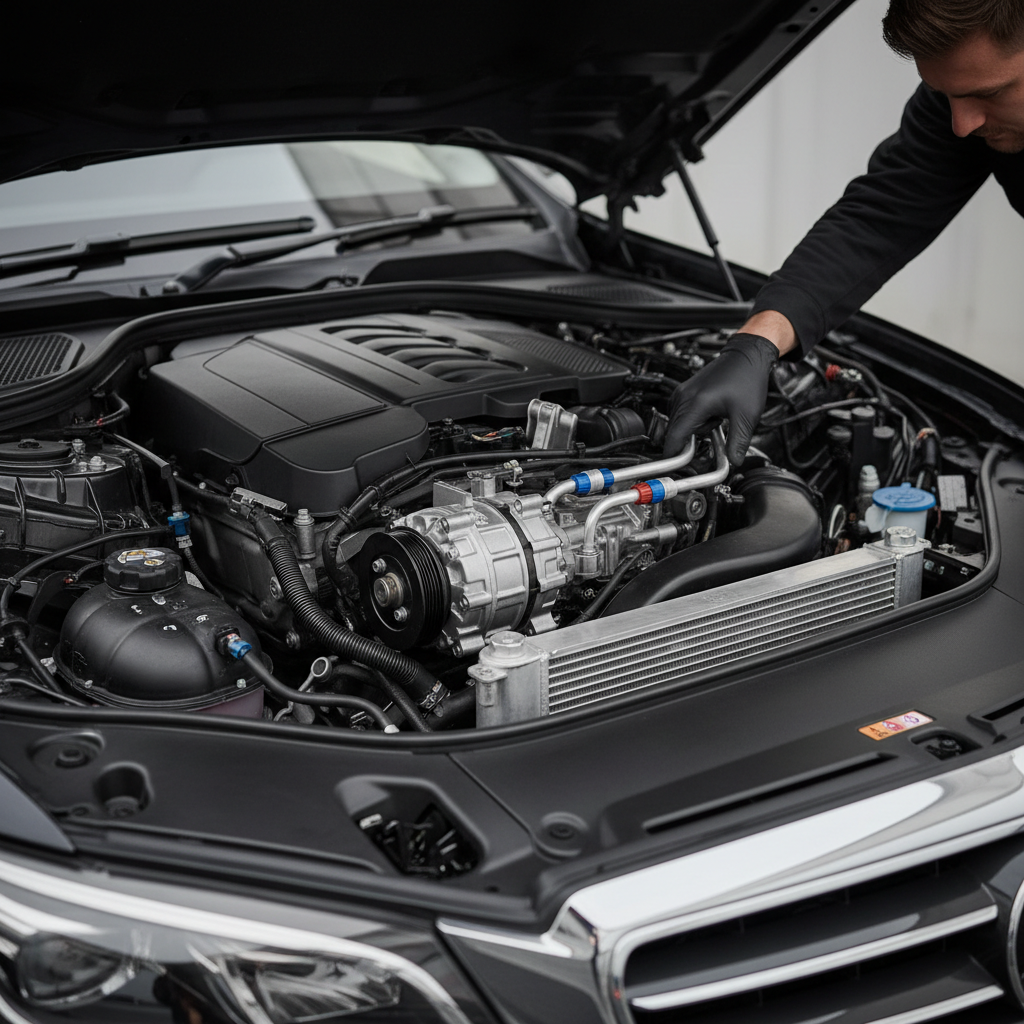
A simple self-check checklist (10 minutes, minimal tools)
You don’t need an A/C license to do basic observation. You do need to be careful around moving fans and belts.
- Confirm settings: A/C ON, recirc ON, temp full cold, fan medium-high.
- Check airflow strength: if airflow is weak, inspect the cabin air filter first.
- Listen for compressor engagement: a subtle click when A/C turns on, and idle may dip slightly.
- Look at the radiator/condenser fans: with A/C on, many cars command fans on quickly.
- Inspect the condenser face: leaves, plastic bags, mud, and bent fins can block airflow.
- Check for obvious leaks: oily residue around A/C hose crimps or at the compressor can hint at refrigerant oil seepage.
- Note “side-to-side” temperature differences: points toward blend door or dual-zone actuator issues.
If you have a cheap vent thermometer, you can track whether vent temperature changes with engine RPM or vehicle speed. That pattern is often more useful than a single number.
Fixes you can usually do yourself (low risk, high payoff)
These are the steps that solve a surprising percentage of warm-air complaints without touching refrigerant.
Replace the cabin air filter
If airflow is weak, start here. Many filters are behind the glove box and take 5–15 minutes. Use the correct airflow direction arrow and seat the filter properly so air can’t bypass it.
Clean debris from the cowl intake and vents
Leaves and pine needles can restrict intake airflow and add smells. Clear the plastic cowl area at the base of the windshield if accessible, and vacuum visible debris.
Check fuses and relays (A/C, blower, cooling fan)
Use the fuse box diagram (owner’s manual or lid label). If you find a blown fuse, replace it once. If it blows again, stop there—repeated blowing suggests a short or failing component.
Help the condenser breathe
Gently rinse the condenser/radiator stack with low-pressure water from the engine side out (when cool). Avoid high pressure, which can flatten fins and make cooling worse.
Fixes that involve refrigerant (where DIY can go wrong)
Refrigerant is where many “easy fixes” turn expensive. Overcharging, using the wrong product, or ignoring a leak can damage the compressor.
Before you recharge, consider what you’re actually solving
- If the system is low, there is often a leak. A recharge may cool temporarily, then fade again.
- “Top-off” cans with sealers can create problems for recovery machines and future repairs, and many shops dislike working on systems with sealant inside.
- Proper diagnosis uses manifold gauges (high/low side) and sometimes temperature/pressure charts—more precise than a single low-side gauge.
According to the Society of Automotive Engineers (SAE), automotive A/C service is expected to follow procedures that prevent refrigerant release and ensure correct charging by specification. In real-world terms, the correct charge amount matters more than people think.
If you still choose to recharge
At minimum, confirm the exact refrigerant type listed on the under-hood label, and avoid mixing. Use only compatible refrigerant and oil type. If vent temperature improves briefly but returns to warm, you likely need leak diagnosis rather than repeated charging.
When warm air points to a specific component (and what to do next)
This is the part where you stop guessing and start matching symptom to likely failure.
| Symptom | Likely causes | What you can try first | When to stop DIY |
|---|---|---|---|
| Cold while driving, warm at idle | Cooling fans not running, blocked condenser, high under-hood temps | Verify fans with A/C on, rinse condenser, check fan fuse/relay | If fans don’t command on or engine runs hot |
| One side warm (dual-zone) | Blend door actuator, door jam, control head issue | Run HVAC calibration (if supported), scan for HVAC codes | If clicking persists or calibration fails |
| A/C button on, no compressor activity | Relay/fuse, pressure switch, clutch, wiring | Check fuses/relays, look for cycling request in scan tool | If electrical testing is needed at compressor connector |
| Starts cold, then fades warm | Low charge, evaporator icing, compressor wear | Check cabin filter, confirm blower strength, watch cycling pattern | If requires gauge readings or leak test |
| Weak airflow and musty smell | Dirty cabin filter, evaporator moisture/mold | Replace filter, use HVAC cleaner as directed | If odor persists or allergy/asthma concerns arise |
Common mistakes that waste money (or make the problem worse)
- Recharging without confirming airflow: a $15 filter can mimic “no cold.”
- Overfilling refrigerant: too much can raise pressures and reduce cooling, and may stress the compressor.
- Ignoring condenser fan issues: especially if cooling is fine on the highway but bad in traffic.
- Assuming “it just needs Freon”: many newer cars use R-1234yf, and low refrigerant often indicates a leak.
- Using stop-leak blindly: it may complicate professional repair later.
When it’s time to call a pro (and what to ask for)
If you’ve done the basic checks and the A/C still blows warm, it’s reasonable to step up to professional diagnostics. Refrigerant handling, leak detection, and some electrical faults are simply faster and safer with the right tools.
You may want a shop that can perform:
- Recover/evacuate/recharge by specification (not “add until cold”).
- UV dye or electronic leak detection to find the actual leak point.
- Pressure and temperature diagnosis to confirm compressor and expansion device performance.
- HVAC module scan for blend door and actuator faults on modern vehicles.
If you’re worried about cost, ask what they will test first and what results would change the next step. A good shop can explain the decision path without forcing you into a big repair immediately.
Key takeaways (so you don’t get stuck in trial-and-error)
- Weak airflow often points to a cabin filter or blower issue, not refrigerant.
- Warm at idle, cooler while moving frequently points to condenser airflow or fan control.
- Low refrigerant is commonly a leak story, not a one-time recharge story.
- Dual-zone temperature mismatch often suggests blend door actuator trouble.
If you want the most reliable path: verify airflow, verify fans, then decide whether refrigerant diagnostics are warranted. That order prevents a lot of wasted effort.
FAQ
Why is my car AC blowing warm air suddenly?
A sudden change is often electrical (fuse/relay/fan control), a compressor clutch/control issue, or a refrigerant leak that finally dropped below a working threshold. Start by confirming cooling fans run with A/C on and that airflow from vents is strong.
How do I know if it’s low refrigerant vs a bad compressor?
Without pressure readings, it’s hard to be definitive. Low refrigerant often cools intermittently and may show oily residue at fittings, while a failing compressor may make noise or show poor cooling even with correct charge. A shop can confirm with gauges and temperature readings.
Can a dirty cabin air filter make the AC feel warm?
Yes, in many cases. The air may be cooled but not enough volume reaches you, so it feels warm or “barely cool.” If airflow is weak, replacing the cabin filter is one of the best first moves.
Is it safe to use an AC recharge can from an auto parts store?
It can be risky if you don’t know the system condition or the correct refrigerant type. Overcharging is a common problem, and products with sealant can create complications later. If you’re unsure, professional service is often the safer option.
Why does my AC get colder when I’m driving?
Driving increases airflow across the condenser, helping it shed heat. If cooling improves at speed, check radiator/condenser fans, condenser blockage, and overall under-hood airflow.
Why is one side cold and the other side warm?
On dual-zone systems, this often points to a blend door actuator or a calibration issue. Sometimes a scan tool can reveal HVAC codes, and some vehicles have a relearn/calibration procedure, but persistent mismatch usually needs diagnosis.
How much does it typically cost to fix car AC blowing warm air?
It varies widely by cause. A cabin filter is inexpensive, while leak repairs or compressor replacement can be much more. If you want cost control, pay for a diagnostic that includes leak testing and a written estimate before authorizing major parts.
Conclusion: If you approach how to fix car ac blowing warm air like a quick triage—airflow first, condenser/fans second, refrigerant and controls last—you’ll usually find the problem faster and avoid the classic cycle of random recharges and guesswork. Pick one check you can do today (cabin filter or fan operation) and use what you find to decide the next step.
If you’re currently dealing with warm vents and you’d rather skip trial-and-error, a local A/C shop that can do leak detection and charge-by-spec diagnostics can be a more efficient path, especially on newer R-1234yf systems where mistakes get expensive.