
Best car door edge guard protector searches usually start after one annoying moment, you open the door in a tight parking spot and notice a fresh chip or a thin scratch along the edge. Door edges take a beating from curbs, garage walls, shopping carts, and even your own driveway routine.
The good news is edge guards are one of the cheapest “small fixes” that can prevent repeat paint damage, and they often make resale photos look cleaner too. The tricky part is that not all guards behave the same, some yellow, some fall off in heat, and some make doors harder to close if they’re too thick.
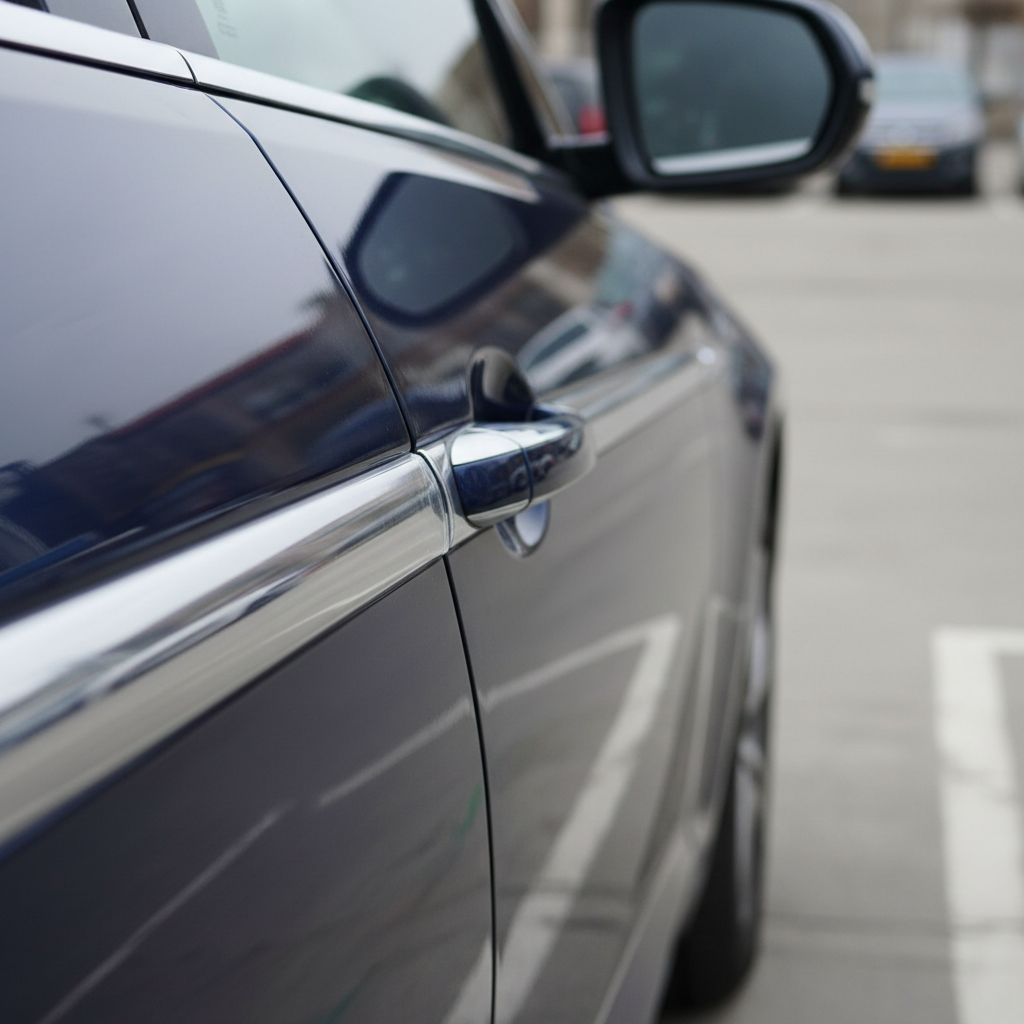
This guide breaks down the common types, what to buy for your situation, how to install without bubbles or peel-up, and what mistakes waste money. I’ll also include a quick comparison table so you can pick faster.
What a door edge guard actually protects (and what it doesn’t)
A door edge guard is designed to take the first hit when the door edge contacts something hard. In real life, that means it helps prevent paint chips on the door’s sharp edge, reduces scuffing when a door lightly taps a wall, and can soften minor contact in crowded lots.
What it doesn’t do, at least not reliably, is prevent a serious dent if someone swings their door hard into yours. If dent prevention is the main worry, you’re really talking about parking strategy, PPF coverage in wider areas, or accepting that “door dings happen.”
According to NHTSA, vehicle safety and maintenance guidance often emphasizes keeping exterior components in good condition for visibility and safe operation; edge guards fall more into cosmetic protection, but they can still reduce sharp-edge paint damage that later turns into rust in some climates.
Types of edge guards: which one tends to work best
“Best” depends on climate, paint color, how picky you are about looks, and whether you want a removable solution. Here are the common categories you’ll see when shopping for a best car door edge guard protector option.
U-channel trim (pinch-on, metal clips inside)
- Why people buy it: quick install, strong grip, good impact buffering.
- Where it can disappoint: can trap grit if not cleaned, thicker profiles may look bulky on some cars.
- Best for: daily drivers, families, tight garages.
Adhesive vinyl strip (stick-on edge tape)
- Why people buy it: slim, clean look, often nearly invisible from a few feet away.
- Where it can disappoint: prep matters a lot, edges can lift if installed in cold or on contaminated paint.
- Best for: people who care about aesthetics, newer cars, lease returns.
Clear paint protection film (PPF) edge strips
- Why people buy it: very subtle, good UV stability on quality film, easy to clean.
- Where it can disappoint: not much cushioning, more about chip prevention than impact buffering.
- Best for: enthusiasts, dark colors where you hate seeing added trim.
Magnetic or temporary guards (less common)
- Why people buy it: removable for specific situations.
- Reality check: most people stop using them because it’s one more thing to remember.
Quick comparison table (choose faster)
If you’re skimming, this table is the shortcut. Think of it as “what usually works for most drivers,” not a universal rule.
| Type | Look | Protection feel | Install difficulty | Best fit for |
|---|---|---|---|---|
| U-channel trim | Visible | Higher cushioning | Easy | High-use doors, kids, tight parking |
| Adhesive vinyl strip | Low-profile | Moderate | Medium | Clean look, light protection needs |
| Clear PPF edge strip | Nearly invisible | Low cushioning | Medium | Paint chip prevention, darker paint colors |
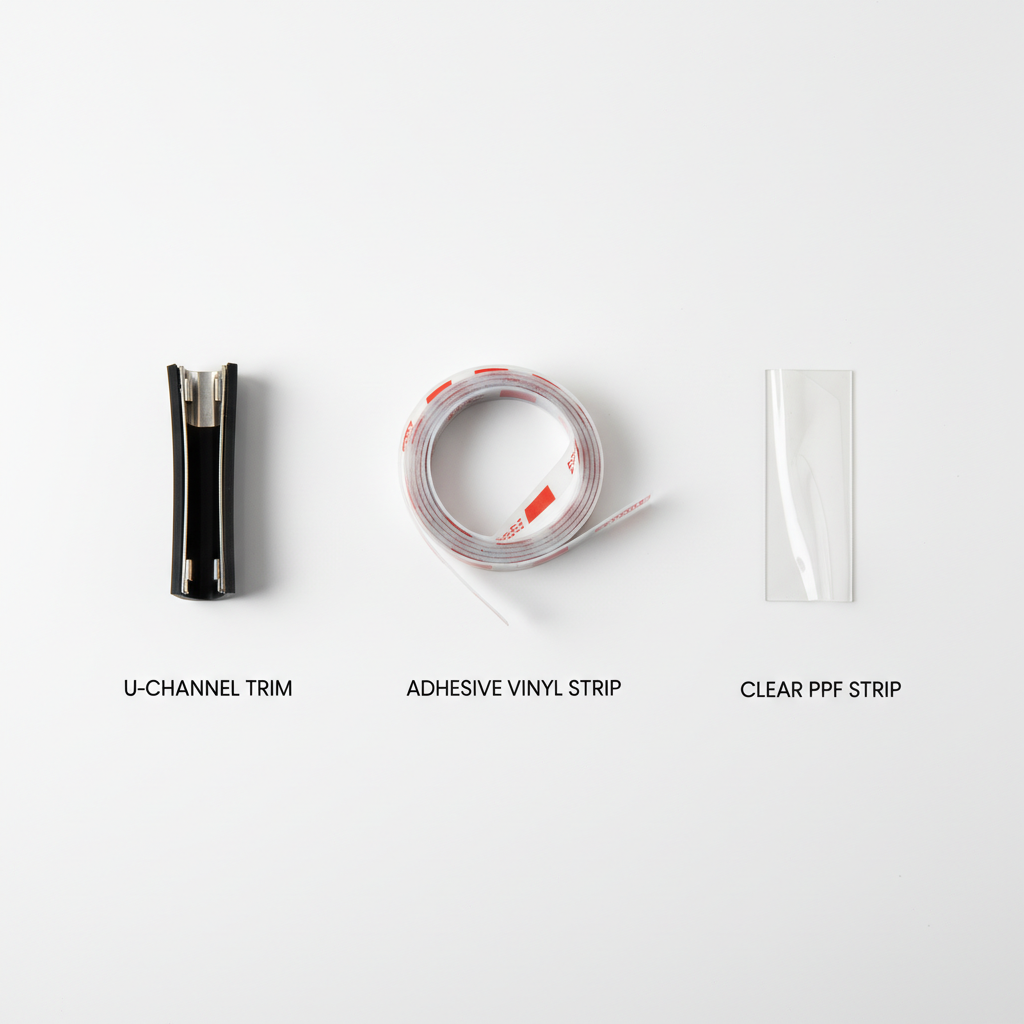
One practical takeaway, if you want the most “set it and forget it” protection, a decent U-channel product is usually the easiest win. If you want the cleanest look, a quality clear film edge strip often blends better, but it won’t soften bigger impacts.
How to tell what you need: a fast self-check
Before you buy, spend two minutes with your car. It prevents the common mistake of buying something pretty that doesn’t match your daily abuse level.
- Parking situation: tight garage, street parking, or crowded lots often justify thicker protection.
- Who uses the car: kids, rideshare passengers, frequent errands usually mean more door edge contact.
- Paint color and fussiness: black and dark blues show everything, so clear PPF-style solutions can feel less annoying.
- Climate: very hot sun can punish weak adhesive, snowy areas make grit and salt more of a concern.
- Car wash habits: if you use automatic washes, avoid guards with edges that can catch and lift.
Rule of thumb: if you already have chips on the edge, your use case probably needs more than a thin tape, unless the damage came from a one-off incident.
What to look for when buying (details that actually matter)
Product listings can be noisy, so here are the factors that tend to separate “looks good on arrival” from a best car door edge guard protector that still looks fine months later.
- Material stability: quality PVC, TPE, or known-name PPF tends to resist yellowing better than bargain-clear plastics.
- Adhesive quality: for stick-on options, look for reputable automotive-grade adhesive claims, vague “strong glue” descriptions are a yellow flag.
- Profile thickness: thicker guards cushion more but may look bulky and can interfere with tight door gaps.
- Color match vs clear: color-matched trims can look factory on some vehicles, but mismatches look worse than clear.
- Length and coverage: measure your door edge length, many kits assume sedans and come up short for SUVs.
- Reviews that mention heat/cold: focus on climate-related feedback, that’s where failures show up.
Also, don’t ignore the “feel” factor. If the guard feels stiff and plasticky, it may not conform well to curves, and that’s where lift and dirt lines start.
Installation that holds up: step-by-step (no drama version)
Most edge guards fail because of prep, not because the idea is bad. Plan for a calm 30–60 minutes, avoid doing this in freezing temps or direct blazing sun if you can.
Prep (this is where you win)
- Wash the door edges, then dry fully, especially along the seam.
- Wipe with isopropyl alcohol on a clean microfiber cloth to remove wax and oils.
- If you recently used spray wax or a ceramic booster, do an extra wipe-down.
Install U-channel trim
- Start at the top rear corner of the door edge, press on gradually.
- Use steady pressure along the edge, don’t “stretch” the material around curves.
- Trim with sharp scissors or a utility blade, leave a clean square end.
- Press again along the full length to seat the internal clips evenly.
Install adhesive vinyl or PPF edge strips
- Dry-fit first, then peel backing slowly, 6–12 inches at a time.
- Keep tension minimal, align once, then squeegee with your thumb or a soft tool.
- For PPF-style film, a light mist solution is sometimes used, follow the kit instructions since film types vary.
- A little warmth helps conforming, but don’t overheat paint, a hair dryer on low from a safe distance is usually enough.
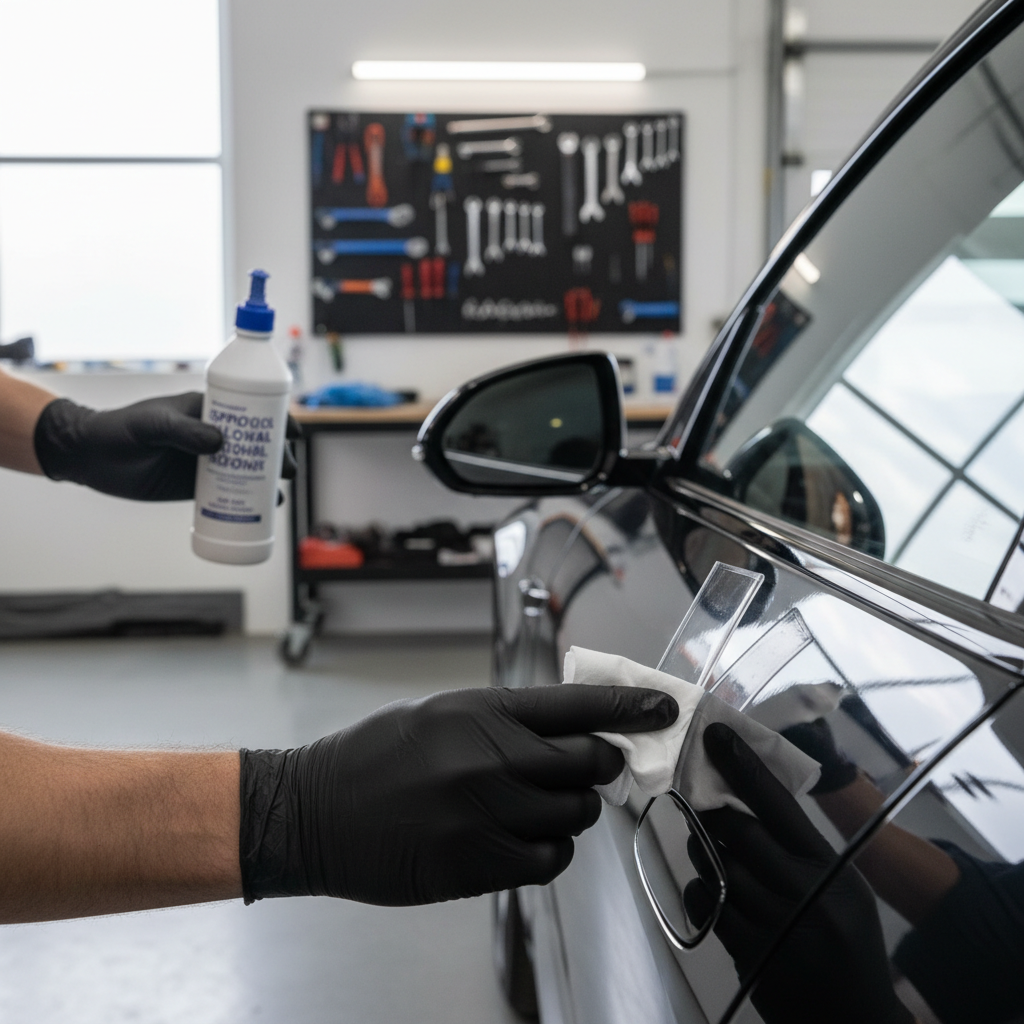
Key point: after installation, avoid washing the car or getting the edges soaked for at least a day if adhesive is involved, many adhesives strengthen over time.
Common mistakes and “looks fine now, fails later” issues
This is the stuff that drives people to leave a one-star review, even though the product might be fine.
- Installing over wax or sealant: it sticks today, lifts next week.
- Choosing extra-thick trim for tight panel gaps: doors may need more force to close, and that can stress the guard.
- Not sealing ends: dirt and water creep in at the cut edge, especially in winter road grime.
- Cheap clear materials in strong sun: yellowing is common, and it stands out on white paint.
- Ignoring grit buildup: some pinch-on guards can hold dirt, periodic cleaning keeps the paint healthier.
If you care about long-term paint health, a quick wipe along the guard during washes helps. It sounds small, but it prevents that “dirty outline” look that makes people rip the guard off.
When it makes sense to get professional help
Most people can install edge guards at home, but there are a few situations where a pro is worth considering.
- You want near-invisible PPF results: detailers who install paint protection film every day tend to avoid stretch marks and lifting edges.
- Your door edges already have rust or deep chips: you may need paint correction first, otherwise you risk trapping moisture under the guard.
- Luxury or complex door geometry: frameless doors and tight tolerances can be less forgiving with thick trim.
If you suspect rust, or paint damage down to bare metal, it’s safer to ask a body shop or trusted detailer what repair approach makes sense for your climate and driving habits.
Conclusion: picking the “best” option for your car
The best car door edge guard protector is the one that matches how your car actually gets used, not the one with the flashiest listing photos. If you want maximum day-to-day protection and don’t mind seeing it, a quality U-channel trim tends to be the straightforward choice. If you care most about a clean look, adhesive vinyl or clear PPF edge strips usually blend better, as long as you prep carefully.
Pick one door to test first, commit to proper cleaning before install, and re-check the ends after a week of driving. That small follow-up catches most early failures before they turn into peeling and grime lines.
Key takeaways
- Prep beats brand: clean, dry, alcohol-wiped edges matter more than people think.
- Match thickness to door gaps: bulky trim can create closing issues on tight panels.
- Clear options look cleaner: but they cushion less than U-channel guards.
- Maintenance is simple: wipe along the guard during washes to prevent grit buildup.