
The best car oil filter wrench set is the one that actually fits your vehicle’s filter, grips without slipping, and still works when your hands are oily and the filter is stubborn.
If you’ve ever rounded a filter, crushed it, or spent 30 minutes fighting in a tight engine bay, you already know why “any wrench” isn’t good enough. Oil filters sit in awkward spots, vary in diameter, and get tighter over time from heat cycles and over-tightening.
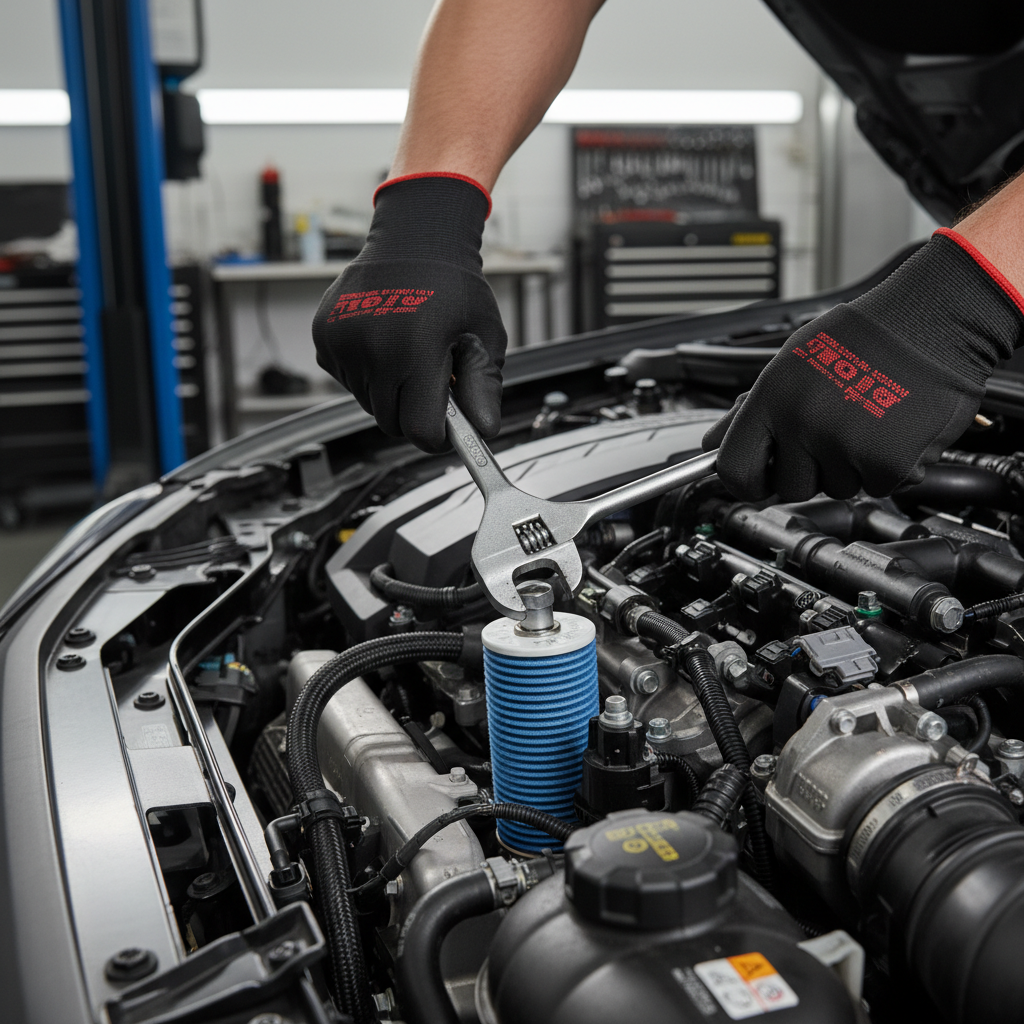
This guide focuses on what matters in 2026: which wrench styles cover the most vehicles, what to look for in a set, and how to use each type without making the job harder. I’ll also call out common buying mistakes that look fine online but disappoint in the garage.
What “Best” Means for an Oil Filter Wrench Set
When people search for the best car oil filter wrench set, they’re usually trying to avoid two things: buying the wrong size, and getting a tool that slips the moment a filter fights back.
In practical terms, “best” usually comes down to four checks:
- Coverage: fits the filter sizes you actually see on your car, truck, or SUV
- Access: works with your engine bay layout, skid plates, and tight clearances
- Grip: bites the filter without rounding, crushing, or camming off
- Drive compatibility: 3/8-inch vs 1/2-inch ratchet, extension use, and torque feel
According to SAE International... oil filter service practices emphasize correct tool use and avoiding damage to components around the filter housing, which is a fancy way of saying the right wrench reduces collateral mess.
Oil Filter Wrench Types (and Where Each One Wins)
Most sets mix a few styles because no single design handles every vehicle layout. Here’s the real-world breakdown.
Cap (Cup) Wrenches
These are vehicle-specific or size-specific cups that fit over the filter end. They’re excellent when you have straight-on access from below or through a splash shield cutout.
- Pros: very secure, low slip, clean torque transfer
- Cons: wrong cup size equals wasted money, not great when filters are recessed at an angle
3-Jaw (Claw) Wrenches
The “universal” option many people start with. A 3-jaw wrench tightens its grip as you turn, which can be a lifesaver on a stuck filter, especially when the filter’s sides are already beat up.
- Pros: broad coverage, strong bite on stubborn filters
- Cons: can crush thin filters, needs clearance around the filter body
Strap or Band Wrenches
Great when you have room to wrap the filter and pull, and you want a gentler grip. Some sets include a metal band wrench; others include a rubber strap.
- Pros: less likely to puncture, good for smooth-sided filters
- Cons: cheap straps stretch and slip, awkward in cramped engine bays
Pliers-Style Filter Wrenches
If access is from the top and you can get two hands in, filter pliers are surprisingly effective. The better ones have aggressive teeth and long handles for leverage.
- Pros: fast, intuitive, good for top-side service
- Cons: easy to crush filters, can be blocked by hoses and wiring
Quick Fit Checklist: Buy the Set That Matches Your Car
Before you decide what’s “best,” do a 2-minute check. This saves you from buying a set that’s impressive on paper and useless on your vehicle.
- Filter location: can you approach from below, above, or only from the side?
- Clearance: is there open space around the filter body for a claw/pliers, or is it recessed?
- Filter size range: look up your filter part number, then note diameter and flute style if applicable
- Housing vs spin-on: cartridge filter housings often need a specific cap socket, not a strap
- Drive tools you own: 3/8-inch ratchet with extensions covers most DIY situations, 1/2-inch helps on stubborn trucks
If you maintain multiple vehicles, a “combo” kit with a claw plus several cups often beats an all-cup set. If you only service one vehicle, a high-quality cup that matches your filter can feel like cheating.
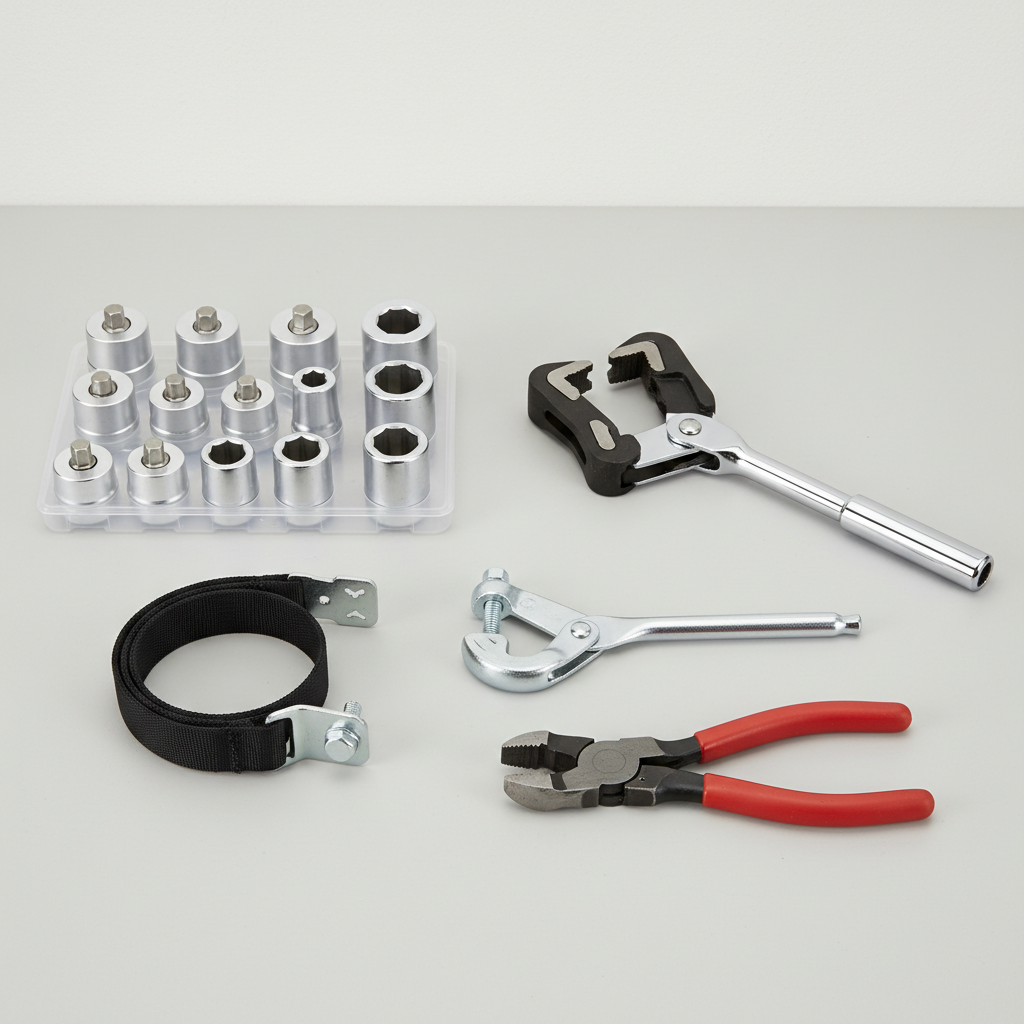
What to Look for in a “Best Oil Filter Wrench Set” (2026 Buying Criteria)
Marketing will push “universal,” “heavy-duty,” and huge piece counts. In practice, these details matter more.
- Material and build: thicker stamped steel and solid cast/forged parts tend to twist less under load
- Tooth design: sharper, well-machined jaws grip with less slip than rounded, polished teeth
- Cup depth and fit: deeper cups engage better, especially on filters with shallow end features
- Drive options: cups with both 3/8-inch and 1/2-inch drive (or a hex) give flexibility
- Range that makes sense: you want coverage of common diameters, not random sizes to inflate the kit
- Case quality: not glamorous, but a decent organizer prevents missing pieces and speeds up the next change
A practical “set” formula that usually works
For many US garages, a strong baseline looks like: one 3-jaw claw (for emergencies) plus 3–6 cups that match the vehicles you actually touch, with a spot in the case for your extension.
Comparison Table: Matching Wrench Type to Your Situation
Use this table to decide which style you should prioritize when shopping for the best car oil filter wrench set.
| Wrench type | Best for | Access needed | Slip risk | Common downside |
|---|---|---|---|---|
| Cap/Cup | Routine changes, consistent filter size | Straight-on | Low | Must match size/flutes |
| 3-jaw claw | Stuck filters, beat-up filter bodies | Space around filter | Medium-Low | May crush thin filters |
| Strap/Band | Smooth filters, gentle removal | Room to wrap and pull | Medium | Cheap straps slip |
| Pliers | Top-side access, quick removal | Hand clearance | Medium | Can deform filter fast |
How to Use Each Wrench Style Without Making a Mess
This is where most frustration comes from: the tool is “fine,” but the approach creates slip, spills, and damaged parts. A few habits change the whole job.
Cap/Cup method (most controlled)
- Clean the filter end so the cup sits fully, oil film can let it walk off.
- Use a short extension to keep your ratchet aligned, angled torque can strip the cup engagement.
- Break it loose, then spin off by hand with a rag.
3-jaw claw method (for stubborn filters)
- Center the claw square to the filter, off-center setups slip more often than people expect.
- Apply slow pressure, fast jerks usually collapse the can before it turns.
- Once it moves, stop and switch to hand removal, continuing with the claw can tear the shell.
Strap/band method (good leverage, easy to misuse)
- Wrap the strap as low on the filter as access allows, near the base it has less flex.
- Pull in a smooth arc, not a straight yank that twists the strap off.
- If the strap glazes and slips, wipe the filter dry and retry, oil on the surface reduces friction.
Pliers method (fast but watch your bite)
- Grip the filter firmly, then increase pressure only when it starts to slip.
- Keep the jaws perpendicular, diagonal bites fold the can.
- Protect nearby hoses and wire looms, a sudden release can smack them.
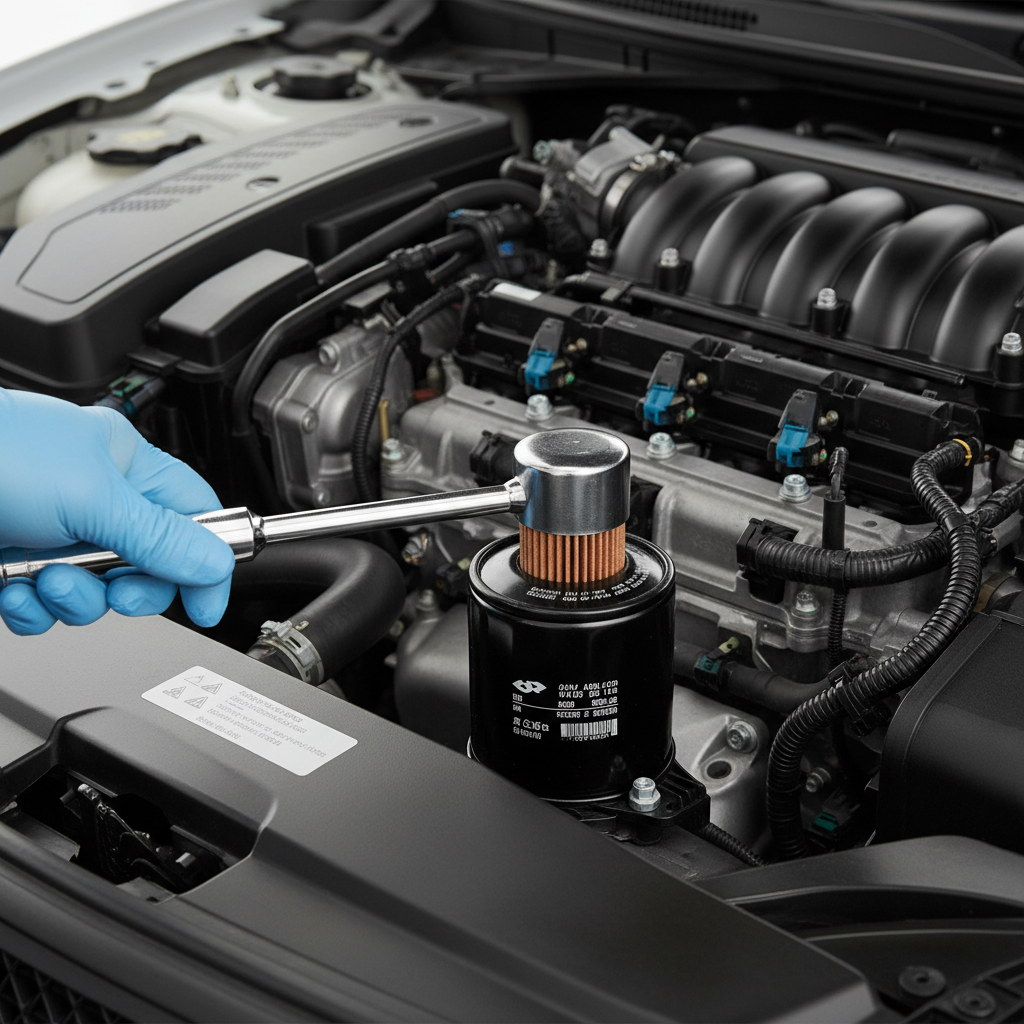
Common Mistakes That Make Oil Filters “Impossible”
People blame the wrench, but a few patterns cause most disasters.
- Over-tightening the new filter: many spin-on filters only need to be snug plus a fraction of a turn, check your filter instructions and vehicle service guidance.
- Skipping the gasket oil: a dry gasket can bind and stick, then the next change turns ugly.
- Using the wrong cup style: some cups are flute-specific, close isn’t close when the fit is shallow.
- Turning at an angle: side-load makes cups slip and claws walk off.
- Going straight to brute force: crushing the filter can reduce grip surface and create leaks and debris.
According to National Highway Traffic Safety Administration (NHTSA)... proper vehicle maintenance reduces the chance of roadside issues; while they don’t “rank wrenches,” they do reinforce that correct procedures matter as much as parts.
When You Should Stop DIY and Get Help
Most stuck filters come off with patience and the right tool, but a few situations justify handing it to a shop, especially if you’re working on jack stands or a cramped driveway.
- The filter housing or mounting boss looks damaged, cross-threaded, or cracked.
- You see oil leaking from a place that isn’t the filter gasket line, which can signal a bigger issue.
- The filter can tears open and you can’t get a remaining ring to budge, metal-on-metal removal risks engine damage.
- You can’t safely access the filter without stressing hoses, wiring, or hot components.
If safety feels marginal, it probably is. A professional mechanic can also confirm whether you have a cartridge housing that needs a specific socket, which is a common “wrong tool” moment.
Conclusion: A Smart 2026 Pick for Most Garages
The best car oil filter wrench set usually isn’t the biggest kit, it’s the one that matches your filter style and access angle, with a cup option for clean routine work and a claw option for the day something gets stuck. If you’re buying for one vehicle, prioritize exact fit; if you’re buying for a household fleet, prioritize coverage and organization.
Action steps: look up your current filter part number, confirm diameter and end style, then choose a set that includes that cup size plus one “backup” universal tool you can actually fit in your engine bay.