
The best car seat belt pad cover is the one that stops neck and collarbone rubbing without interfering with how your seat belt sits across your body, and that “without interfering” part matters more than most people think.
A lot of pads feel great in your hand, then slide around, bunch up near your shoulder, or add bulk right where the belt should lie flat. If you drive daily, share cars with family, or have a kid in a booster seat, those little annoyances show up fast.
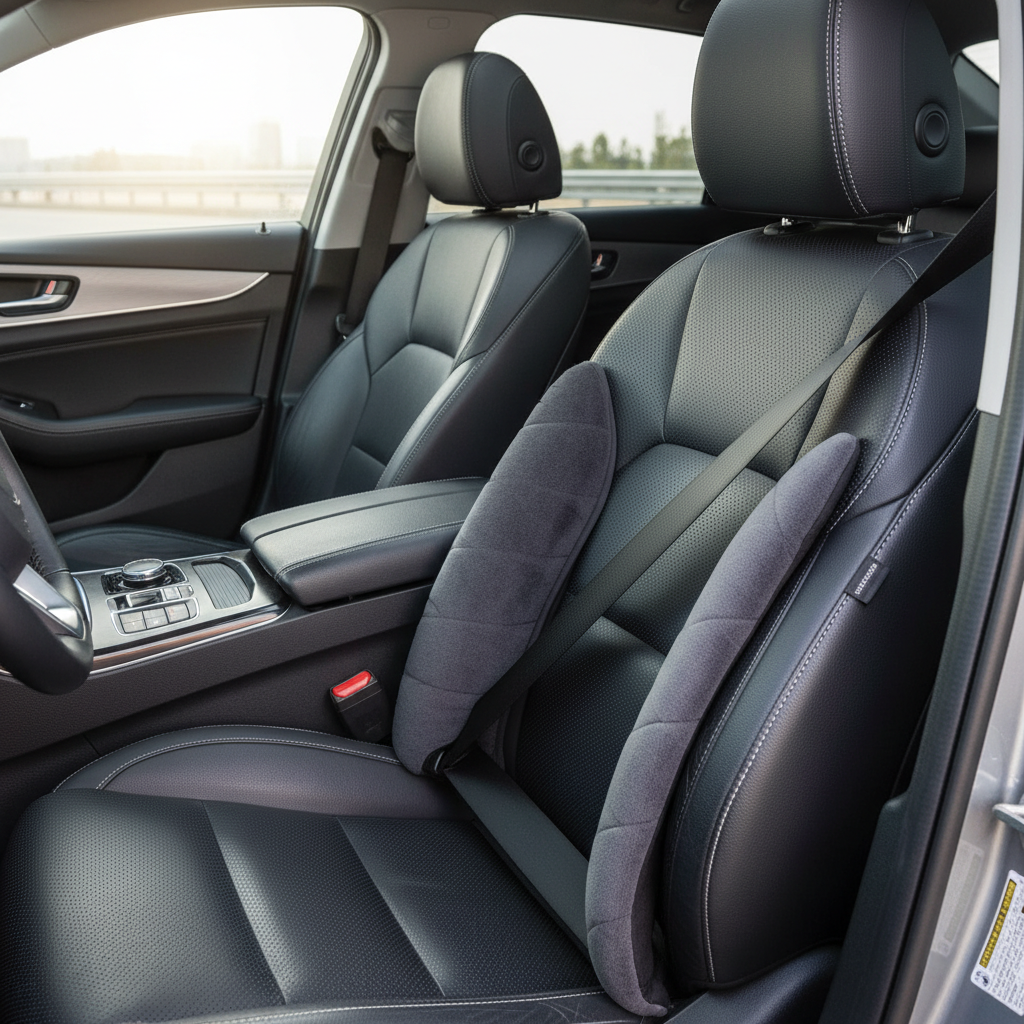
This guide focuses on what actually changes comfort, what typically causes slipping, and how to choose a pad that works for adults, kids, sensitive skin, winter coats, and long commutes. I’ll also call out a few “sounds smart, works poorly” traps that show up in a lot of listings.
What a Seat Belt Pad Cover Can and Can’t Do
A pad cover is basically a comfort sleeve that wraps around the shoulder belt to reduce pressure points and friction. Done right, it makes the belt feel smoother against skin, seat-belt rub less annoying, and long drives less fatiguing.
What it can’t do is fix poor belt geometry. If the belt crosses your neck because your seat height is off, or the shoulder anchor is set wrong, a thicker pad might mask the issue while the belt still sits in the wrong place.
According to the National Highway Traffic Safety Administration (NHTSA), seat belts work best when the lap belt sits across the upper thighs and the shoulder belt crosses the middle of the chest and shoulder. A pad should support comfort while keeping that fit as close to ideal as possible.
Why Seat Belts Rub (Real-World Causes)
Seat belt irritation usually comes down to a few repeatable patterns, and it’s often more about setup than “sensitive skin.” Here are the common ones.
- Belt position is too close to the neck: shoulder anchor too high/low, seat too low, or short torso fit issues.
- Clothing friction: collars, rough fabrics, or seams that catch the belt during steering and shoulder checks.
- Long drives + heat: perspiration plus constant micro-movement can create chafing quickly.
- Posture and driving habits: leaning toward the wheel, one-hand driving, or angled seating changes belt contact points.
- Kids in booster seats: the belt may not route smoothly if the booster or belt guide isn’t a great match.
For many shoppers, the best car seat belt pad cover ends up being a “stay-put” design, not the plushest design, because sliding is what brings the rubbing right back.
Quick Self-Check: Which Pad Style Fits Your Situation?
Before you buy, take 30 seconds and match your situation to the pad features that usually help.
- If the belt touches your neck: you likely need a low-bulk pad plus a fit adjustment at the shoulder anchor, not a thick pillow-style cover.
- If you get collarbone pressure: look for wider pads that spread load over more surface area.
- If pads keep sliding: prioritize strong closures and a grippy inner lining.
- If you share the car: a pad with easy on/off (Velcro wrap) matters more than a “permanent” sleeve.
- If you have sensory sensitivity: go for soft, seam-minimized fabrics and avoid scratchy embroidery.
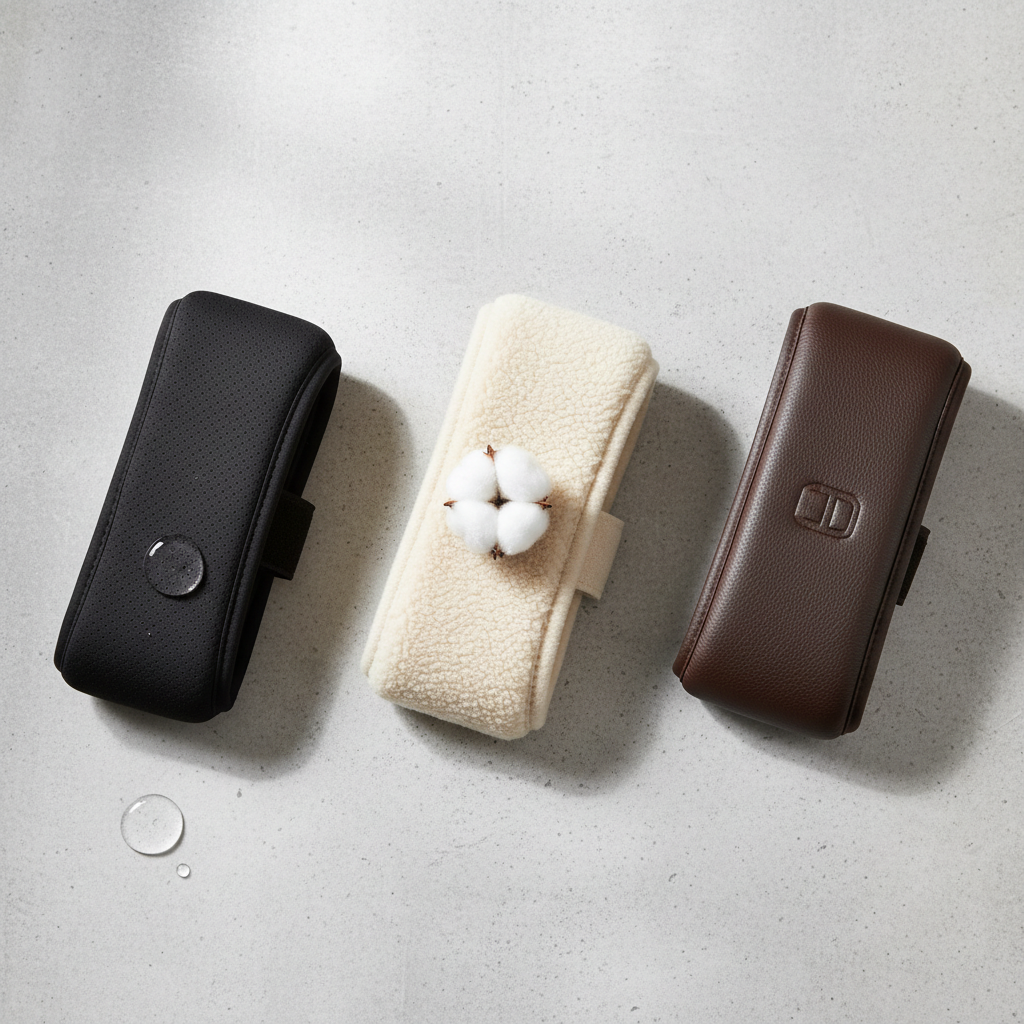
What to Look For in the Best Car Seat Belt Pad Cover (2026 Buyer Criteria)
Listings love to shout “universal fit,” but comfort and stability usually come from a few concrete build details.
Material choice (comfort vs heat vs durability)
- Neoprene: durable, easy to wipe down, can feel warm in summer.
- Fleece / plush fabrics: very soft, tends to trap lint and heat, can pill over time.
- Microfiber: smooth feel, usually less sweaty than thick plush, varies by weave.
- Leather / faux leather: sleek look, easy cleaning, may feel slippery or stiff at first.
- Sheepskin-style: cozy, bulkier, best for cold climates or long trips where warmth is a plus.
Closure and anti-slip design
- Full-length Velcro wrap: easiest to position correctly, easiest to remove for washing.
- Zipper: can look tidy, but some designs create a hard edge you may feel on the shoulder.
- Slip-on sleeve: clean appearance, but often the worst for sliding unless it’s very snug.
Size and “bulk control”
Wider isn’t always better. If a pad is too thick, it can push the belt away from your body and feel like it’s floating, especially in smaller cars or with shorter torsos. Many people land in the “medium width, low-to-medium thickness” zone for daily driving.
Comparison Table: Common Pad Types and Who They’re For
Use this as a fast filter when you’re browsing and everything looks identical.
| Type | Best for | Pros | Watch-outs |
|---|---|---|---|
| Low-bulk neoprene wrap | Daily commuters, rideshare drivers | Stays put, easy cleaning | Can feel warm, “sporty” look |
| Plush fleece wrap | Sensitive skin, winter comfort | Soft feel, cozy | Heat buildup, lint/pilling |
| Microfiber comfort wrap | All-season, balanced feel | Smooth, usually breathable | Quality varies by brand |
| Faux leather / leather cover | Style-focused interiors | Wipes clean, premium look | May be slippery, can crease |
| Extra-wide “pillow” pad | Collarbone pressure relief | Spreads pressure well | Can add too much bulk, more sliding risk |
How to Install and Position It So It Actually Works
The best car seat belt pad cover can still feel wrong if it sits in the wrong spot. The goal is simple: add softness at the contact point while keeping the belt flat.
- Start with your normal driving posture, then buckle up.
- Slide the pad to the contact zone on your shoulder or collarbone, not up near your neck.
- Close it firmly so it doesn’t rotate around the belt with each steering adjustment.
- Check belt lay: the belt should still cross the center of your chest and shoulder, without twisting.
- Test movement: turn your head, check mirrors, mimic a lane change; if it shifts, reposition tighter or pick a grippier design.
If the belt consistently rides your neck, try adjusting the shoulder anchor height (many vehicles allow this) before chasing thicker pads. If you’re unsure, your vehicle manual usually explains the correct range.

Mistakes That Make Pads Uncomfortable (or Less Safe)
Some mistakes are just annoying, others potentially change how the belt loads your body. Keep these in mind when picking and using a cover.
- Using a pad to “fix” a bad belt route: if geometry is off, adjust the seat, anchor, or booster setup first.
- Choosing too much thickness: it can cause the belt to sit farther from the shoulder and shift during driving.
- Letting it sit on the neck: the pad may feel soft, but it trains the belt position even closer to the neck.
- Ignoring closure quality: weak Velcro creates constant sliding, which defeats the point.
- Skipping cleaning: sweat and skin oils build up and make “soft” materials feel itchy over time.
According to the Centers for Disease Control and Prevention (CDC), seat belts reduce serious crash-related injuries and deaths. Comfort accessories should support consistent belt use, but it’s smart to avoid anything that encourages poor belt positioning.
Practical Picks: How to Choose for Your Use Case (Without Overthinking)
If you’re shopping in 2026, most options fall into similar price bands, so decision quality comes from matching the pad to your actual routine.
- Long commute, hot climate: microfiber or low-bulk neoprene, avoid heavy plush.
- Short trips, lots of in/out: full-length Velcro wrap that repositions quickly.
- Kids in booster seats: slimmer wrap that doesn’t interfere with the belt guide, and check routing each ride.
- Sensitive skin or post-surgery discomfort: seam-minimized plush or microfiber, and consider asking a clinician if you have medical restrictions.
- Fleet or rideshare: wipe-clean material, darker colors, strong stitching at closure edges.
Key takeaway: a stable, low-bulk pad often beats an ultra-soft pad that moves around. Comfort that lasts is mostly about staying in the right spot.
When to Ask for Professional Help (Fit and Safety)
If you can’t get a comfortable belt fit even after adjusting the shoulder anchor, seat height, and pad placement, it might be time to ask for help rather than stacking accessories.
- For child passengers: a certified Child Passenger Safety Technician can check booster fit and belt routing, since small changes can matter a lot.
- After injury or surgery: discomfort may have a medical component, so asking a clinician is sensible.
- If the belt won’t retract smoothly after adding a cover: remove the accessory and inspect, then consult a qualified mechanic if needed.
Conclusion: The “Best” Pad Is the One You’ll Keep Using Correctly
Choosing the best car seat belt pad cover for 2026 is less about chasing the fluffiest fabric and more about getting a pad that stays put, keeps the belt lying flat, and matches your climate and routine. If you do one thing today, adjust your belt anchor and seat posture first, then buy a low-bulk, strong-closure pad that supports that fit.
If your current pad slides, treat that as your cue to switch styles, not as something you need to “live with,” because the right cover should disappear once it’s installed.