
Best car seat belt pad for shoulder comfort searches usually come from one very specific problem: the belt does its job, but your shoulder pays for it with rubbing, pressure, or that pinching feeling on longer drives.
A good pad can help, but only if it fits your body, your belt path, and your daily use, because a “soft” pad that slides around or changes belt placement can create new issues you didn’t sign up for.
Below is a practical guide to choosing the right type, spotting the common mismatch problems, and installing it so it stays put without fighting the seat belt’s purpose.
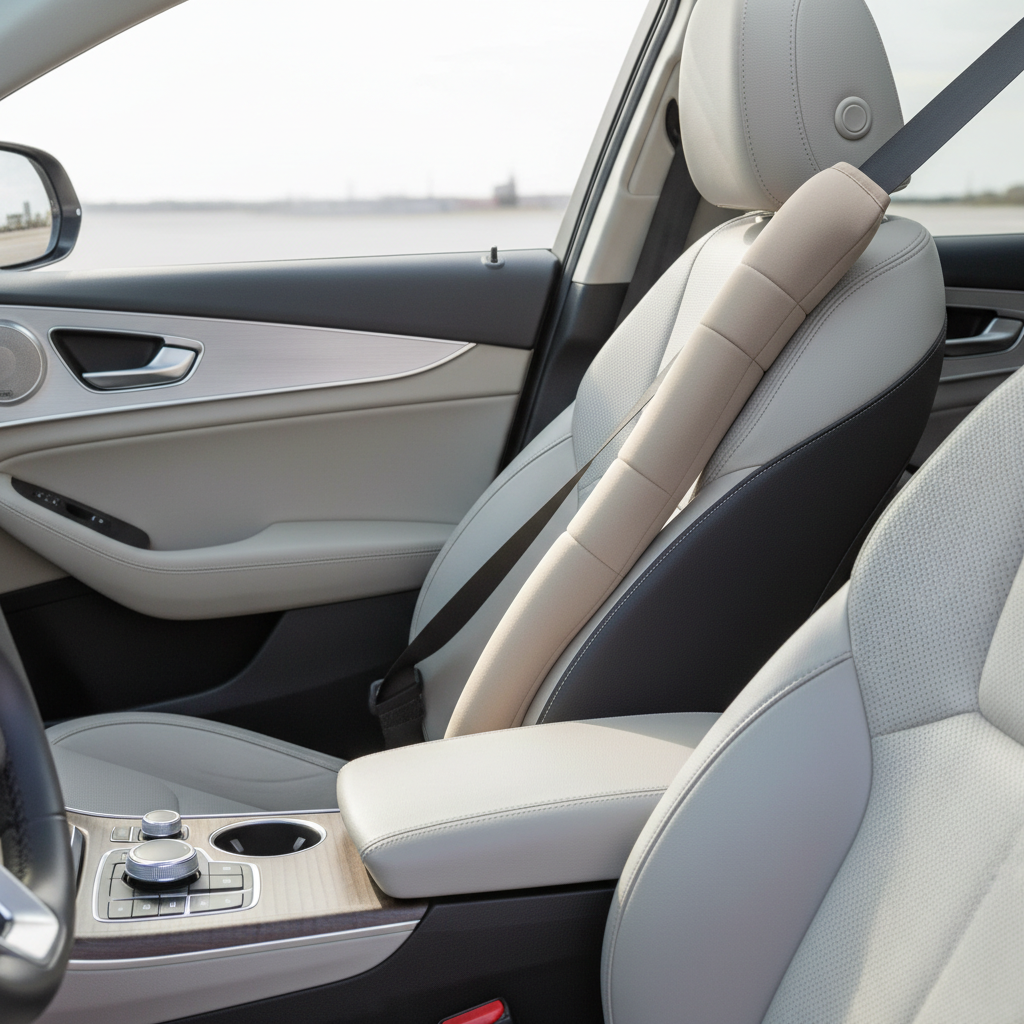
Why seat belts hurt your shoulder (and why pads sometimes fail)
When a shoulder belt feels uncomfortable, the pad is rarely the first “root cause.” Most of the time it’s a belt geometry issue, a clothing/skin friction issue, or a mismatch between belt height and your torso length.
- Wrong belt height: If the shoulder anchor sits too high or too low, the belt can cut into your neck or pull across the outer shoulder.
- Seat position and posture: Sitting too close to the wheel often increases belt angle and pressure, especially on smaller frames.
- Friction and heat: Summer tank tops, sensitive skin, or textured fabrics can make rubbing feel worse, even if pressure is mild.
- Medical or sensitivity factors: Post-surgery tenderness, clavicle irritation, or nerve sensitivity can make “normal” belt pressure feel sharp. If pain persists, it may be worth asking a clinician.
Why pads fail: many are too bulky, too slippery, or positioned so they push the belt off the collarbone and toward the neck, which defeats the whole point.
Quick self-check: what kind of comfort problem do you have?
Before buying anything, do a 60‑second check. This helps you pick the best car seat belt pad for shoulder comfort for your situation, not someone else’s.
- Rubbing/redness on skin (mostly friction): You’ll usually do best with a soft, low-profile fabric that reduces chafe.
- Deep pressure on collarbone (mostly load concentration): Look for slightly thicker padding and a design that spreads pressure without moving the belt.
- Belt hits neck (geometry): A pad alone might not fix this; you may need to adjust the shoulder anchor height or seat position first.
- Pad slides or rotates: You need better closure (Velcro that grips), a non-slip lining, or a narrower pad that wraps tighter.
- Child/booster use: Extra caution—pads can change how belts sit. When in doubt, follow the car seat/booster maker guidance.
What to look for in the best car seat belt pad for shoulder comfort
Comfort is obvious, but the “best” option usually nails three things at once: it stays in place, it feels good against your skin, and it doesn’t encourage bad belt positioning.
Material and feel
- Microfiber or fleece: Comfortable against skin, good for friction problems, can run warm in hot climates.
- Neoprene-like foam: More structure, often better for pressure distribution, but bulk varies a lot by brand.
- Breathable mesh: Helpful if you sweat easily, though not always as “cushy.”
Thickness and profile
More padding isn’t always better. Ultra-thick pads can twist the belt or make it feel “floaty” on your shoulder, which tends to cause constant readjusting.
Closure and grip
- Velcro wrap: Easiest to install and reposition, but look for stitching quality and strong hook/loop.
- Zipper sleeves: Clean look and often stable, but less adjustable for exact placement.
- Non-slip interior: A big deal if your pad creeps toward your neck during driving.
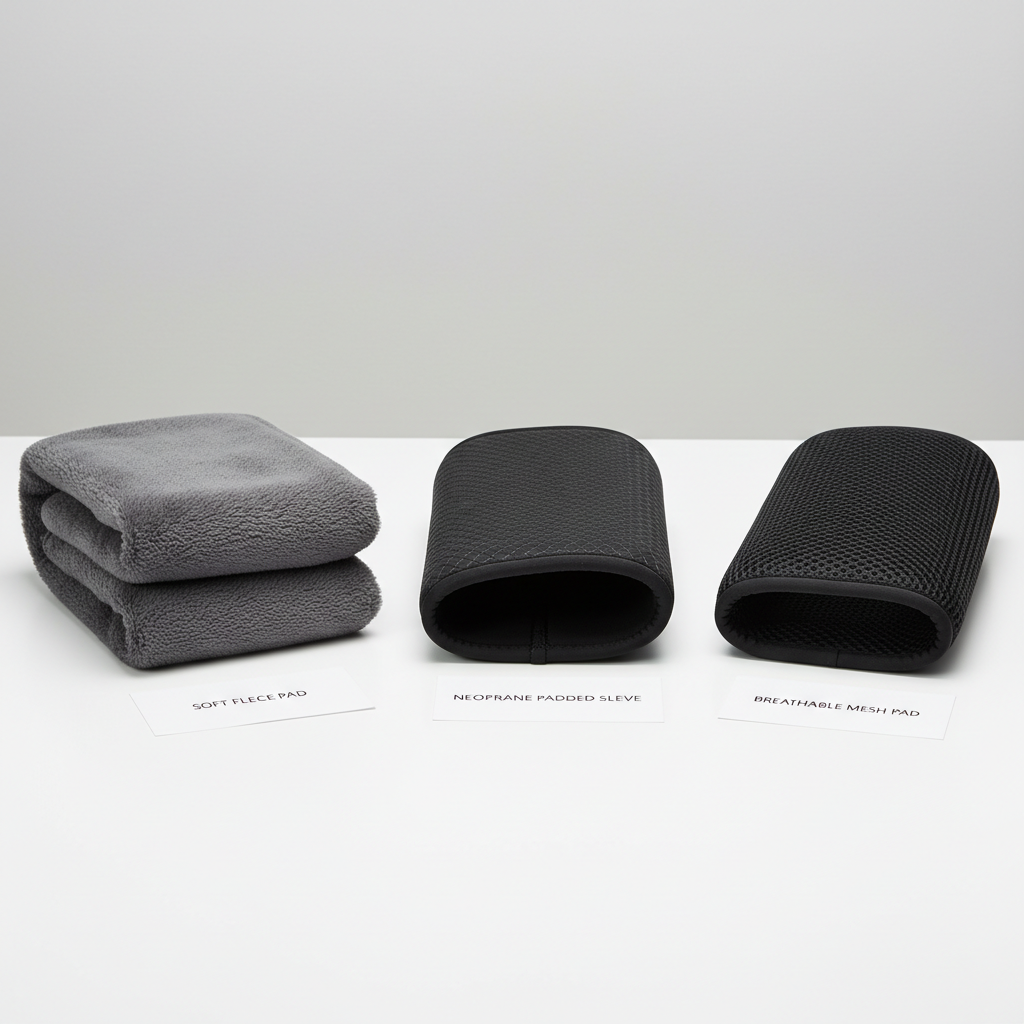
Comparison table: match pad type to your most common scenario
If you’re stuck between a couple styles, this quick matrix tends to clarify what’s worth trying first.
| Scenario | What usually works | What to avoid |
|---|---|---|
| Skin irritation or chafing | Low-profile fleece/microfiber sleeve | Rough seams, bulky foam edges |
| Collarbone pressure on long drives | Moderate-thickness foam or structured padding | Very thick pads that shift belt position |
| Belt rubs neck | Anchor height/seat adjustment first, then a slim pad | Adding thickness without fixing geometry |
| Pad keeps sliding | Strong Velcro wrap + non-slip lining | Slick fabric with weak closure |
| Hot climate commuting | Breathable mesh or moisture-wicking fabric | Heavy fleece if you overheat easily |
How to install a seat belt pad so it stays comfortable and safe
A pad should make the belt feel more tolerable, not change where the belt rides. According to NHTSA, a seat belt works best when the shoulder belt lies across the middle of your chest and shoulder, not your neck.
Practical placement that works for most adults
- Sit normally, buckle up, and let the belt retract naturally.
- Place the pad so the softest section sits on the spot that rubs, usually the top of the shoulder or collarbone edge.
- Check that the belt still lies flat across your chest, without twisting.
- Drive for 5–10 minutes, then re-check position, many pads “walk” after a few turns.
If your belt hits your neck
Try adjusting the shoulder anchor (many cars have height settings) and slightly changing seatback angle before relying on padding. If the belt placement still looks off, a pad might only mask the symptom.

Common mistakes that make shoulder discomfort worse
- Putting the pad too high: It can push the belt toward your neck, which is exactly what most people are trying to avoid.
- Choosing “pillow thick” pads: They feel great in your hand, then slide and roll during real driving.
- Ignoring seam placement: A single raised seam can become the new pressure point after an hour.
- Using add-ons that change belt routing: Some clips or positioners can pull the belt away from its intended path; this can be risky and may conflict with manufacturer guidance.
- Not cleaning it: Skin oils and dust reduce grip, and irritation gets worse when fabric stays gritty.
Key takeaways + a simple “buying shortlist”
If you want a quick way to shop without overthinking it, use this shortlist and you’ll avoid most regret purchases.
- Start slim if your main issue is rubbing, then move up in thickness only if pressure stays.
- Prioritize stay-put design: strong closure, grippy interior, no rotating around the belt.
- Check belt geometry first if the belt touches your neck, a pad alone often won’t solve that.
- Test during real driving, not just in the driveway, because turns and reaching for controls reveal sliding.
When you match pad style to the exact discomfort pattern, the best car seat belt pad for shoulder comfort feels almost boring, you stop thinking about it, which is the real win.
If you’re shopping today, pick one pad that solves your biggest issue (friction vs pressure), install it carefully, and give it a week. Comfort trends show up quickly once you stop constantly repositioning.
FAQ
What is the best car seat belt pad for shoulder comfort for long road trips?
For long drives, moderate thickness plus a stable wrap usually works better than ultra-plush padding. Look for a sleeve that doesn’t rotate, because small shifts become annoying after an hour.
Will a seat belt pad make the belt less safe?
It depends on the design and placement. A slim pad that doesn’t change belt routing is generally less problematic than devices that pull the belt away from your chest; if you’re unsure, follow vehicle and restraint manufacturer guidance.
Why does my seat belt rub my neck even with a pad?
This is often a belt height or seating position issue. Adjust the shoulder anchor (if available), raise/lower the seat, and check posture; padding can reduce friction, but it can’t fully fix a poor belt angle.
Is fleece or neoprene better for shoulder pain?
Fleece tends to help with chafing and sensitive skin. Neoprene-style foam often spreads pressure better, but can feel bulkier; your best choice depends on whether your discomfort feels like rubbing or load pressure.
Can I use a seat belt pad with a child car seat or booster?
Be careful here. Some accessories can interfere with proper fit; it’s smarter to check the child restraint manual and, if needed, ask a certified Child Passenger Safety Technician for guidance.
How do I keep a seat belt pad from sliding down?
Choose a wrap with strong Velcro and a non-slip inner surface, then position it after you buckle so the belt tension holds it in place. If it still creeps, the pad may be too wide or too slick.
Can shoulder belt discomfort be a medical issue?
Sometimes. If you have persistent pain, numbness, or pain after surgery or injury, a pad may help comfort, but it’s reasonable to consult a healthcare professional to rule out something that needs treatment.
If you’re trying to make daily commuting less annoying, or you want a more predictable fit without trial-and-error, consider choosing one seat belt pad style that matches your discomfort type and testing it with proper belt positioning rather than chasing the thickest cushion.