
best car emergency kit with jumper cables and tools is the kind of purchase you only appreciate when you’re stuck on the shoulder, it’s dark, your phone battery is sliding toward 5%, and you just want one thing, a kit that works without drama.
Most “all-in-one” kits look impressive online, but in real use the weak points show fast, cheap jumper cables that run hot, a flashlight that dies in the cold, tools that round off bolts, or a bag so small nothing fits back inside.
This guide focuses on what matters in the U.S. driving context, battery jump reliability, basic roadside fixes, visibility, and how to size the kit for your car and your risk level. I’ll also flag common traps, so you don’t pay for filler items you’ll never use.
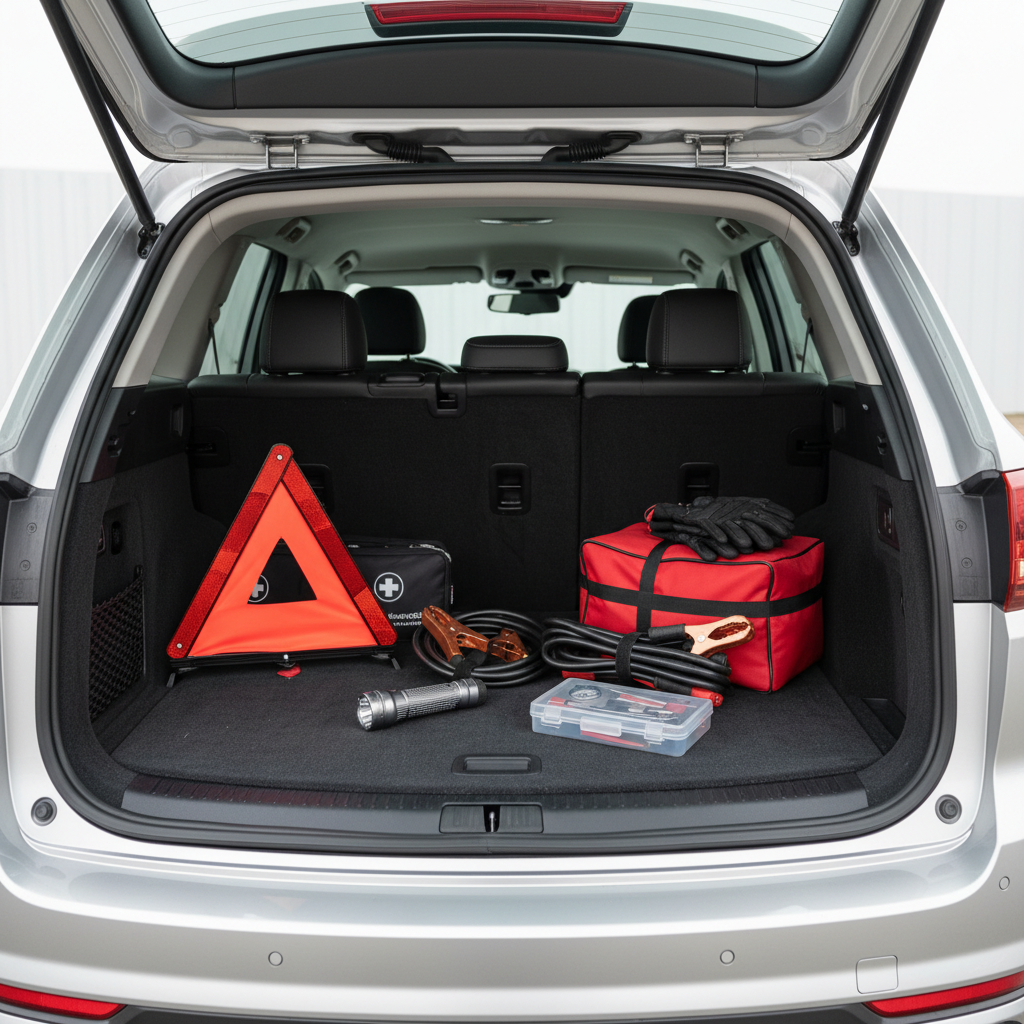
What “Best” Really Means for a Car Emergency Kit
“Best” usually doesn’t mean “most items,” it means you can solve the most likely roadside problems quickly, with gear that won’t fail under stress. In many cases, the kit should cover three categories, restart the car, stay visible and safe, and handle simple fixes.
- Restart capability: jumper cables that match your engine size, plus a backup plan like a jump starter or at least a phone charger.
- Safety and visibility: reflective triangles/flares, reflective vest, gloves, and a bright light you can aim hands-free.
- Simple repairs: tire inflation and sealant strategy, basic tools, and supplies for minor electrical or hose issues.
According to NHTSA, staying alert and visible around traffic is a major safety priority during roadside incidents, so visibility gear is not “extra,” it’s part of what makes a kit genuinely useful.
Core Components: Jumper Cables, Tools, and the “Not Optional” Extras
If you’re comparing the best car emergency kit with jumper cables and tools, start with the pieces that decide whether the kit saves you time or wastes it.
Jumper cables: what to check before you buy
- Cable gauge (thickness): for many drivers, 4-gauge or 6-gauge is a safer bet than thin bargain cables. Larger engines and cold weather typically demand thicker cable.
- Length: about 12–20 feet tends to be practical, shorter can force awkward car positioning.
- Clamp quality: look for strong springs and teeth that bite, flimsy clamps slip at the worst time.
- Insulation and flexibility: stiff cables are frustrating in winter, flexible insulation helps.
Tools: prioritize usable, not “included”
- Multi-bit screwdriver plus Phillips and flat bits that don’t strip easily
- Pliers that actually grip, not tiny novelty ones
- Adjustable wrench for battery terminals and small roadside tasks
- Utility knife and scissors for tape, zip ties, packaging
- Electrical tape and zip ties for temporary cable management
Extras that earn their space
- Flashlight or headlamp with fresh batteries, headlamp keeps both hands free
- Reflective triangles or LED flares instead of relying only on hazard lights
- Work gloves and a compact rain poncho, because weather rarely cooperates
- 12V USB car charger and a backup cable for your phone
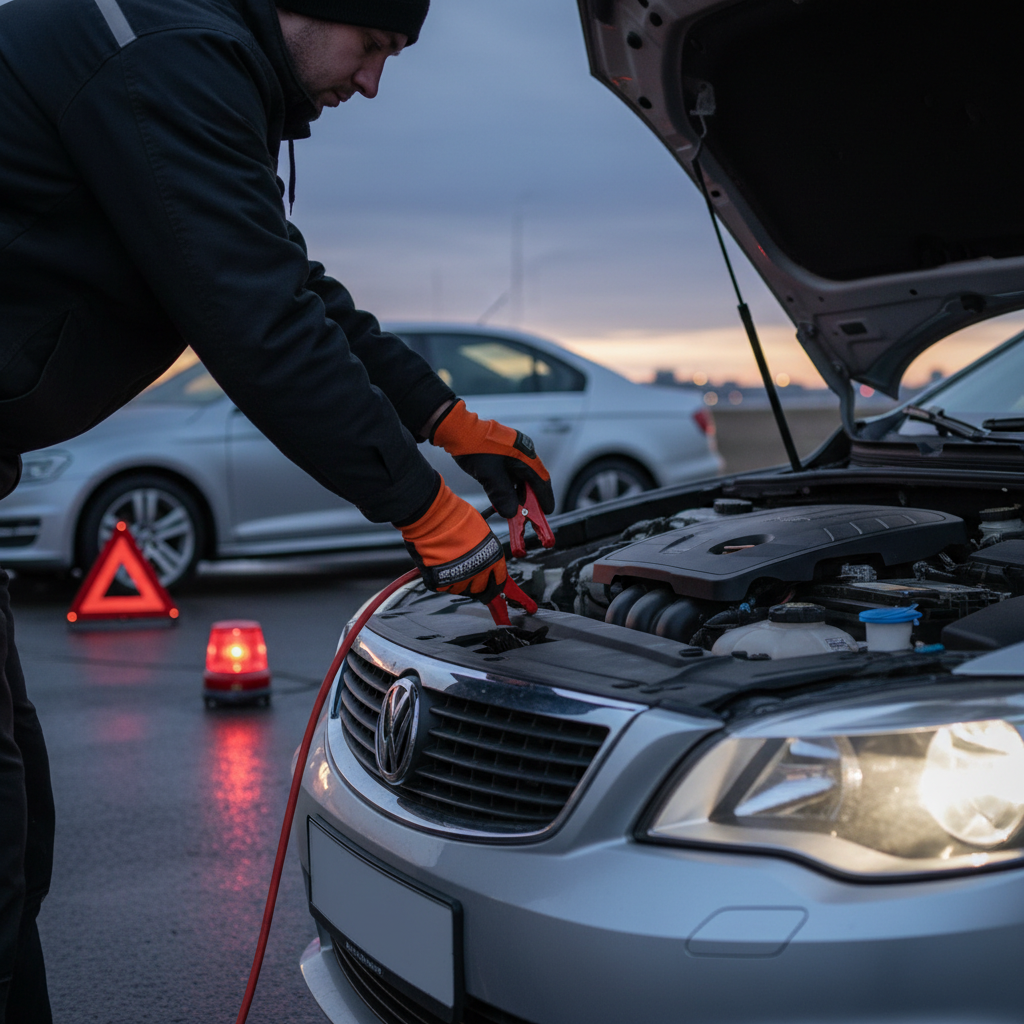
Quick Self-Check: Which Kit Level Fits Your Driving?
Not everyone needs the same setup. If you pick the kit that matches your routine, you spend less and you use it more confidently.
- Mostly city driving, newer car: focus on visibility, phone power, basic tools, and decent cables.
- Commute highway miles: add better lighting, triangles, tire inflation, and a more robust tool set.
- Cold weather or older battery: prioritize thicker jumper cables and consider a jump starter as backup.
- Rural roads, long distances: add emergency blanket, more water, and a stronger first aid kit.
If you’re not sure, a good rule is to build for the scenario that would be most stressful for you personally, night, cold, with poor cell signal.
Comparison Table: What to Look For When Shopping
Here’s a practical way to compare kits without getting distracted by “bonus” items.
| Category | Good | Better | Skip / Red flag |
|---|---|---|---|
| Jumper cables | 6-gauge, 12 ft, solid clamps | 4-gauge, 16–20 ft, strong copper clamps | 10–12 gauge, short length, weak clamp spring |
| Lighting | Flashlight 200+ lumens | Headlamp + flashlight, spare batteries | Dim “keychain light” as primary |
| Visibility | 1 warning triangle | 2–3 triangles or LED flares + vest | Only a reflective sticker |
| Tools | Screwdriver, pliers, adjustable wrench | Add tire gauge, duct tape, zip ties | Tiny soft metal tools, “mini” everything |
| Tire support | Sealant + gauge | 12V inflator + plug kit (if you know how) | Inflator with flimsy hose, no gauge |
How to Use the Kit: Real-World Steps That Reduce Stress
Gear is only half the win, the other half is a simple routine you can follow when you’re tired or rattled. Keep it boring and repeatable.
Jump-starting with cables (safe sequence)
Follow your vehicle manual when possible, some cars have specific jump points. If anything looks damaged or leaking, it may be safer to call for help.
- Park both cars safely, hazards on, set parking brakes, keep vehicles from touching.
- Connect red clamp to dead battery positive, then red to donor positive.
- Connect black clamp to donor negative, then black to an unpainted metal ground on the dead car, not the dead battery negative, many guides recommend this to reduce spark risk.
- Start donor car, wait a minute, then try starting the dead car.
- Disconnect in reverse order, keep clamps from touching.
If the cables get hot quickly or clamps smoke, stop, that can signal poor connection or cables that are too thin for the load.
Basic “small fix” moves
- Loose battery terminal: tighten with an adjustable wrench, but don’t over-torque.
- Blown fuse symptoms: use the fuse puller if included, match amperage exactly.
- Temporary hose support: tape and zip ties can help briefly, but treat it as a limp-home measure.
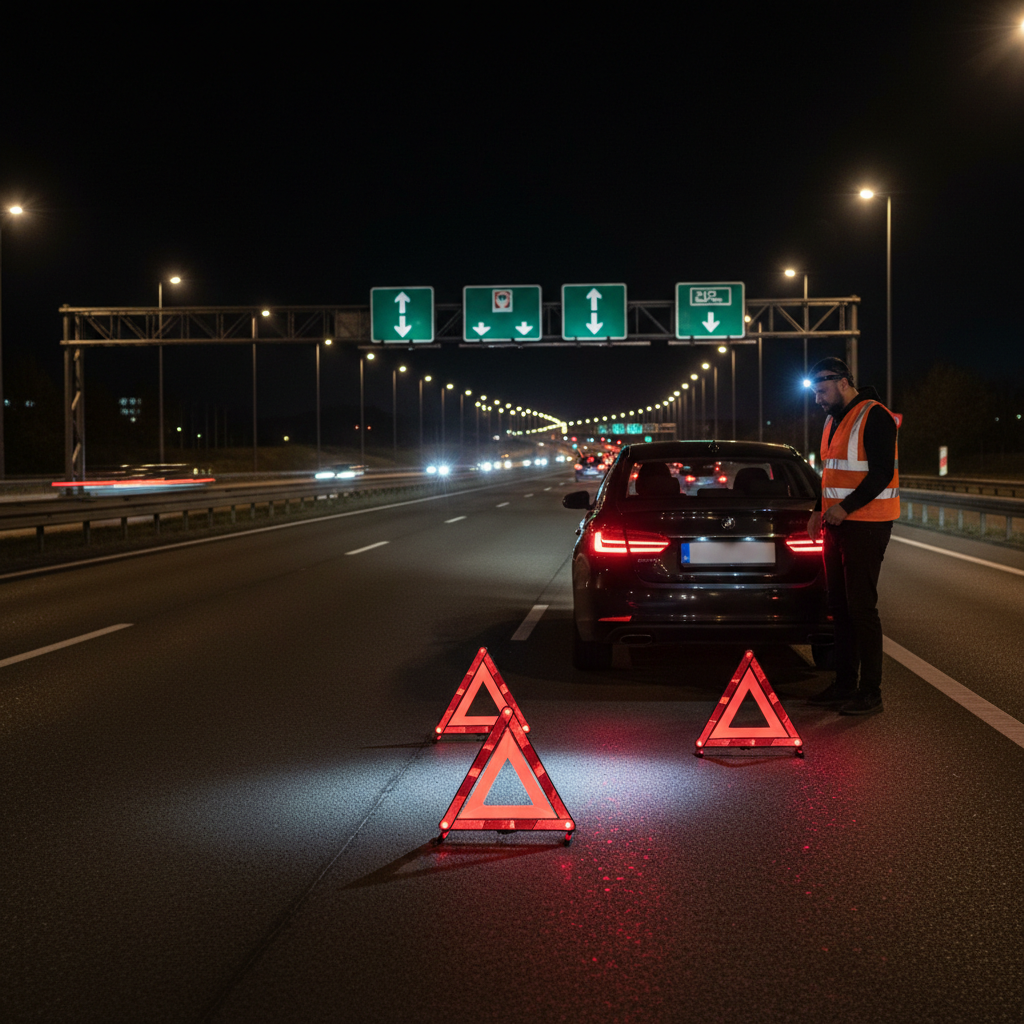
Mistakes That Make “Complete Kits” Useless
A lot of frustration comes from kits that look complete but fail in predictable ways.
- Buying for item count: 120 pieces can still miss triangles, decent gloves, or a workable light.
- Ignoring climate: cold weather punishes thin jumper cables and cheap batteries.
- No practice: if you’ve never opened the kit, the first time shouldn’t be on a rainy shoulder.
- Storing it wrong: loose batteries, leaky fluids, and rusted tools happen when everything gets tossed in a hot trunk for years.
Also, be cautious with “miracle” tire sealants. They can help, but some tires and wheels may not be compatible, and clean-up can be messy for repair shops. When in doubt, your owner’s manual and a tire professional can clarify what’s appropriate.
When It’s Smarter to Call for Professional Help
Even the best car emergency kit with jumper cables and tools has limits. If you see smoke, smell fuel, notice battery swelling, or your car loses power while driving, pulling over and calling roadside assistance is often the safer call.
- Repeated dead battery: could be a failing battery, alternator, or parasitic drain, a mechanic can test properly.
- Electrical burning smell: stop troubleshooting, that can escalate quickly.
- Unsafe location: narrow shoulder, poor visibility, heavy traffic, your safety outranks the DIY attempt.
According to AAA, roadside assistance calls often involve batteries and tires, and their general safety guidance emphasizes staying visible and avoiding risky roadside work when conditions are dangerous.
Conclusion: Pick a Kit You’ll Trust at 2 a.m.
A “best” kit is the one you can use confidently, with jumper cables that match your vehicle, tools that won’t bend, and safety gear that helps other drivers see you early. If you do one thing this week, open your trunk kit, check the cable gauge and flashlight batteries, and add triangles if your kit skipped them.
If you’re shopping today, use the table above as your filter, then choose the simplest kit that covers your real driving routine rather than an inflated item list.
FAQ
What gauge jumper cables should I look for in an emergency kit?
For many passenger vehicles, 6-gauge is workable, while 4-gauge tends to feel more reliable, especially in cold weather or with larger engines. If you drive a truck or deal with winter starts, thicker cables usually cause fewer headaches.
Is a jump starter better than jumper cables?
Often yes for convenience, but it’s not always “either/or.” A jump starter can fail if it’s not charged, while cables work if another car is available. Many drivers carry both if space and budget allow.
Do I need tools if I already have roadside assistance?
Usually still yes, because a small fix like tightening a battery terminal or cutting a zip tie can save time. Roadside assistance is great, but wait times vary, and a basic tool pouch helps with low-risk tasks.
What should I keep in the kit for winter driving?
Consider warmer gloves, a better headlamp, an emergency blanket, and cables that stay flexible in the cold. Also keep phone charging covered, cold drains batteries fast.
How often should I check or replace items in my car emergency kit?
Every 6–12 months is a reasonable cadence for most people, and immediately before long trips. Check flashlight batteries, jump starter charge if you carry one, and replace anything that looks corroded or dried out.
Can I store jumper cables and tools in a hot trunk year-round?
Tools and cables generally tolerate trunk storage, but heat can shorten battery and adhesive life, and humidity can cause rust. Use a sealed pouch, keep batteries in cases, and do occasional inspections.
Are tire plug kits safe for beginners?
They can be, but only for certain punctures and only if you’re comfortable doing it safely off traffic. If you’re unsure, it’s usually better to use an inflator to reach a safer location or call a professional.
If you’re trying to choose between a few kits and want a more “no surprises” setup, make a short shortlist, check cable gauge and length, confirm you have real visibility gear, then add only the extras that match your driving, that approach tends to beat buying the biggest bundle.