
best car window breaker seatbelt cutter tool shopping looks simple until you notice how many “tactical” gadgets fail at the one job that matters, helping you escape fast when a crash, fire, or water immersion turns a normal drive into a time problem.
Most drivers never test these tools, and that’s the trap, in an emergency your hands may shake, visibility may drop, and you might be upside down, so small design choices like grip texture, cutter shielding, and spring strength stop being “nice to have” and start being the difference between working and not working.
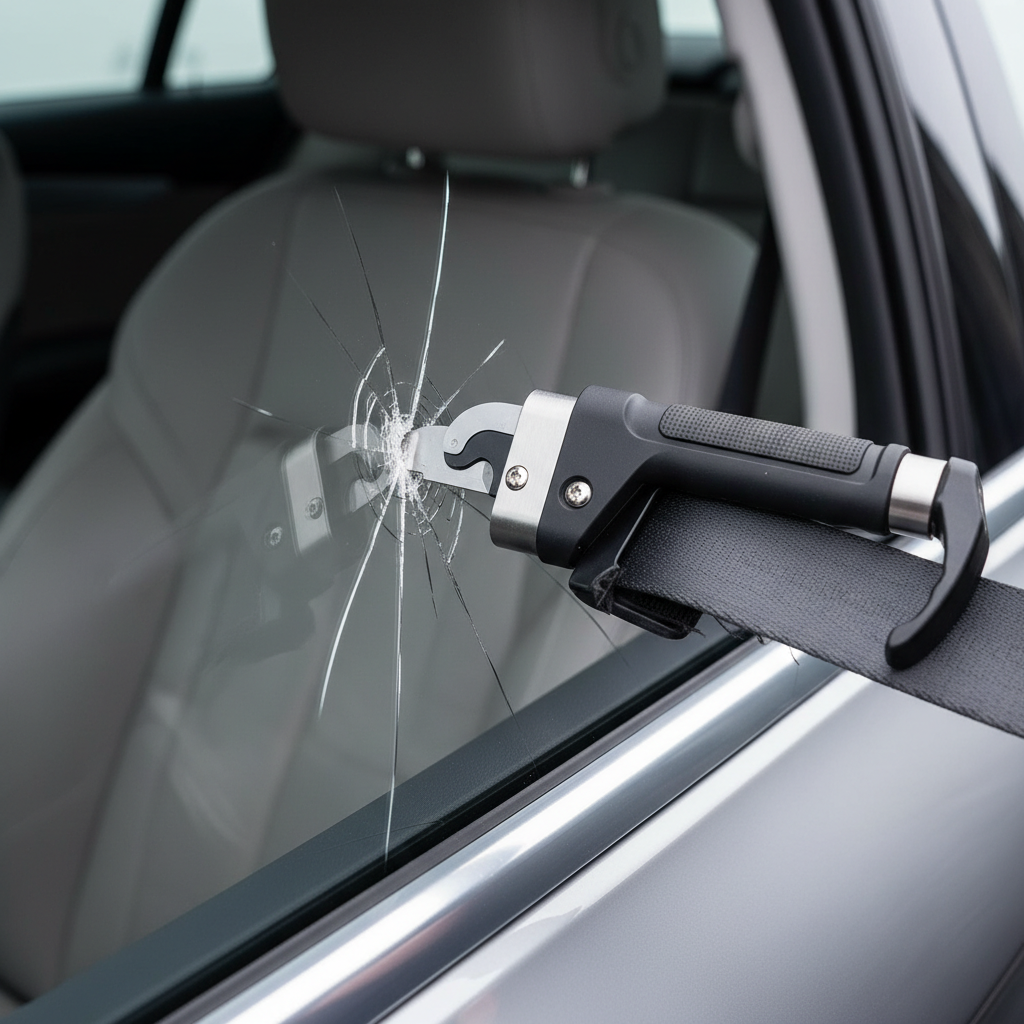
This guide focuses on what to buy and how to set it up so it’s actually usable, plus a quick self-check to match the tool to your car, your passengers, and where you drive.
What this tool should do, and when you actually need it
A combined window breaker and seatbelt cutter is meant for the “can’t open the door” moments, jammed doors after impact, a vehicle on its side, a belt that locks under load, or electrical issues that trap power windows. It’s not a daily-use item, it’s a low-cost insurance product that only earns its keep once.
According to the National Highway Traffic Safety Administration (NHTSA), wearing a seat belt is one of the most effective ways to reduce injury risk in crashes, which is exactly why a reliable belt-cutting option matters in rare cases where the belt won’t release.
One nuance many people miss, most tools are designed for tempered side windows, not laminated glass. Many newer vehicles may use laminated side glass on some trims, and windshields are almost always laminated, so you need to know what glass you have and set expectations accordingly.
Key features that separate a good tool from a glovebox toy
When people search for the best car window breaker seatbelt cutter tool, they often compare brand names, but the more reliable approach is to judge the mechanism and ergonomics. Here’s what tends to matter in real use.
Window breaker: spring-loaded punch beats “pointy hammer” for most drivers
- Spring-loaded center punch: consistent force with less swing room, helpful if you’re pinned or in a tight cabin.
- Striking tip material: hardened steel or carbide tip typically holds up better than softer metal.
- One-handed operation: you may be holding a child, bracing yourself, or supporting your weight.
Seatbelt cutter: shielded blade, wide slot, fast entry
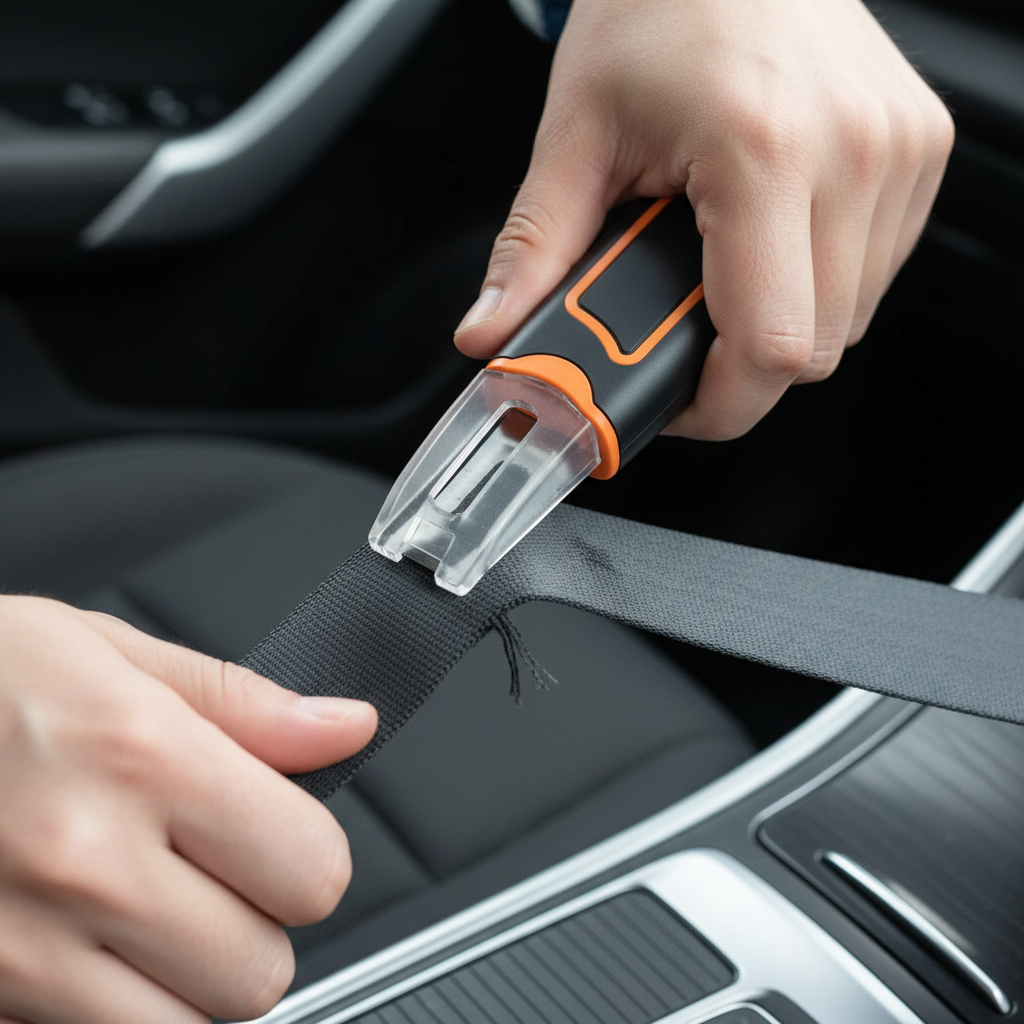
- Shielded cutter: reduces the chance of cutting skin when visibility is poor.
- Wide mouth/slot: easier to “catch” a belt under tension.
- Replaceable blade (if available): not mandatory, but useful if the tool sits in heat for years.
Grip, size, and “can I find it?”
- Non-slip texture: rubberized or aggressively knurled surfaces help with wet hands.
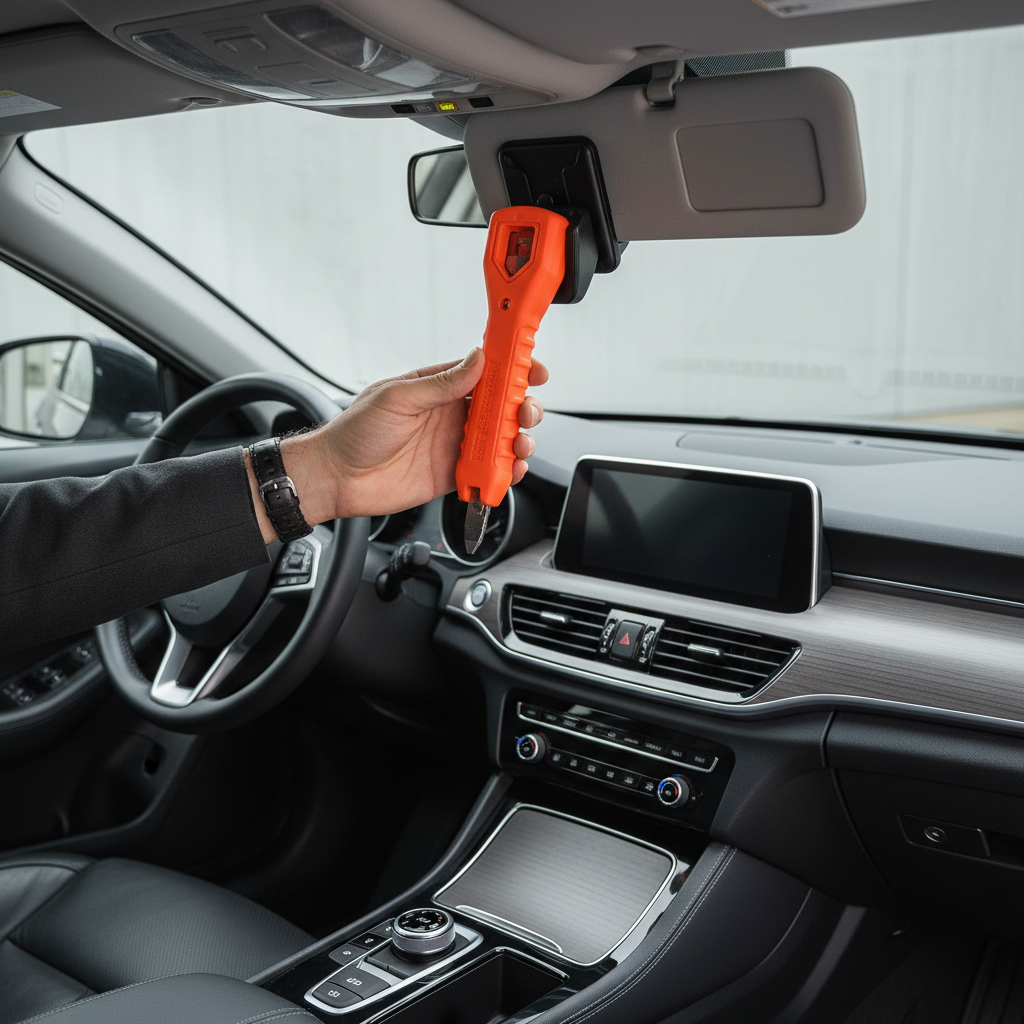
- High-visibility color: black tools disappear at night, bright orange/yellow is easier to locate.
- Mounting method: a tool you can’t reach is functionally the same as no tool.
Quick comparison table: what to look for before you buy
Not every driver needs the exact same setup, but this table helps you sanity-check marketing claims and focus on practical tradeoffs.
| Feature | Better choice for most drivers | Why it matters | Watch out for |
|---|---|---|---|
| Window breaking method | Spring-loaded punch | Works with minimal swing space | Weak springs, flimsy housings |
| Seatbelt cutter | Shielded, wide slot | Faster, safer under stress | Exposed blades, narrow entry |
| Mounting | Rigid mount within reach | Accessibility beats “stored safely” | Loose glovebox storage |
| Build feel | Solid, no rattles | Durability in heat/cold | Cheap “tactical” combos with extras |
| Visibility | Bright color + simple shape | Easier to find at night | All-black tools, tiny keychains |
Self-check: which setup fits your car and your driving
Before buying another “best” anything, take 90 seconds and decide what situation you’re planning for. Many purchases go wrong because the tool and the risk don’t match.
- Your window type: if your side glass is laminated on your trim, a punch may not shatter it as expected, you may need a different escape plan and should check your owner’s manual or ask the dealer.
- Where you drive: flood-prone roads, bridges, rural highways, or winter conditions tend to raise the value of an escape tool.
- Who rides with you: kids, older family members, or rideshare passengers add urgency, you may want a second tool for the back seat.
- Your reach under stress: can you grab it with your seat belt on, with your non-dominant hand, in the dark?
- Your storage habits: if you already toss things into the glovebox, prioritize a mount so it doesn’t get buried.
How to store it so it’s usable, not just owned
This is the part most people skip, then later assume the product “didn’t work.” In reality, the problem is usually access.
Recommended placement options
- Driver-side visor mount: easy to reach, consistent location, works even when the cabin is cluttered.
- Center console outer edge: good compromise if you share the car, still reachable with either hand.
- Door pocket: can work, but only if it stays fixed and doesn’t slide behind other items.
Placements that often fail in real emergencies
- Glovebox: may jam in a crash, may be inaccessible if the car deforms.
- Trunk: too slow, and you may not be able to exit the cabin.
- Keychain: convenient, but some mini tools sacrifice grip and leverage.
Key point: if the tool is for you, mount it where you can reach it while still belted in. If it’s for passengers, consider a second unit mounted in back.
Practical use: a simple escape sequence that many people can remember
In an emergency, complex plans collapse. A short sequence helps, and you can rehearse it mentally without doing anything unsafe.
- Unbuckle first if the buckle works, if it does not, use the cutter on the belt webbing near your shoulder, not near your body.
- Break a side window, aim for a corner of the tempered glass rather than the center, many punches work best there.
- Clear shards carefully, use your forearm or an object if available, avoid reaching bare-handed through jagged edges.
- Exit and assist, prioritize getting yourself stable, then help others if it’s safe.
According to the American Red Cross, flooding and flash floods can develop quickly, and cars can become hazardous in moving water, so if your region sees frequent flooding, it’s worth thinking through your “get out fast” steps in advance.
Common mistakes that make the tool useless
A lot of negative reviews come from predictable issues, not necessarily from a truly defective product. These are the repeat offenders.
- Trying to break the windshield: most windshields are laminated, your goal should be a side window unless your vehicle has special glass.
- Not pressing firmly: a spring punch needs solid contact, hovering or angled contact often fails.
- Buying a multi-tool with too many functions: extra blades, whistles, and mini flashlights can reduce grip quality and durability.
- Leaving it loose: under-seat storage sounds fine until it slides out of reach.
- Never checking it again: heat cycles in a parked car can degrade plastics and adhesives, a quick visual check every few months is reasonable.
When you should ask for help or consider alternatives
If you’re unsure whether your side windows are tempered or laminated, or you drive a newer model where glass specs vary by trim, confirming with the owner’s manual or a dealership parts department can save you from relying on the wrong plan.
If you have mobility limitations, arthritis, or reduced grip strength, you may want to test different handle shapes in-store, or consider pairing the tool with other safety planning like keeping a phone mount and a bright flashlight within reach. For medical concerns that affect emergency response, it’s sensible to consult a qualified professional for personalized advice.
Conclusion: what “best” really means for most drivers
The best car window breaker seatbelt cutter tool is usually the one you can reach instantly, operate with one hand, and trust to perform on tempered side glass, without sharp exposed blades or gimmicky add-ons.
If you do one thing after reading this, mount the tool where you can grab it while belted in, then do a quick mental rehearsal of cut-belt, break-side-window, exit. That small setup step is what turns a purchase into preparedness.
FAQ
What is the best place to mount a car window breaker and seatbelt cutter?
For most drivers, a visor mount or a rigid mount near the center console works well because you can reach it while still buckled. Gloveboxes and trunks often become inaccessible after impact.
Will a window breaker work on laminated side windows?
Sometimes it may crack but not “shatter” the way tempered glass does, which can slow exit. Many vehicles still use tempered glass on side windows, but trim and model year can change that, checking your manual is the safest bet.
Should I buy a hammer-style tool or a spring-loaded punch?
Hammer-style tools can work, but they usually need swing space and accuracy, which is harder when you’re restrained or the cabin is cramped. A spring-loaded punch tends to be more consistent for everyday drivers.
Can I use it to break the windshield in an emergency?
In many cases, no, windshields are laminated and designed to stay together, so a punch may not create an exit. Target a side window unless you have strong reason to believe your glass behaves differently.
Do I need more than one escape tool in my car?
If you regularly drive with passengers, especially kids in the back seat, a second tool mounted where rear passengers can reach can make sense. One tool up front may not be reachable from the back after a crash.
How do I know the seatbelt cutter will work when I need it?
You usually cannot “test cut” your seatbelt, so focus on design cues like a shielded blade, solid build, and a slot wide enough to catch thick webbing. Periodic visual checks for damage and keeping it clean help.
Is it safe to keep a seatbelt cutter in the car with kids?
A shielded cutter reduces risk, and mounting the tool out of a child’s reach is a good idea. If you need a back-seat tool, choose a mount location that’s accessible to an adult but not tempting for a child to play with.
A simple next step if you want a lower-effort setup
If you’re trying to pick the best car window breaker seatbelt cutter tool without overthinking specs, aim for a spring-loaded punch plus a shielded cutter, then prioritize a solid mount near the driver seat, that combination is often what makes the tool practical instead of aspirational.