
Best car tire valve stem caps with logo sound like a tiny upgrade, but they’re one of those details that can either feel premium for years or turn into a corroded, stuck-on headache after one winter.
If you’re buying for your own vehicle, a car club, or a business giveaway, you’re usually balancing three things that don’t always cooperate: looks, durability, and fit/sealing. The good news is you can screen most options in a few minutes once you know what matters.
I’ll walk through what actually makes a logo cap “good,” what to avoid (especially on TPMS vehicles), and how to choose by use case, then wrap with a quick checklist you can use before you buy or place a custom order.
What “best” really means for logo valve stem caps
Most listings focus on the logo, but the “best” caps usually win on boring stuff: clean threads, the right insert, and materials that don’t react badly with your valve stem.
- Correct fit: Most passenger cars in the U.S. use Schrader valves, so you want standard Schrader-compatible caps unless you know you have something unusual.
- Reliable seal: Many quality caps include a small rubber or silicone O-ring. Not every cap needs it, but it often helps keep dust and moisture out.
- Material that matches your climate: If you deal with road salt and freeze-thaw cycles, material choice matters more than the logo style.
- Logo that lasts: Laser engraving and hard enamel tend to outlast simple paint, especially after repeated washes.
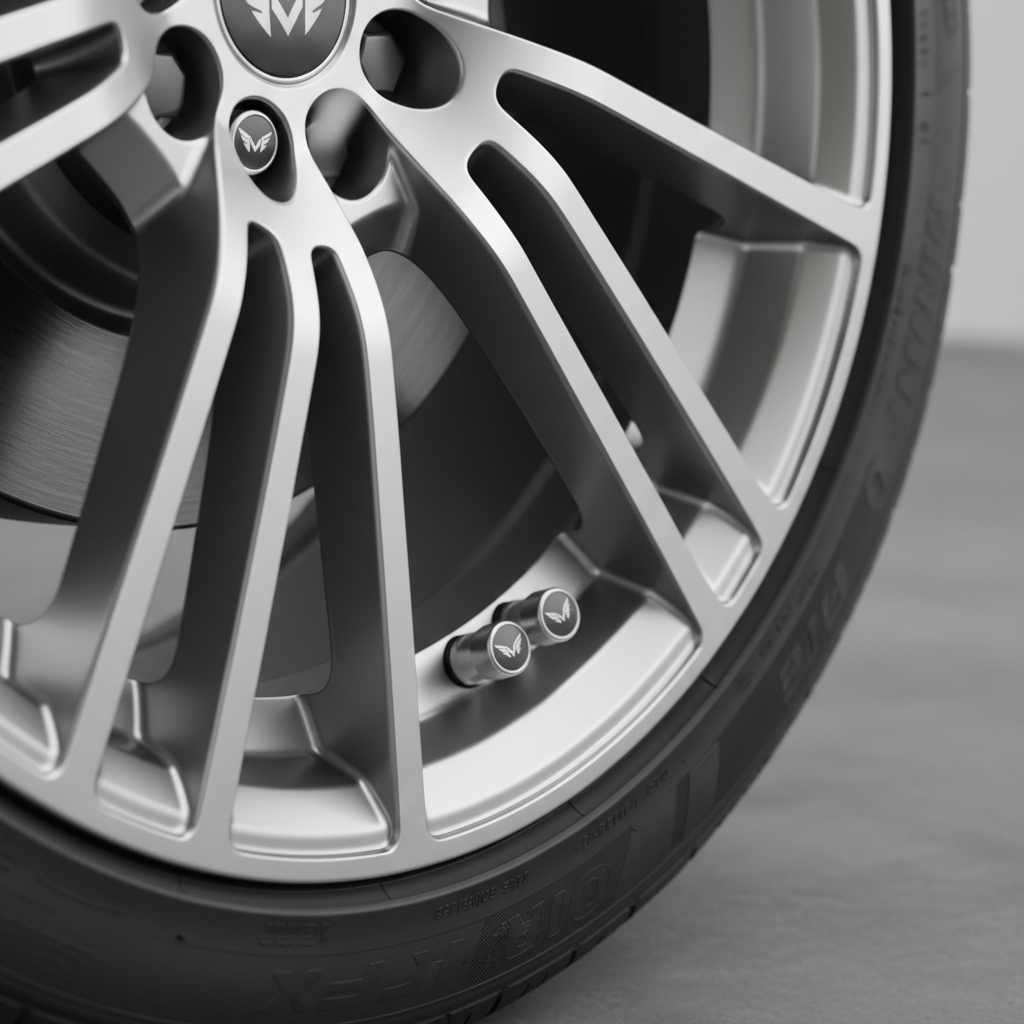
Materials compared: aluminum vs brass vs plastic vs stainless
This is where many “cool-looking” caps fail. A cap can look great in the box, then seize onto the stem later because of corrosion or poor plating.
| Material | Pros | Cons | Best for |
|---|---|---|---|
| Plastic (ABS/nylon) | Low corrosion risk, cheap, lightweight | Can crack, logo can fade, less “premium” feel | Daily drivers, winter/salt areas |
| Brass | Good corrosion resistance, solid threads | Heavier, logo options may be simpler | Long-term durability with metal look |
| Aluminum | Light, lots of color/anodized styles | Can galvanically corrode on brass stems in salty/wet conditions | Dry climates, show cars, short-term promos |
| Stainless steel | Strong, corrosion resistant, premium feel | Cost, some styles over-tighten easily | High-end builds, harsh climates |
Practical call: For many U.S. drivers, plastic or brass is the low-drama choice. Aluminum can be fine, but it’s the material most likely to cause “stuck cap” stories when winter salt enters the chat.
Logo methods that hold up (and which ones fade fast)
Branding is the whole point, but a lot of caps rely on surface paint that wears off after washes, grit, and UV. If you’re buying best car tire valve stem caps with logo for a group, durability is what keeps them from looking like a cheap giveaway.
Usually more durable
- Laser engraving: The mark is etched into metal, so it tends to survive abrasion better.
- Hard enamel inlay: Colors sit in recessed areas and often resist chipping more than simple printing.
- Embossed/raised logo on plastic: No ink required, so nothing “peels,” though the plastic itself can age.
Often less durable
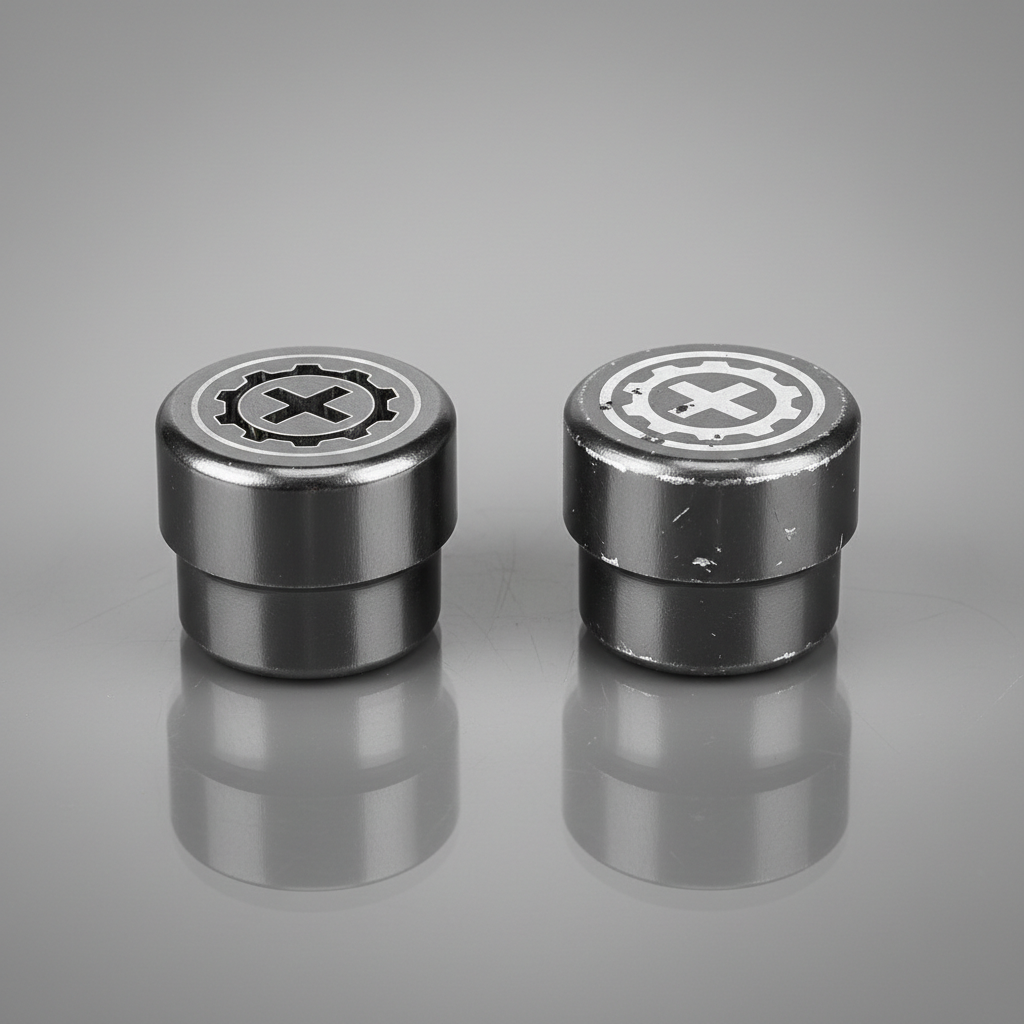
- Pad-printed paint on smooth metal: Can wear down or flake if the clear coat is thin.
- Sticker-style logo domes: Can yellow or lift at the edges over time, especially in heat.
Fit, sealing, and TPMS: the stuff that prevents annoying problems
Valve stem caps don’t “hold pressure” the way the valve core does, but they protect the valve from dirt and moisture. Poor fit or gritty threads can still create problems you’ll notice at the worst time.
- Thread quality: Rough threads cross-thread more easily, and once you chew up the stem, it’s not fun.
- O-ring insert: Helpful for dust/water resistance, especially if you drive on gravel or in wet climates.
- TPMS compatibility: If your vehicle has TPMS sensors, caps should still be fine, but avoid anything that interferes with the stem or requires tools to remove.
According to NHTSA, TPMS is designed to warn drivers when tire pressure is significantly under-inflated, so anything that makes valve access harder or encourages neglect is a step in the wrong direction.
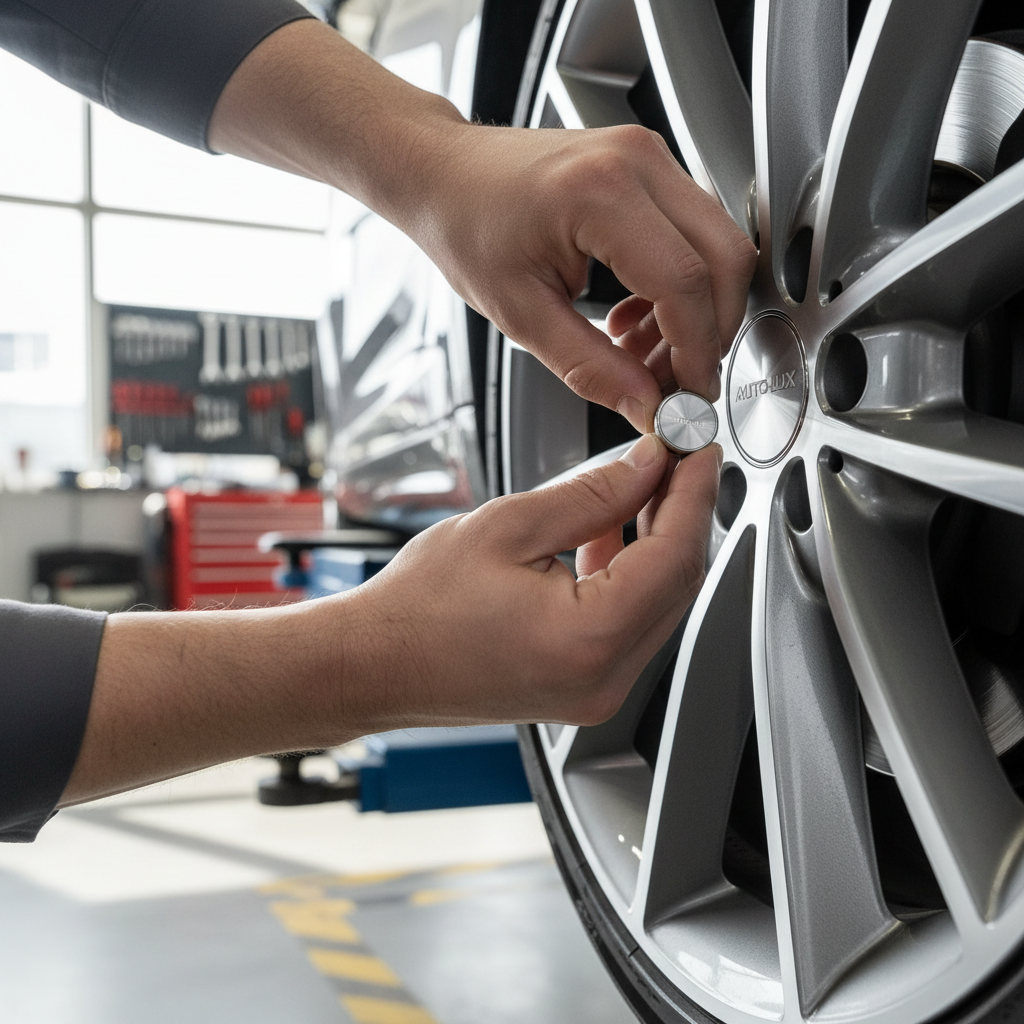
One small habit: Tighten caps snug by hand, not “as tight as possible.” Over-tightening is a common reason metal caps seize onto metal stems.
Quick self-check: which caps are right for you?
If you’re not trying to turn this into a research project, use this quick set of questions. Your answers point to the safest, least-regret choice.
- Do you drive in snow/salt states? Favor plastic, brass, or stainless; be cautious with aluminum.
- Is this for daily use or a show/event? Daily: function-first. Event: you can prioritize looks, but still avoid sketchy threads.
- Do you wash the car often or use automatic washes? Choose engraving or enamel rather than simple print.
- Is this for gifts/branding? Pick a logo method that won’t fade in a month, or your brand takes the hit.
- Do you need theft deterrence? Locking caps exist, but they add friction when checking pressure; consider if that trade-off is worth it.
How to choose and buy (or order custom) without getting burned
Buying best car tire valve stem caps with logo is usually either a small personal purchase or a small-batch custom order. The mistakes differ a bit, so here are practical steps for both.
If you’re buying off-the-shelf
- Check stem type: Standard Schrader fits most cars, SUVs, and light trucks in the U.S.
- Read for material clarity: If the listing won’t clearly say plastic/brass/aluminum/stainless, treat it as a warning sign.
- Look for O-rings: Not mandatory, but a nice quality hint, especially for dusty areas.
- Prefer simple shapes: Extremely tall or spiky novelty caps can get knocked or snagged, and sometimes loosen.
If you’re ordering custom logo caps
- Ask how the logo is applied: “Printed” can mean many things. Request laser engraving or enamel if longevity matters.
- Request a pre-production sample: Even one physical sample can reveal thread roughness and color mismatch.
- Define color expectations: If you care about brand color, confirm how they match it (and accept that small differences often happen).
- Confirm packaging: Individual bagging reduces scratches in transit, especially for metal finishes.
According to SAE International, standardization around tire valves helps ensure interchangeability across vehicles, which is why “universal” is often true, but the manufacturing quality still varies a lot between sellers.
Common mistakes (and how to avoid them)
Most complaints about logo caps come from a few predictable issues. If you avoid these, you’re already ahead.
- Choosing aluminum in harsh winter areas: It can be fine, but corrosion risk rises in wet/salty conditions. If you insist on aluminum, remove and re-seat occasionally.
- Over-tightening: Hand-snug is enough. Tools usually create more problems than they solve.
- Ignoring thread feel: If it grinds on the first turn, stop and inspect. Forcing it can damage the valve stem.
- Prioritizing “cool” shapes: Novelty caps sometimes loosen or crack, and they can make pressure checks annoying.
- Assuming caps fix slow leaks: If you suspect a leak, you likely need valve core service or tire inspection. A cap is not a repair.
Key takeaways + a simple recommendation by scenario
If you want the cleanest path to “buy once, don’t think about it,” pick the cap based on environment and how long you need the logo to look good.
- Daily driver in mixed weather: Plastic or brass caps, optional O-ring, logo via raised molding or simple durable print.
- Snow/salt states: Plastic, brass, or stainless, skip cheap aluminum, keep it simple and easy to remove.
- Show car / enthusiast build: Stainless or anodized aluminum with laser engraving, just commit to occasional removal to prevent sticking.
- Business promo / club order: Laser engraving or enamel, request a sample, and avoid finishes that scratch easily during distribution.
When you narrow it like this, “best car tire valve stem caps with logo” becomes less about chasing a perfect product and more about picking the safest match for your real driving life.
When to ask a tire shop for help
If a cap is stuck, the stem looks damaged, or you see ongoing pressure loss, it’s worth having a tire shop take a look rather than forcing it. In some cases, especially with TPMS hardware, pushing too hard can create extra cost.
According to Tire Industry Association, proper tire service practices include careful handling of valve components, so when something feels off, professional help is usually cheaper than improvising.
Conclusion
Great logo caps are simple: they thread smoothly, resist corrosion in your climate, and keep the branding looking intentional instead of worn-out. Pick the material first, then choose the logo method, and you’ll avoid most of the common regrets.
If you’re shopping today, make your next step practical: check your local climate and choose plastic/brass/stainless accordingly, then prioritize engraving or enamel if you want the logo to stay crisp.
FAQ
- Do tire valve stem caps with logos affect tire pressure?
In normal use they shouldn’t. The valve core holds pressure, while the cap mainly protects the valve from dust and moisture, but a damaged stem or cross-threading can create issues that feel like a leak. - Are metal valve stem caps safe on all cars?
Usually yes, but in wet or salty conditions metal-on-metal can corrode and seize. If you want metal for the look, brass or stainless is often lower risk than cheap aluminum. - What’s the most durable logo option for valve stem caps?
Laser engraving is typically the safest bet for longevity on metal caps. Enamel can also last well, while simple surface printing may wear faster with washing and road grit. - Do I need O-rings on valve stem caps?
Not always, but they can help keep moisture and fine dust out, especially if you drive gravel roads or see lots of rain. They’re a nice quality signal, not a must-have. - Will these fit my SUV or pickup?
Most likely, since Schrader valves are common across passenger vehicles in the U.S. If you’ve changed stems or have specialty wheels, verify before buying in bulk. - Why do valve stem caps get stuck?
Corrosion, over-tightening, and grit in the threads are common causes. A simple routine of hand-tightening and occasionally removing/reinstalling caps helps prevent seizure. - Are locking logo valve caps worth it?
Sometimes, if you’ve had caps stolen or you run a premium set, but they add hassle when checking pressure. Many drivers end up preferring non-locking caps for convenience.
If you’re ordering for a team, dealership, or event and want a more “set it and forget it” result, it often helps to choose a conservative material (plastic, brass, or stainless), then invest in a logo method that won’t fade fast, even if the unit cost ends up slightly higher.