
best portable car jump starter 2026 is a search people usually make after a no-start moment, a weak battery, or one too many roadside “can you give me a jump?” conversations.
The tricky part is that jump starters look similar online, yet they behave very differently in real life, especially in cold weather, with larger engines, or when a battery is truly depleted. A cheap unit can be fine for a small sedan in mild climates, but feel useless on a winter morning in the Midwest.
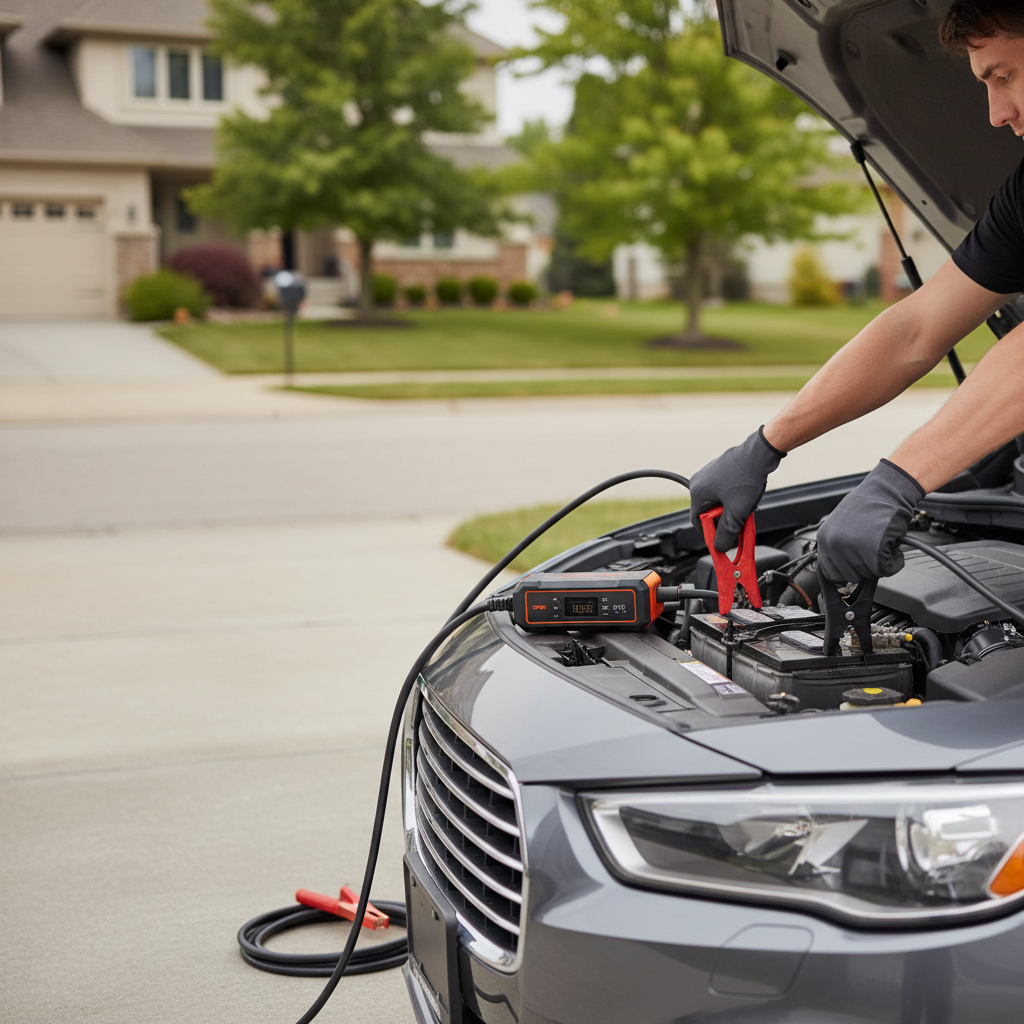
This guide focuses on what actually matters when buying and using one in the U.S. market in 2026: honest sizing, safety features, charging habits, and a quick way to match a model to your car or truck. You’ll also get a simple table so you can compare options without drowning in specs.
What makes a jump starter “best” in 2026 (not just on paper)
Marketing loves peak amps, but day-to-day reliability depends on a mix of battery chemistry, clamp quality, and protection circuitry. If you want a unit you’ll trust at night on the shoulder, prioritize these points.
- Engine fit: gas vs diesel, and engine size. Many models advertise big numbers but are realistically better for smaller gas engines.
- Cold performance: lithium packs lose punch in low temps. A “winter-friendly” unit is usually one with honest capacity and good electronics, plus you keep it charged and not buried in the trunk for months.
- Safety protections: reverse polarity, short-circuit, over-current, and spark-resistant clamps. According to NHTSA, roadside incidents can escalate quickly, so reducing avoidable mistakes matters.
- Usable design: clear indicators, easy-to-read battery level, sturdy cables, and a case that won’t fall apart.
- Ownership reality: how you recharge it, how often you’ll check it, and whether customer support and warranty terms seem credible.
Key point: the “best portable” pick is the one that matches your engine and your climate, then stays charged and easy to use.
Quick comparison table: choose by vehicle and use case
Instead of pretending there’s one winner for everyone, here’s a practical way to shop. Treat these ranges as typical, since brands rate products differently and real performance varies.
| Use case | Typical vehicle | What to look for | Common trade-off |
|---|---|---|---|
| Everyday compact | Small gas engines (city cars) | Quality clamps, clear status lights, reputable protections | May struggle in deep cold if stored uncharged |
| Family car + winter | Midsize SUVs, crossovers | Higher real capacity, strong cables, dependable brand support | Bigger and heavier, takes longer to recharge |
| Truck/SUV heavy duty | Large gas engines, some light diesel | High peak rating plus honest “engine size” guidance, rugged build | Costs more, portability drops |
| Emergency kit only | Occasional use, short trips | Long shelf performance, simple operation, good case | People forget to top it up |
| Multi-purpose power | Road trips, camping, fleet | USB-C fast charging, flashlight modes, 12V output if needed | More features can mean more buttons and confusion |
How to tell if you need a stronger model (self-check)
If you’re comparing the best portable car jump starter 2026 options and everything looks “powerful,” this checklist cuts through it. If you hit two or more items below, lean toward a higher-capacity unit from a reputable maker.
- You park outside and see freezing mornings regularly.
- Your battery is older, or you’ve had slow cranks recently.
- You drive a larger SUV, pickup, or anything with a bigger engine.
- You do short trips where the alternator doesn’t fully recharge the battery.
- You want it to work even when the battery is very low, not just “a little weak.”
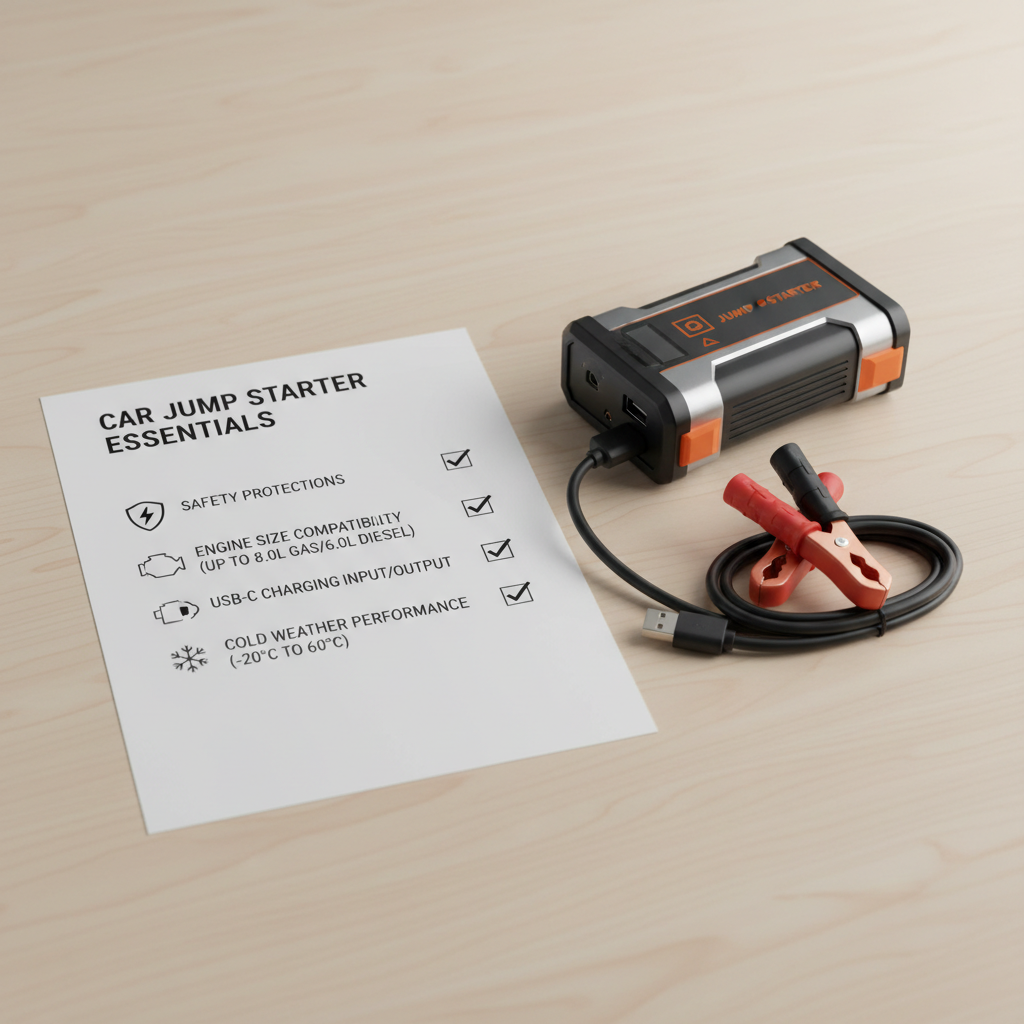
One more reality check: a jump starter can’t fix a battery that’s failing internally. If the car starts once and then quickly dies again, you may be dealing with a worn battery, alternator issues, or corroded connections, and a mechanic’s diagnosis becomes the faster path.
Top features worth paying for (and what’s mostly fluff)
Features that usually matter
- Reverse polarity protection: reduces the chance you damage electronics if clamps get swapped.
- Quality clamps and thicker cables: this is where cheap units often disappoint.
- USB-C charging: easier to keep topped up in 2026 since USB-C is everywhere.
- Accurate battery gauge: “four LEDs” can be misleading; more granular is better.
- Temperature and current protections: helps prevent overheating and surprises.
Features that are nice, but not decisive
- Extra-bright floodlight modes: useful, but not a reason to buy a weak starter.
- Air compressor combo units: convenient, though combo designs often compromise on size, recharge time, or long-term durability.
- Huge peak-amp numbers: look for clear engine-size guidance and realistic use cases, not just the biggest number.
According to UL Solutions, product safety standards and testing play a role in reducing risk for consumer electronics; while not every jump starter is UL-listed, brands that publish clear compliance and safety details tend to take engineering more seriously.
Real-world buying tips for the U.S. (what editors watch for)
When people ask for the best portable car jump starter 2026, they often want a clean “buy this one” answer, but shopping smarter usually means filtering the junk first.
- Read the manual page before buying: if the instructions are vague, that’s a bad sign.
- Look for honest engine guidance: “up to X liters gas / Y liters diesel” is more meaningful than raw amps.
- Check recharge time and method: a model that takes forever to recharge tends to end up dead when you need it.
- Warranty clarity: vague warranty language often matches vague quality control.
- Accessories that matter: a protective case, solid clamps, and a charging cable you’ll actually use.
If you keep an emergency kit for family drivers, simpler controls beat “feature-rich.” In stressful moments, fewer steps usually means fewer mistakes.
How to jump-start safely (practical steps)
These steps cover typical 12V passenger vehicles, but always check your vehicle manual and the jump starter manual. If anything looks unusual, or you smell fuel or see damaged wiring, stepping back and calling roadside assistance may be safer.
- Prep: put the car in Park, set the parking brake, turn off accessories.
- Connect clamps correctly: positive to positive, negative to a recommended ground point if your manual suggests it.
- Power on the unit: some require an “override” only for very low batteries, use that mode carefully if available.
- Start the car: crank in short attempts, don’t grind the starter motor repeatedly.
- Disconnect in reverse order: and keep clamps from touching each other.
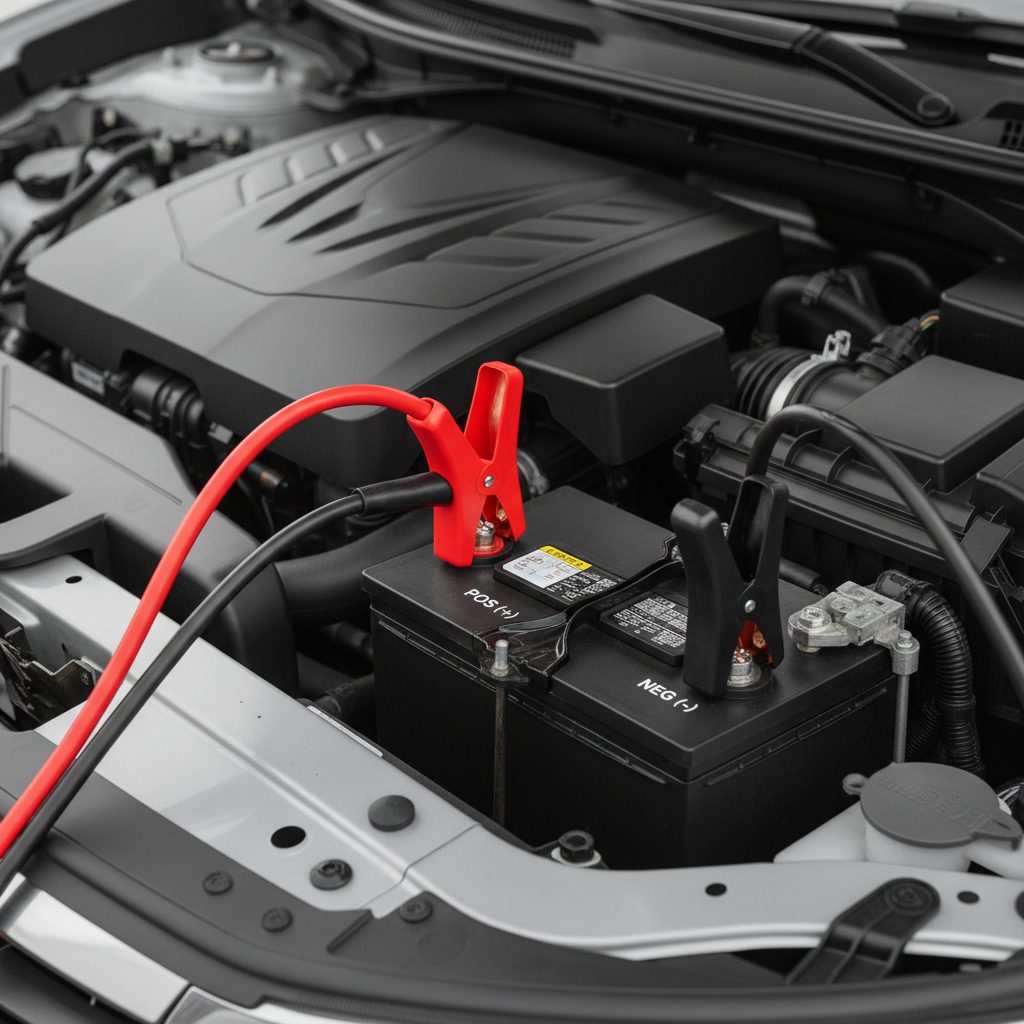
After it starts: if the vehicle stalls shortly after, don’t assume the jump starter is the issue. Many times the battery is near end-of-life, or the charging system needs attention. According to AAA, weak or failing batteries are a common cause of no-start situations, so planning a battery test is a sensible next step.
Mistakes that make a good jump starter seem “bad”
- Storing it dead: lithium packs self-discharge slowly, and heat can speed that up. Put a recurring reminder to top it up.
- Leaving it in extreme heat or cold: a trunk in summer can be brutal; consider keeping it in the cabin when practical.
- Assuming it replaces maintenance: if your battery is 4–6 years old, testing matters more than buying a bigger pack.
- Using thin, cheap accessories: off-brand clamp extensions can add resistance and reduce starting power.
- Not waiting between cranks: repeated long cranks can overheat the starter and stress the jump pack.
When to get professional help (and not force it)
If you try once or twice and the car won’t crank, or you see warning lights that suggest electrical faults, getting help can save money. A jump starter is for a start event, not a cure for deeper problems.
- Battery terminals look heavily corroded, loose, or damaged.
- The vehicle clicks repeatedly, or electronics flicker erratically.
- The car starts but dies immediately, suggesting charging-system issues.
- You drive a newer vehicle with special procedures in the manual, or hybrid/EV systems where you should follow manufacturer guidance and possibly consult a professional.
Conclusion: a “best” pick is the one you’ll actually keep ready
Shopping for the best portable car jump starter 2026 comes down to honest matching: your engine size, your weather, and how disciplined you are about keeping the pack charged. If you drive a larger SUV or deal with real winter, lean stronger than you think you need, and prioritize clamps and protections over flashy extras.
Your next move can be simple: check your engine size, pick a reputable model with clear safety features, then set a monthly reminder to top it up so it works when the day goes sideways.
FAQ
- What size jump starter do I need for a 4-cylinder car?
Many compact lithium models work well for typical 4-cylinder gas engines, assuming the battery isn’t completely failed and the unit is fully charged. If you see freezing temps often, sizing up improves consistency. - Is “peak amps” a reliable way to compare models?
It helps a bit, but it’s not the whole story. Cable quality, battery capacity, and protection circuitry can matter just as much, and brands don’t always rate peak numbers the same way. - How often should I charge a portable jump starter?
A common approach is monthly checks, plus after any use. Some brands recommend specific intervals, so follow the manual, especially if you store it in hot conditions. - Can a jump starter damage my car’s electronics?
It’s uncommon with reputable units used correctly, but mistakes like reversed clamps or using override modes improperly can raise risk. If your vehicle manual lists special jump-start steps, follow those. - Do I need an “override” feature?
It can help when a battery is extremely low and the jump pack can’t detect voltage, but it also removes some safeguards. If you’re not comfortable, roadside assistance may be the safer option. - Will a jump starter work if my battery is totally dead?
Sometimes, but not always. If the battery is internally damaged or has a shorted cell, the vehicle may not accept a jump, and you may need a new battery or professional diagnosis. - Is it safe to keep a jump starter in the car year-round?
Usually yes, but extreme heat and cold can reduce performance and lifespan. Many people keep it in the cabin and avoid leaving it baking in the trunk all summer.
If you’re shopping and want a more straightforward path, focus on a short list of reputable models that clearly state engine fit, include modern protections, and recharge via USB-C, it’s often the quickest way to land on something you’ll actually trust and keep ready.