
how to cool backseat of car fast comes down to one thing: getting cold air moving to the rear seats before the cabin heat “soaks” into everything back there.
If you’ve ever turned on the A/C and felt great up front while the backseat stays sticky, you’re not imagining it, many vehicles send most airflow to the front vents, and the rear area also traps heat in upholstery, child seats, and tinted glass.
This guide gives you quick moves you can do in the first 60 seconds, plus a few low-cost habits and accessories that tend to help in real life, without pretending every car has the same vents, glass, or A/C performance.

Why the backseat heats up more than the front
Rear-seat heat usually comes from a mix of airflow design and heat storage, the A/C may be “cold,” but the back still feels warm because cool air never reaches it in volume.
- Airflow bias: Many HVAC systems prioritize front vents for driver comfort and windshield defogging.
- Heat load from glass: Large side windows and rear glass can radiate heat onto passengers and car seats.
- Hot surfaces: Leather, vinyl, and dark fabric hold heat, then re-release it after you start driving.
- Obstructions: A packed rear floor, seatback organizers, or bulky child seats can block the path of air.
According to the U.S. National Highway Traffic Safety Administration (NHTSA), hot cars can become dangerous quickly, so if you’re cooling the backseat for kids or pets, the urgency is real and the margin for error is small.
Do a 30-second check: what kind of “backseat hot” problem do you have?
Before buying anything, identify the bottleneck, it changes what works.
- Rear vents exist but feel weak: likely a setting, blockage, or fan-speed issue.
- No rear vents at all: you’ll rely on front vent aim, recirculation, and air circulation tricks.
- Cold air up front, warm air in back even after 10 minutes: often heat load from sun plus poor air mixing.
- A/C never feels truly cold anywhere: could be system performance, low refrigerant, or a mechanical issue, worth a pro look.
A quick reality check helps: if the front vents aren’t blowing noticeably cool within a few minutes of driving, chasing “rear cooling hacks” won’t solve the main issue.
Fastest actions in the first minute (works in most cars)
When you need how to cool backseat of car fast right now, focus on dumping stored heat and forcing air to mix.
1) Vent the hot air first, then switch to max cooling
For the first 20–60 seconds, crack windows to let trapped heat escape, then close them once the A/C starts pushing cooler air.
- Open front windows slightly, and if safe, crack a rear window on the opposite side to create crossflow.
- After the “blast” of heat leaves, close windows to let the A/C work efficiently.
2) Use recirculation sooner than you think
Recirculation typically cools faster because the system chills already-cooled cabin air instead of constantly fighting outside heat. Many people delay it, then wonder why the rear stays warm.
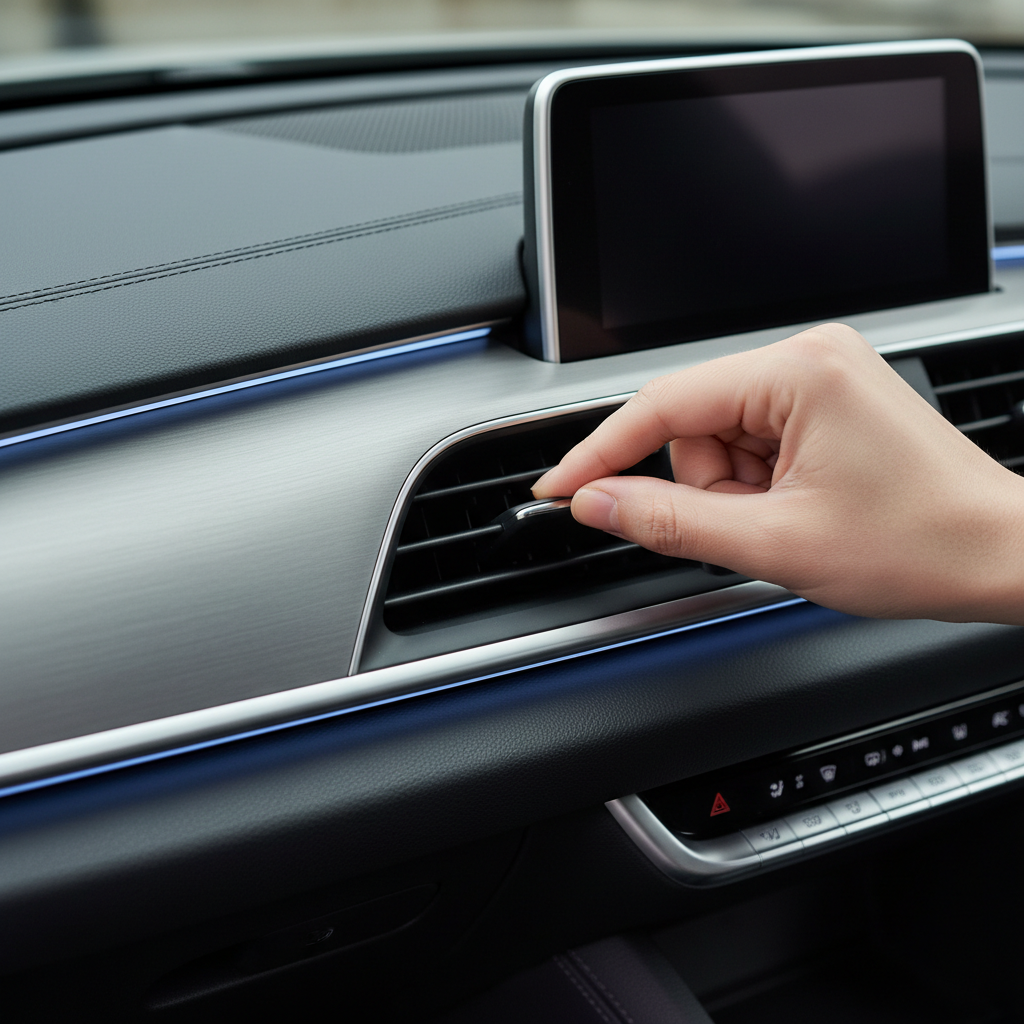
3) Point front vents up and slightly inward
Aiming vents straight at faces feels cold up front but doesn’t mix air well. Try angling them upward toward the roofline and a touch toward the center, the cool air “spills” rearward more effectively.
4) Use higher fan speed first, then dial back
High fan speed helps move the cold air mass to the rear seats. Once the backseat starts feeling normal, you can reduce fan speed to cut noise.
Best A/C settings for rear-seat comfort (by common vehicle layouts)
There isn’t one perfect setting, but these patterns usually work across sedans, SUVs, and minivans.
| Car setup | Settings that often cool the back quicker | Why it helps |
|---|---|---|
| No rear vents | Recirculation ON, fan HIGH for 3–5 min, front vents angled up/in | Improves mixing so cool air reaches rear |
| Rear vents in center console | Open rear vents fully, close some front vents slightly, fan MED-HIGH | Redirects airflow volume toward rear passengers |
| Tri-zone / rear HVAC controls | Sync temps initially, rear fan MED-HIGH, then fine-tune rear temp | Avoids “fighting zones” that slow pull-down |
| Roof/overhead vents (common in vans) | Open overhead vents fully, aim along headliner toward 3rd row | Cold air drops, overhead routing cools evenly |
If your car has rear vents, physically check them, kids sometimes close them, and some vents have a tiny thumbwheel that cuts airflow more than you’d expect.
Practical add-ons that can cool the backseat faster
If you’ve fixed settings and airflow still favors the front, small accessories can help, but only when they match your layout.
- Clip-on 12V fan (aimed from front to back): Helps push cooled air rearward in cars without rear vents. Choose a stable mount so it doesn’t become a projectile in a stop.
- Window sunshades: Reduces radiant heat on passengers and child seats, especially on the sunny side.
- Ceramic window tint: Often improves comfort by cutting heat transfer, legality varies by state, so check local tint rules.
- Light-colored seat covers or a towel barrier: Can reduce “hot seat” contact temperature, especially on leather or dark upholstery.
For families, a fan plus sunshades is usually the quickest “feel it today” combo. Tint can be excellent, but it’s a more permanent decision and depends on budget and regulations.
Driving and parking habits that make the biggest difference
A lot of people focus only on A/C knobs, but the backseat problem often starts before you even get in.
Reduce heat soak when parked
- Pick shade when available, even partial shade helps.
- Use a windshield shade plus rear side shades when kids ride often.
- If safe for your area, crack windows slightly while parked, a small vent can reduce trapped heat.
Get air moving as you start driving
- Drive off rather than idling forever, many vehicles cool more effectively with airflow over the condenser.
- Avoid “feet only” mode at the start if the back is cooking, dash vents typically move air to the rear better.

Common mistakes that keep the backseat hot
Some “intuitive” choices slow cooling, especially in high heat.
- Leaving A/C on fresh air too long: You keep importing hot air, which delays rear comfort.
- Blasting cold air only at the driver: Feels good up front while rear passengers wait.
- Closing all front vents: In some cars it can create noise, reduce total flow, or confuse the system, partially closing a couple vents tends to work better than shutting everything.
- Ignoring rear vent controls: A closed rear vent makes the “rear A/C doesn’t work” complaint look like a bigger issue.
Key point: If you want how to cool backseat of car fast, prioritize airflow volume and mixing for a few minutes, then switch back to comfort settings.
When to get professional help (A/C might not be the issue you think)
If cooling is weak everywhere, or the back never improves even after cabin heat dumps, it’s worth considering an inspection. According to the U.S. Environmental Protection Agency (EPA), motor vehicle A/C systems contain refrigerants that should be handled with proper equipment, so DIY “recharge and hope” can be messy and sometimes illegal if it involves venting refrigerant.
- Front vents blow warm or only slightly cool after 10 minutes of driving.
- A/C cycles rapidly, makes unusual noises, or smells musty even after cabin filter replacement.
- Rear A/C worked before and suddenly stopped, especially in vehicles with separate rear units.
A reputable shop can check pressures, leaks, blend door operation, and whether the condenser fan behaves correctly. If you’re still under warranty, dealer service may be the cleanest route.
Quick takeaway: a simple “do this next time” routine
If you only remember one routine, use this: vent the cabin briefly, switch to recirculation, run higher fan speed, aim vents upward to promote mixing, then fine-tune once rear passengers stop complaining.
- Before moving: crack windows for 20–60 seconds
- At start: A/C ON, recirculation ON, fan HIGH, dash vents
- After 3–5 minutes: fan to medium, adjust temp, keep rear vents fully open
If cooling the backseat is a frequent problem for your car and your climate, add sunshades or a small fan, they’re boring solutions, but they tend to work.
Key points
- Dump heat first, then seal the cabin and recirculate to cool faster.
- Air mixing matters, vent aim can change rear comfort more than people expect.
- Heat reduction helps, shades and tint cut the load your A/C must overcome.
- Don’t ignore safety, kids and pets overheat faster, when in doubt, cool the cabin before they ride.
FAQ
How can I cool the backseat faster if my car has no rear vents?
Use recirculation, start with a higher fan speed, and angle the front vents upward and inward to push cool air along the roof toward the rear. A small 12V fan aimed between the front seats can also help move conditioned air back.
Does rolling down windows help cool the backseat quickly?
Briefly, yes, especially right after the car has been sitting in the sun. The trick is to do it for under a minute to purge heat, then close windows so the A/C can work efficiently.
Should I use “Auto” climate mode to cool rear passengers?
Auto can work well in many cars, but if rear comfort lags, manual control lets you force higher fan speed and better vent direction early on. Once the cabin stabilizes, switching back to Auto is often fine.
Why is my backseat hotter even when the A/C feels cold in front?
Usually airflow distribution and heat radiating from glass and upholstery. The A/C can be producing cold air, but not enough of it reaches the rear quickly, improving mixing and reducing sun load usually fixes most of it.
Is it safe to use a portable fan for kids in the backseat?
It can be, but placement matters. Use a fan with a secure mount, keep cords managed, and avoid positioning where it could become a hazard in sudden braking, if you’re unsure, ask a mechanic or child passenger safety technician for safer mounting ideas.
Will darker window tint always make the backseat cooler?
Not always. Heat rejection depends on the film type, many ceramic films reduce heat effectively without being extremely dark, and legal limits vary by state, so it’s smart to confirm both performance specs and local regulations.
When should I suspect my A/C system needs repair?
If vent air never gets truly cool, cooling worsens over time, or you notice odd noises, rapid cycling, or persistent odors, an inspection makes sense. Refrigerant handling has environmental and safety considerations, so professional service is usually the safer call.
If you’re trying to keep kids, friends, or a rideshare passenger comfortable and you’re tired of guessing, start by locking in a repeatable routine, then add one small upgrade like sunshades or a stable 12V fan, it’s often the most “cost per comfort” you’ll get without modifying the car.