
How to wash a car by hand comes down to two goals that matter more than “getting it clean”: remove grime without grinding it into the paint, and dry in a way that avoids spots and haze. If you’ve ever finished a wash only to see streaks in the sun, or tiny spiderweb swirls on darker paint, you already know why the details matter.
Hand-washing can be gentler than quick tunnel washes, but only if the process is controlled. The main culprit is usually not “bad soap” so much as dirty wash media, skipping pre-rinse, or drying too slowly on hot panels.
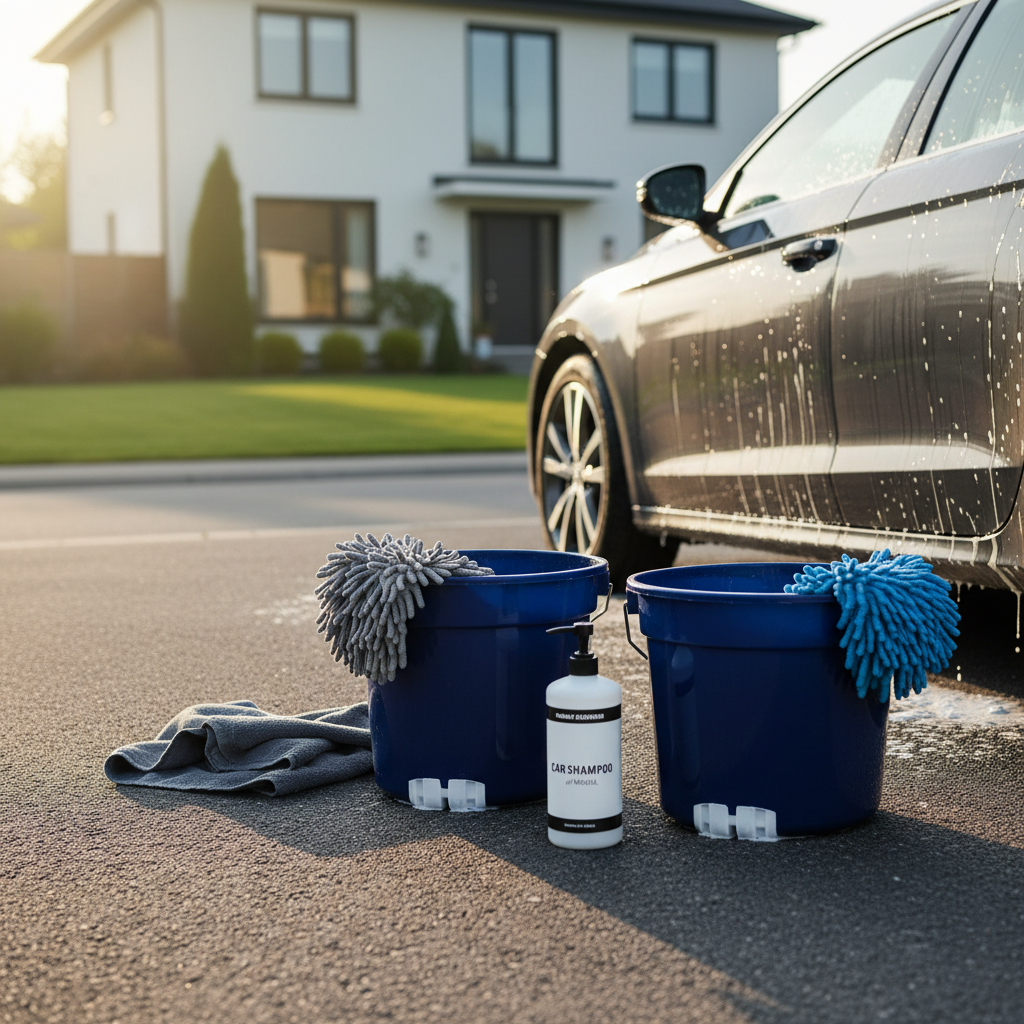
This guide keeps it practical: what to use, what order to wash in, how to reduce scratches, and how to know when you should stop and get help for paint issues that washing won’t fix.
Set Yourself Up: Tools That Actually Make a Difference
You can wash with almost anything, but if you want fewer swirls and less frustration, a few items do the heavy lifting. According to the International Carwash Association (ICA), proper washing and drying helps protect your vehicle’s finish and appearance, which is the whole point of doing this by hand.
- Two buckets: one for soapy water, one for rinsing your mitt
- Grit guards (optional but helpful): keeps sand at the bottom of each bucket
- Microfiber wash mitt: softer than sponges, holds suds, releases grit easier
- pH-balanced car shampoo: made for clear coat, rinses cleaner than dish soap
- Wheel cleaner (as needed) + separate wheel brush/mitt
- Microfiber drying towels or a car dryer/blower
- Spray sealant or drying aid (optional): adds slickness, reduces drying marks
One rule that saves paint: anything that touches wheels should never touch paint. Brake dust is basically sandpaper.
Pick the Right Time and Spot (This Prevents Half the Problems)
Many “my wash looks bad” complaints start before the first rinse. Heat and hard water make everything harder.
- Wash in shade or during cooler hours, panels should feel lukewarm
- Avoid windy days if possible, dust lands on wet paint fast
- Know your water: if you get mineral spots on glass at home, you likely have hard water
If you’re stuck in sun or hard water, plan to work in smaller sections and dry as you go. That’s not “extra,” it’s the difference between glossy and spotted.
The Safe Wash Order (So You Don’t Drag Dirt Across the Paint)
How to wash a car by hand properly is mostly about sequence. The cleanest areas get washed first, the dirtiest last, and your mitt gets rinsed constantly.
Step 1: Pre-rinse thoroughly
Rinse top to bottom, spend time on rocker panels and behind wheels. The goal is to float off loose grit before you ever touch the paint. If you have a foam cannon, foaming first can help soften heavy grime, but a good rinse still matters.
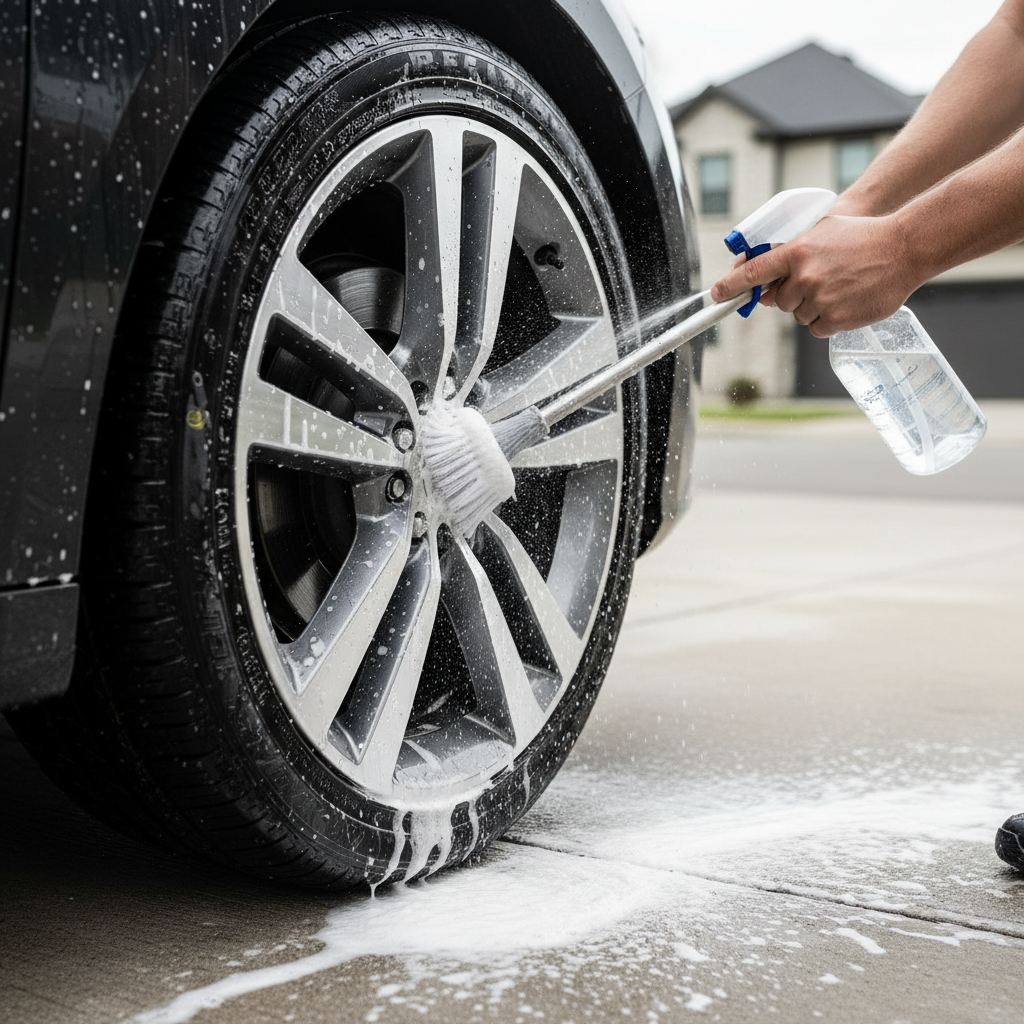
Step 2: Wheels and tires first (with separate tools)
Clean wheels/tires before paint so you don’t splash dirty wheel water onto a clean door. Rinse well. If your wheels are hot from driving, wait, some cleaners can stain or etch when used on hot surfaces.
Step 3: Contact wash with the two-bucket method
Soak the mitt in the soap bucket, wash a small section using straight-line passes, then rinse the mitt in the rinse bucket before going back to soap. Straight lines make any accidental marks less noticeable than circular scrubbing.
- Start with roof, glass, hood, upper doors
- Save bumpers, lower doors, rocker panels for last
- Use light pressure, let suds do the work
Step 4: Final rinse (sheeting helps)
A gentle “sheeting” rinse (less spray pressure, more water flow) can leave fewer beads and make drying faster. It’s not magic, but it reduces standing water on flatter panels.
Drying Without Streaks or Water Spots
Drying is where most hand washes fall apart. Letting water air-dry is an open invitation to minerals, especially with hard water.
- Dry immediately, starting with glass and horizontal panels
- Blot or glide with a clean microfiber drying towel, don’t grind
- Use a drying aid (spray sealant) for lubrication and easier towel movement
If you see spots forming while you dry, re-wet that area and dry again right away. Once mineral deposits bake on, they’re harder to remove and you may need a dedicated water spot remover.
Quick Self-Check: What’s Causing Your Swirls or Haze?
If your results look “almost clean” but not crisp, this checklist usually finds the issue fast.
- Swirl marks in sunlight: dirty mitt/towels, too much pressure, washing lower panels too early
- Streaky paint after drying: towel saturated, drying too slowly, soap not rinsing fully
- Water spots: hard water, washing in heat, letting rinse water sit on panels
- Rough paint feel after washing: bonded contaminants (tar/rail dust), washing won’t remove them
- Cloudy look on dark colors: micro-marring, old wax build-up, or towel linting
Be honest about towels: if they ever touched the ground, or they feel crunchy after washing, retire them from paint duty.
A Simple Process Table You Can Follow Every Time
If you want a repeatable routine, use this as your “no-brainer” flow.
| Stage | What to do | Common mistake |
|---|---|---|
| Pre-rinse | Rinse top-to-bottom, flush grit from lower areas | Quick splash rinse, then rubbing dirt into paint |
| Wheels/tires | Dedicated brush/mitt, rinse thoroughly | Using the same sponge on wheels and paint |
| Contact wash | Two buckets, straight-line passes, small sections | Big circular scrubbing, mitt never rinsed |
| Final rinse | Sheet water off panels to reduce beads | Leaving soap residue in crevices |
| Dry + protect | Microfiber drying, optional spray sealant | Air-drying in sun, causing water spots |
Practical Add-Ons: When to Clay, Wax, or Use a Sealant
Washing cleans loose dirt. It does not remove everything. If you want the “smooth and glossy” feel, you may need extra steps, just not every week.
Clay bar or clay mitt (occasionally)
If paint feels rough after a wash, claying can pull bonded contamination. Use proper clay lubricant and light pressure. If you’re unsure, test on a small area first, claying can add marring on softer paint and may require polishing afterward.
Wax vs. sealant vs. ceramic spray
- Wax: warm look, usually shorter durability
- Sealant: often longer-lasting, slick feel, easy application
- Ceramic spray: convenient, good water behavior, durability varies by product
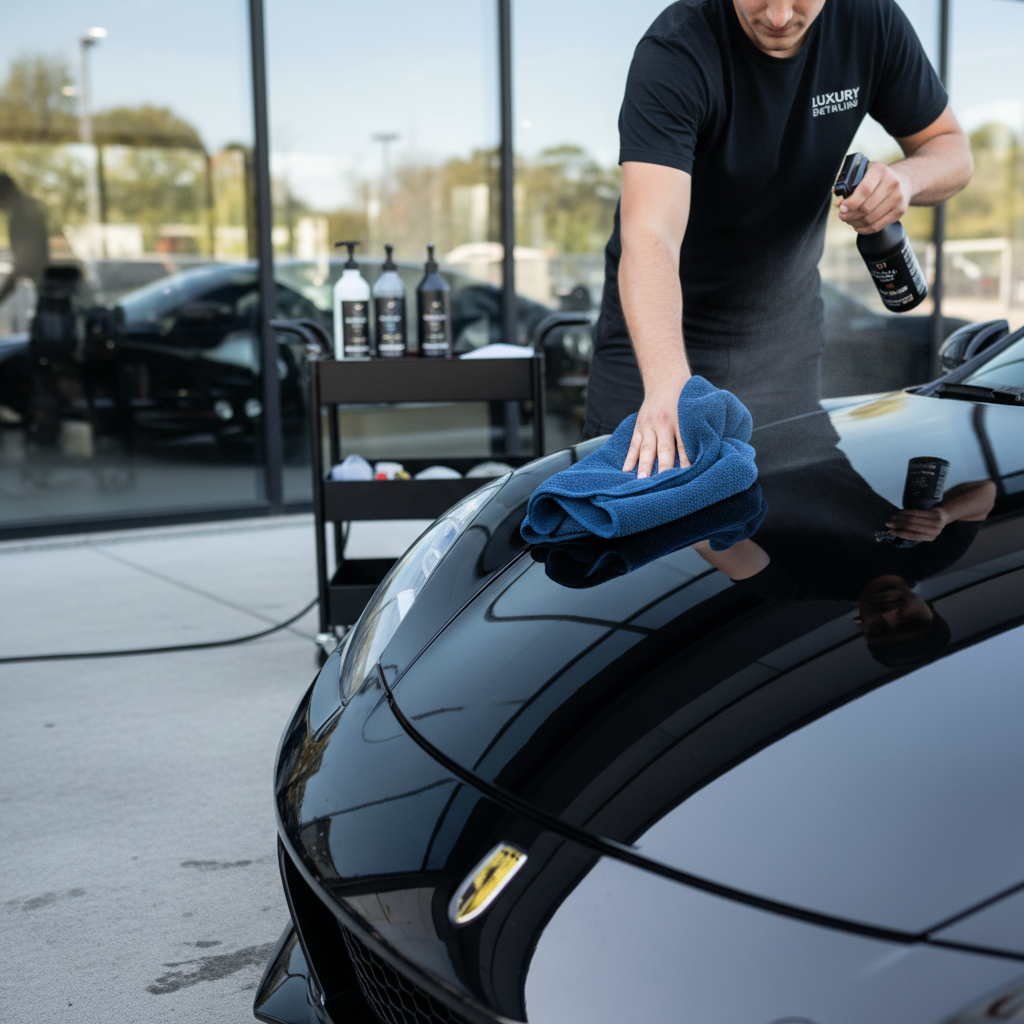
Key point: protection products make future washes easier because dirt releases faster, but they won’t hide scratches that are already there.
Common Mistakes That Quietly Damage Paint
- Dish soap as a habit: it can strip protection faster, leaving paint more exposed over time
- One bucket washing: you end up reloading grit onto the mitt, then rubbing it in
- Using bath towels or old T-shirts: fibers and seams can create fine scratches
- Washing in direct sun: soap dries early, leaves residue, spotting gets worse
- Not cleaning towels correctly: fabric softener can ruin microfiber absorbency
If you want to go faster without cutting corners, optimize setup, fill buckets, lay out towels, and keep tools within reach. Speed comes from fewer mistakes, not more pressure.
When It’s Worth Calling a Pro Detailer
Hand-washing fixes dirt, not defects. If you have any of the issues below, a pro detailer can save you time and prevent accidental damage.
- Deep scratches you can catch with a fingernail
- Etching from bird droppings, bugs, or water spots that won’t budge
- Oxidation or chalky paint on older vehicles
- Matte or satin finishes, which can require specialized products and technique
If you’re unsure what finish you have or what product is safe, asking a professional is usually cheaper than experimenting on a hood.
Conclusion: A Clean Car Without the “I Made It Worse” Feeling
How to wash a car by hand is less about fancy chemicals and more about clean tools, good order, and fast, careful drying. Start with a thorough rinse, keep wheel tools separate, use the two-bucket routine, and treat drying as part of the wash, not an afterthought.
If you do one thing today, upgrade your wash media and drying towels, then commit to rinsing the mitt often, those two changes tend to show up immediately in the finish.
FAQ
How often should I wash my car by hand?
Many people land around every 1–2 weeks, but it depends on parking, weather, and how quickly grime builds up. If you have bird droppings or bug splatter, cleaning sooner helps avoid etching.
Is the two-bucket method really necessary?
Not “necessary,” but it’s one of the simplest ways to cut down swirl marks. The rinse bucket gives dirt somewhere to go instead of staying in your wash mitt.
What soap should I use for hand washing?
A dedicated car shampoo is usually the safer bet because it’s designed for clear coat and tends to rinse clean. Dish soap can be harsh on wax or sealants if used repeatedly.
Can I wash my car with a pressure washer?
Yes, a pressure washer can help with pre-rinse and foam, but you still want a gentle contact wash to remove the film. Keep distance and avoid blasting directly into seals or sensitive trim if you’re unsure.
How do I avoid water spots when I have hard water?
Work in smaller sections, rinse and dry quickly, and consider a drying aid to reduce towel drag. If hard water is constant where you live, a simple inline filter may help, though results vary by setup.
Why does my paint feel rough even after washing?
That roughness is often bonded contamination like tar or industrial fallout. Washing won’t remove it, claying might help, and if the paint is sensitive, a pro can advise on the least aggressive approach.
What’s the safest towel for drying a car?
A plush microfiber drying towel is the common go-to because it’s absorbent and gentle. The “safest” option still depends on keeping it clean and free of grit.
If you’re trying to get consistent results but keep running into streaks, spots, or mystery swirls, it may help to simplify your routine and upgrade just a couple of essentials, a quality mitt, proper microfiber towels, and a soap that rinses clean, then build from there once your baseline wash looks right.