
Best car window tint film for heat reduction usually means you want two things at once: a noticeably cooler cabin and strong UV protection without turning your car into a dark cave.
If you have ever parked outside for 20 minutes and then grabbed the steering wheel, you already know why this matters, heat stress is real, interiors fade, and AC has to work harder than it should.
This guide breaks down the tint types that actually reduce heat, how to read the specs that installers use, what to choose for different driving habits, and the legal and safety stuff most people only learn after a ticket or a failed inspection.
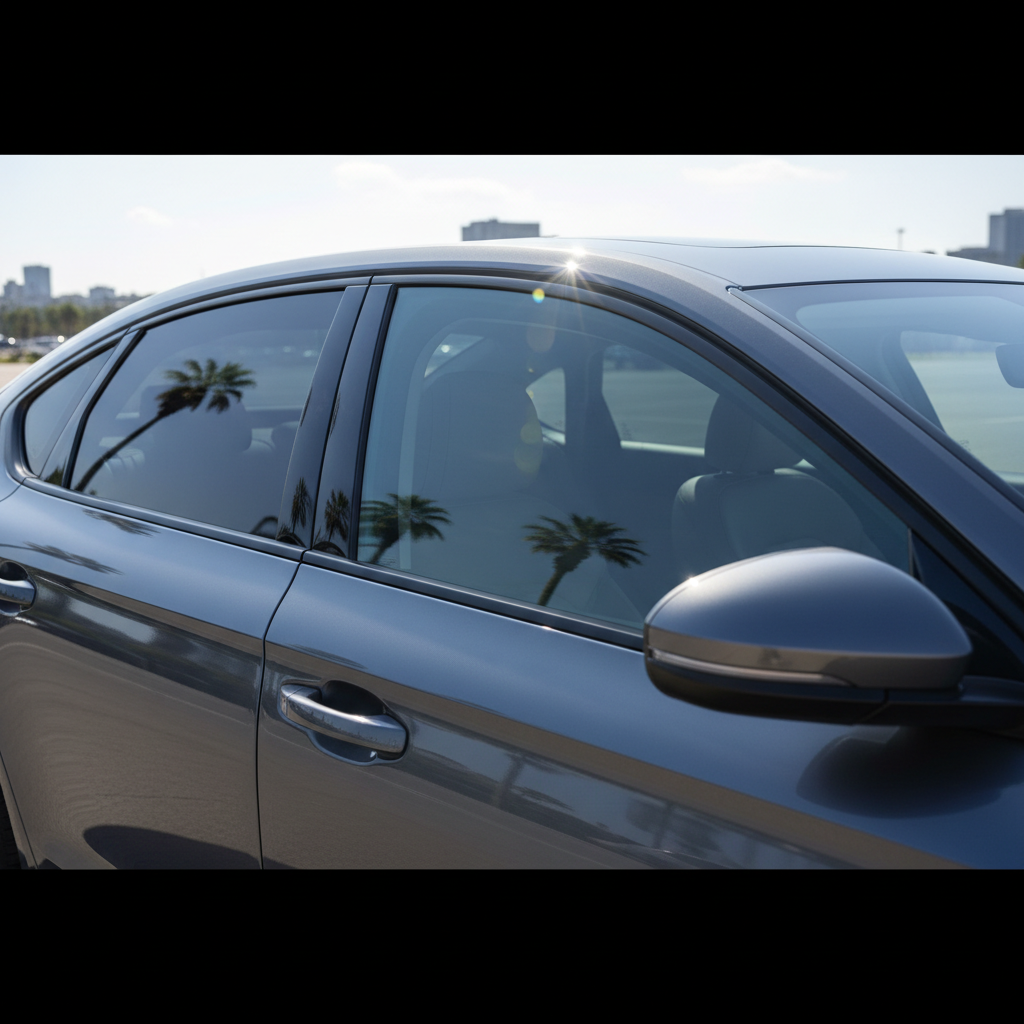
What really makes a tint “best” for heat and UV
Heat reduction comes mostly from how a film handles infrared (IR) energy, while UV protection depends on how well it blocks ultraviolet radiation. Visible darkness helps with glare, but darkness alone is not the same as heat control.
When shoppers say they want the best car window tint film for heat reduction, they often focus on how dark it looks, then feel disappointed later. The better shortcut is to look at a few lab-style metrics that brands and installers use.
- IR Rejection: How much infrared heat gets blocked. Higher usually feels cooler.
- TSER (Total Solar Energy Rejected): A broad “how much sun energy is rejected” score, more practical than IR alone.
- UV Rejection: Look for very high UV blocking for skin and interior protection.
- VLT (Visible Light Transmission): How much light passes through, lower VLT equals darker glass.
- Glare reduction: Comfort and eye strain, especially for commuters.
According to U.S. Food & Drug Administration (FDA) guidance on sun exposure, UV radiation can contribute to skin damage, so high UV rejection is not just a cosmetic feature, it can matter for people who spend lots of time driving.
Ceramic vs carbon vs dyed vs metalized: what to pick (and why)
You can narrow most options into four families. The “best” depends on budget, phone signal concerns, and whether you care more about maximum heat performance or “good enough” comfort.
Ceramic film (often the top pick for heat reduction)
Ceramic tints typically deliver strong IR and TSER without needing super-dark VLT, so you can stay closer to legal limits and still feel a difference. They also tend to avoid signal issues.
- Pros: Strong heat rejection, excellent clarity, typically minimal interference with GPS/cell/radio.
- Cons: Higher cost, quality varies a lot by brand and installer.
Carbon film (solid value option)
Carbon film can reduce heat better than dyed film and usually looks more “factory” than bargain tints. Many drivers land here when they want comfort gains without premium pricing.
- Pros: Better heat control than dyed, stable appearance, often mid-priced.
- Cons: Usually not as strong as ceramic on peak IR performance.
Dyed film (mostly for looks and glare)
Dyed film can help with glare and privacy, but it is not where you typically get the best car window tint film for heat reduction. In hot states, people often re-tint after one summer.
- Pros: Lowest cost, decent glare reduction.
- Cons: Weaker heat reduction, may fade or shift color over time depending on quality.
Metalized film (heat help, but watch electronics)
Metalized films can reflect heat well, but they may interfere with signals. If you rely on toll tags, GPS accuracy, or consistent mobile data, ask the shop before committing.
- Pros: Good solar rejection, durable surface.
- Cons: Possible interference with GPS, cell, radio, and some in-glass antennas.
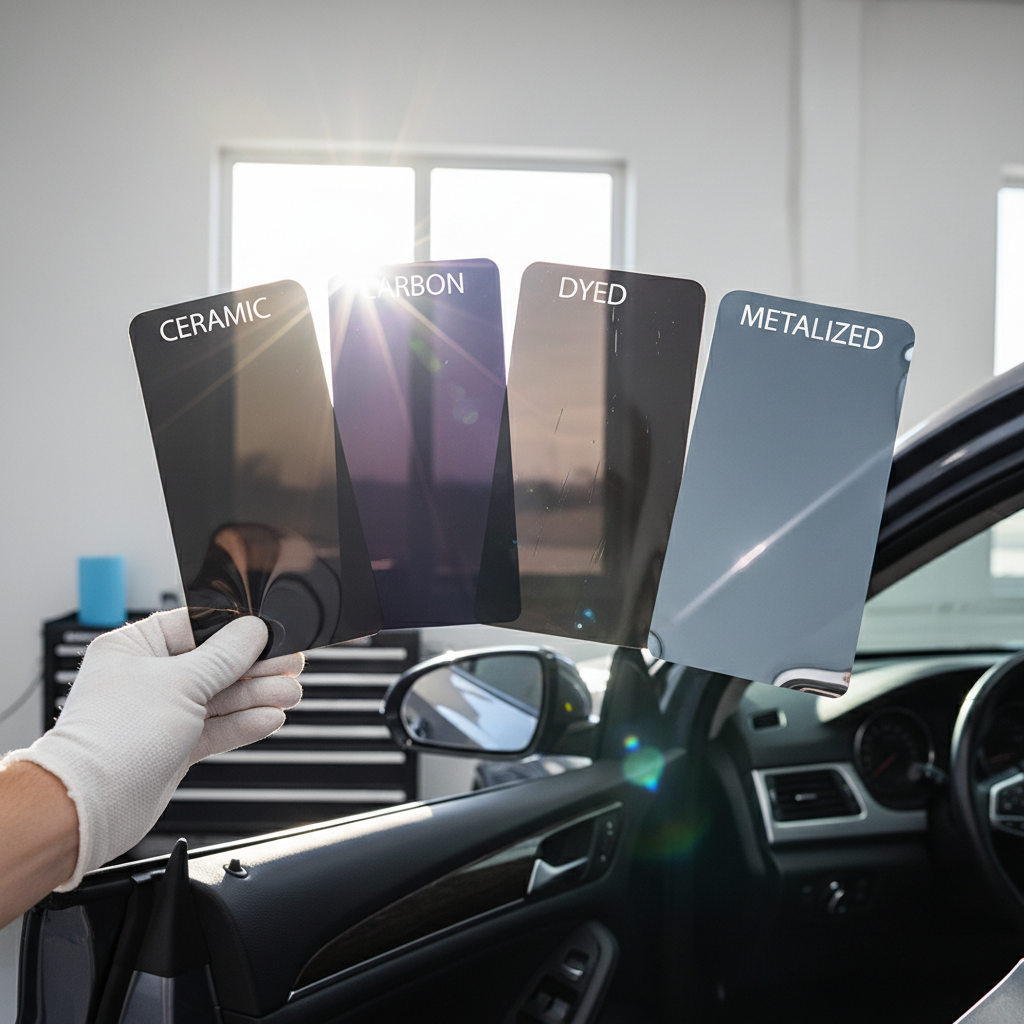
Quick comparison table: heat reduction, UV, cost, and trade-offs
Specs vary by brand, so treat this as a shopping map, not a promise. Your installer can show the exact film line and its rated TSER/IR numbers.
| Tint type | Heat reduction potential | UV protection | Signal risk | Typical price feel |
|---|---|---|---|---|
| Ceramic | High | High (often excellent) | Low | $$$ |
| Carbon | Medium to high | High (varies) | Low | $$ |
| Metalized | Medium to high | High (varies) | Medium to high | $$ |
| Dyed | Low to medium | Medium (varies) | Low | $ |
A simple self-check: what “best” means for your car and your driving
Before you compare brands, get clear on your use case. The same film that feels perfect for a Phoenix commute can be overkill for a mostly-garaged car in Seattle.
- You park outdoors daily in strong sun: prioritize ceramic or high-performing carbon, focus on TSER/IR ratings.
- You do long highway drives: add glare reduction and optical clarity to your priority list.
- You have kids, pets, or sensitive skin: keep UV rejection high, consider lighter VLT with ceramic so visibility stays comfortable.
- You rely on toll tags and stable GPS: avoid metalized unless the shop confirms compatibility.
- You mainly want privacy: VLT and legality matter most, heat reduction becomes secondary.
One more practical point, if your windshield is not tinted (or only has a top strip), you may still feel heat on your face and hands. Many shops offer a clear or very light film for the windshield where legal, which can change comfort a lot without looking dark.
How to choose a film using specs (without getting lost)
Film spec sheets can feel like alphabet soup. The trick is to choose two or three numbers you trust, then ignore the marketing noise.
1) Start with legality, then pick the lightest VLT you can live with
Window tint laws vary by state, and sometimes by vehicle type. In many cases, the front side windows have the strictest limits. If you want the best car window tint film for heat reduction and you also want peace of mind, stay compliant, it prevents costly rework.
According to International Window Film Association (IWFA), tint laws differ widely and can change, so checking your state rules and asking the installer to confirm before install is the safer path.
2) Use TSER as your “real-world heat” anchor
IR rejection is useful, but it can be reported at different wavelengths, which makes comparisons messy. TSER is not perfect, but it often tracks better with “does the cabin feel cooler.”
3) Confirm UV rejection and warranty terms
Most reputable automotive films block a high amount of UV, but not all warranties cover bubbling, discoloration, or adhesive failure the same way. Ask what is covered, for how long, and whether the warranty is transferable if you sell the car.
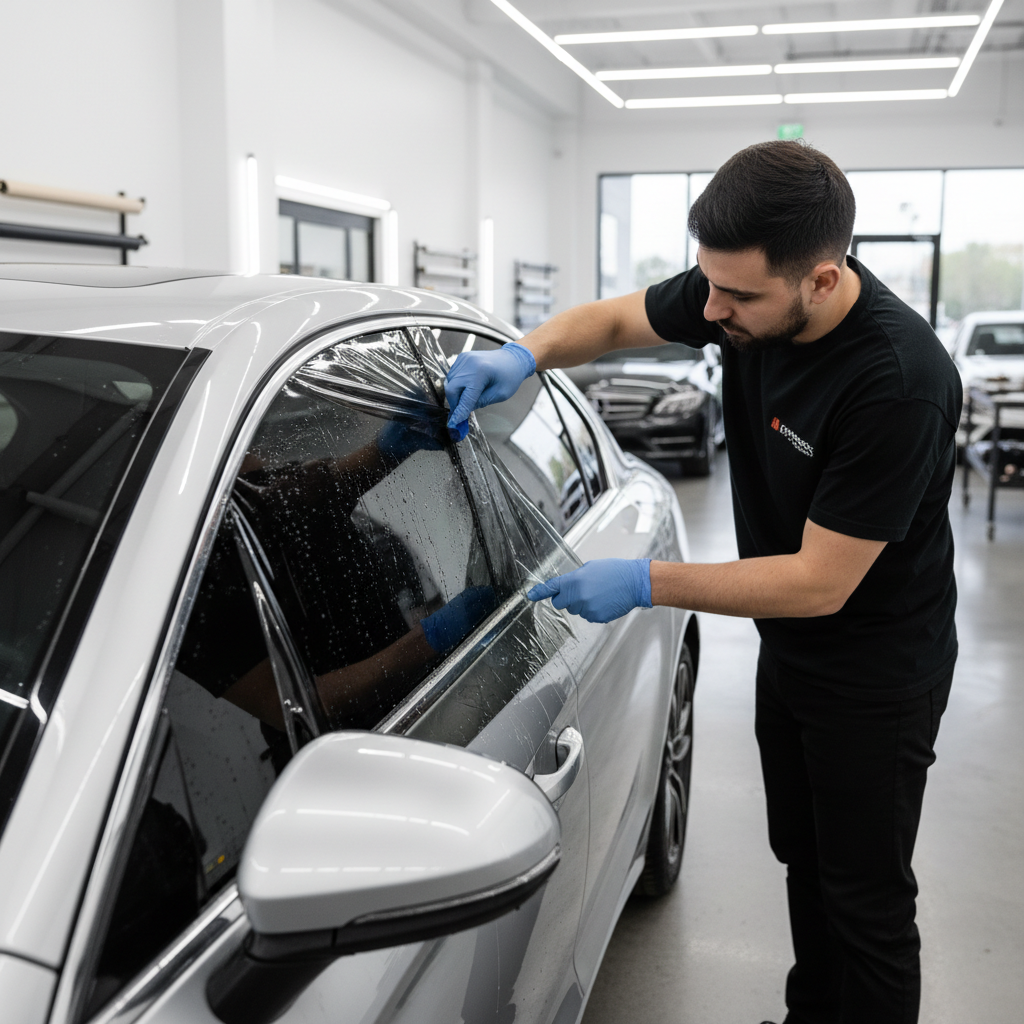
Installation and maintenance tips that affect performance
Even premium film can disappoint if install quality is sloppy. Most complaints about haze, peeling edges, or bubbles trace back to prep and technique, not the film category.
- Choose an experienced installer: Ask how many vehicles they tint weekly and whether they cut film on the glass or use pre-cut patterns.
- Inspect sight lines: Check the driver and passenger windows from multiple angles before you pay, minor “curing” haze can happen, but contamination specks usually do not vanish.
- Respect cure time: Many shops recommend keeping windows up for a few days, and avoiding aggressive cleaning early on.
- Use tint-safe cleaners: Ammonia-free products help protect the film and adhesive.
If your goal is heat reduction, pairing tint with a simple habit helps too: use a sunshade when parked and crack windows slightly where safe and legal, those small moves reduce heat soak so the film does not have to do everything.
Common mistakes (and how to avoid them)
Most people do not choose “wrong” because they picked the wrong brand, they choose wrong because they optimize for the wrong outcome.
- Buying the darkest tint thinking it equals coolest: darker can feel cooler, but ceramic at a legal VLT often outperforms a cheap dark dyed film.
- Ignoring windshield heat: if legal in your area, a light or clear windshield film may improve comfort without reducing night visibility much, ask your installer.
- Chasing one number: IR rejection marketing can be cherry-picked, use TSER and UV as a balancing check.
- Forgetting night driving: if you drive unlit roads, very low VLT on side or rear glass may reduce visibility, especially in rain.
- Skipping documentation: keep the film card and receipt, it matters for warranty and for inspections in some areas.
When to ask a pro (and what to ask)
If you have a medical sensitivity to sunlight, a history of skin issues, or you are trying to reduce exposure for a child, it is reasonable to ask a healthcare professional for personalized advice. Tint helps, but it is not a complete UV strategy on its own.
From the shop side, ask these questions and listen for clear, specific answers.
- Which film line are you installing, and can I see the spec sheet for my VLT choice?
- What are the TSER and UV rejection ratings for this shade?
- Will this film interfere with my vehicle antennas, GPS, or toll tag?
- What does the warranty cover, and what voids it?
Conclusion: a practical pick for most drivers
If your main goal is staying cooler, ceramic film is often the most straightforward answer because it can deliver strong heat reduction and UV protection without forcing a very dark VLT. Carbon can be a smart value choice when budget matters, while dyed film is better viewed as a privacy and glare option rather than a heat solution.
Two action steps that usually save money and regret, check your state tint limits before you book, then compare films using TSER and UV rejection instead of just “how dark it looks.”
Key takeaways
- Heat reduction tracks more with TSER and IR performance than darkness alone.
- Ceramic is commonly the best fit for hot climates and drivers who want lighter, legal shades.
- Install quality can make or break results, choose the shop as carefully as the film.
FAQ
What is the best car window tint film for heat reduction if I want a lighter shade?
Many drivers end up with a ceramic film in a legal, lighter VLT because it can block a lot of heat without looking very dark. Ask for the TSER rating on the exact shade you are considering.
Does window tint block UV enough to matter?
High-quality automotive film often provides strong UV blocking, which may help reduce sun-related wear on interiors and reduce UV exposure while driving. If you have specific health concerns, it is smart to consult a medical professional.
Is ceramic tint worth the extra cost?
Often yes when heat comfort is the priority, especially in sunny states or for cars parked outdoors. If you mainly want privacy and mild glare reduction, carbon or even dyed can be “good enough.”
Will metalized tint mess with my phone signal or GPS?
It can in some vehicles and setups. If you use toll tags or have in-glass antennas, bring it up before install and consider ceramic or carbon if reliability matters.
What tint specs should I ask the installer to show me?
Request VLT for legality, TSER for overall heat rejection, UV rejection for protection, and warranty details. If they cannot provide a spec sheet, that is a yellow flag.
Can I tint my windshield for heat reduction?
Rules vary by state, and many places restrict windshield tint beyond a top strip. Where allowed, a clear or very light film can reduce heat and UV without darkening, but confirm legality with the installer.
How long does tint last in hot climates?
It depends on film quality, install skill, and sun exposure. Higher-end films and good prep usually last longer, and a solid warranty helps if issues like bubbling or discoloration show up.
If you want an easier way to pick without second-guessing
If you are trying to choose the best car window tint film for heat reduction but the spec sheets and state limits feel annoying, a good local tint shop can narrow it fast, tell them your state, where you park, and whether you care about signal interference, then ask them to recommend one ceramic and one carbon option with the exact TSER and VLT.