
Best car trash cans with compartments solve a problem most drivers recognize the moment they clean their cup holders: fast-food wrappers, receipts, wet wipes, and mystery crumbs all end up in one sticky pile. A divided bin keeps trash and “not really trash” items separated, so you’re not fishing around for a charger under a banana peel.
The value is simple, you clean less often, and when you do clean, it’s quicker. Compartments also help when you’re trying to recycle on the go or keep “dry” trash away from spill-prone items like coffee cups and kids’ snack packs.
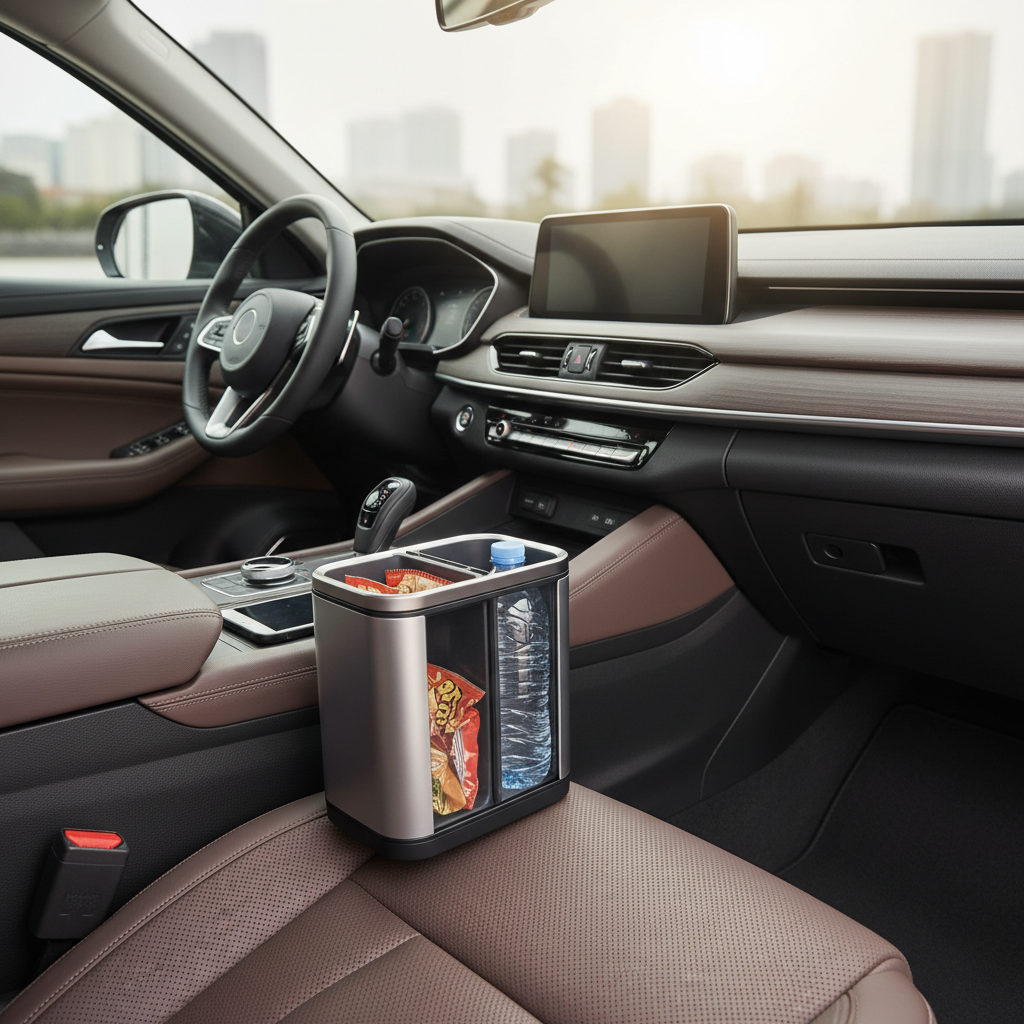
One quick misconception, though: “compartments” doesn’t automatically mean it’s better. If the liner leaks, the lid won’t stay closed, or the mounting is awkward, you’ll stop using it. This guide is about choosing a multi-use setup that actually fits your driving routine.
What “compartments” really mean in a car trash can
In practice, you’ll see three common designs, and each works better for different habits.
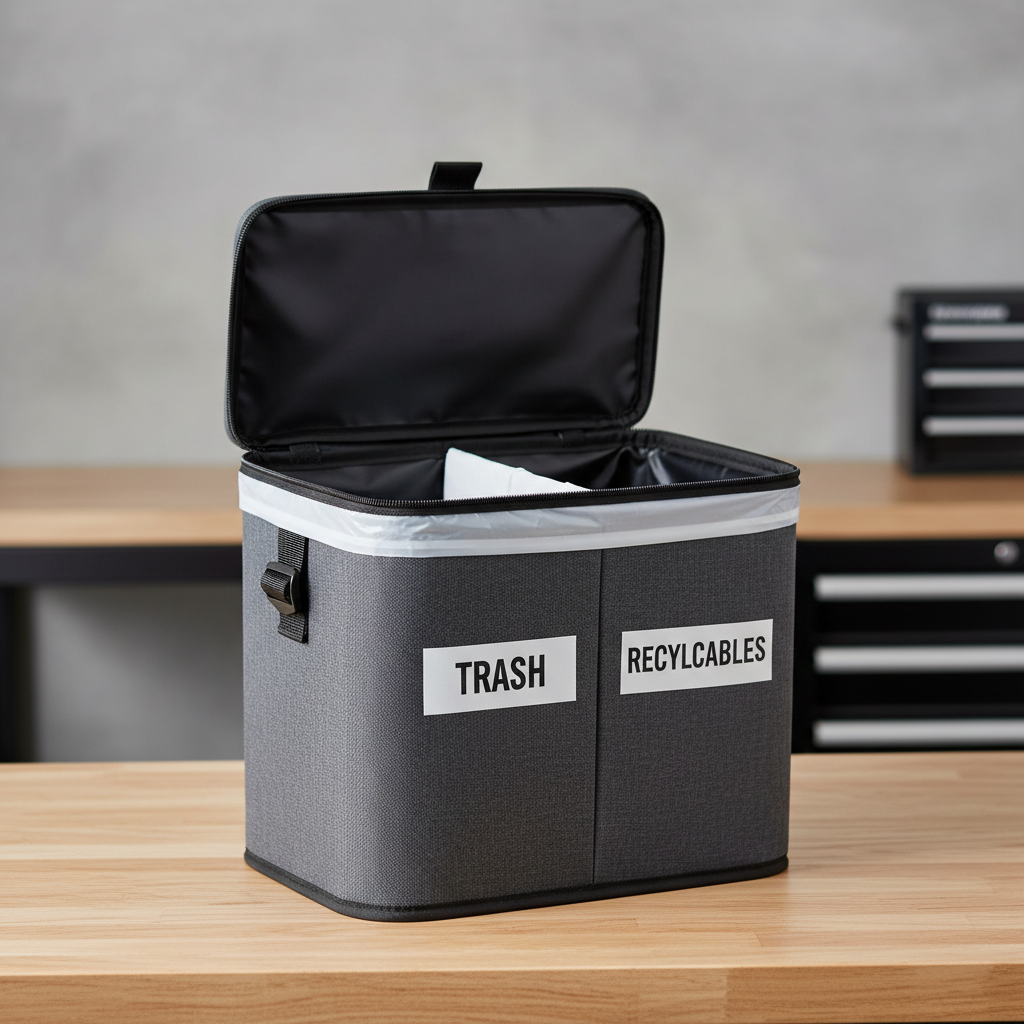
- Hard divider (two chambers): best when you truly separate trash vs. recyclables, but each side has less capacity.
- Removable inner bins: easier to empty and rinse, often more stable, usually costs a bit more.
- Pockets plus one main bin: technically “multi-use,” great for tissues, wipes, dog bags, but it’s not true sorting.
If you care about odor control, the divider matters less than the lid seal and liner quality. For families, the key tends to be spill resistance and one-handed access.
Quick comparison table: pick the right style fast
Use this as a shortcut before you get lost in product listings.
| Use case | Best compartment style | Ideal mounting | What to watch for |
|---|---|---|---|
| Daily commuting, coffee cups, receipts | Hard divider or pockets + main bin | Center console / passenger footwell | Lid that stays shut over bumps |
| Family car, snacks, wipes, frequent mess | Removable inner bins | Back of seat / floor behind console | Leakproof liner, easy emptying |
| Road trips, mixed trash + recyclables | Two chambers with larger total volume | Passenger footwell or cargo area | Capacity, stable base, odor control |
| Rideshare or work vehicle | Structured bin with tight lid | Back of seat + removable bag | Professional look, fast bag changes |
How to tell if you need a compartment bin (or just a better liner)
People buy divided bins and then realize they only needed a less annoying trash setup. This quick self-check helps.
A simple checklist
- You regularly carry bottles/cans and want to separate them from food waste.
- Your trash often includes wet items (half-full cups, fruit peels, kid drink pouches).
- You keep “car essentials” near trash (wipes, dog bags, hand sanitizer) and want them clean and reachable.
- You hate emptying because the bag slides down or the bin collapses.
- You’ve had odor issues and you want a lid that seals reasonably well.
If your trash is mostly dry receipts and wrappers, a single-compartment bin with a strong bag retention ring might feel just as “clean” with fewer tradeoffs.
Key features that matter more than brand names
Listings love to shout “waterproof” and “multi-use,” but a few practical details decide whether it becomes part of your routine.
- Leak resistance: look for a rigid inner bucket or a liner that’s thick enough to resist pinholes. Fabric bins can work, but only if the lining is truly sealed and seams look reinforced.
- One-handed lid: flip-top or push lids are easier while parked; avoid lids that require two hands to align.
- Bag retention: a clamp ring or inner rim keeps the bag from collapsing into the bin, especially when one compartment fills faster.
- Stable mounting: straps are convenient, but they can swing and spill; floor bins need anti-slip bases; console bins must not block shifters or controls.
- Cleaning realism: removable inner bins and smooth plastic surfaces are easier to rinse than stitched fabric corners.
According to NHTSA, loose items in a vehicle can become projectiles in a crash, so a trash can that mounts securely is more than a cleanliness upgrade, it’s also a clutter-control move that may reduce risk.
Best car trash cans with compartments: recommended picks by scenario
I’m not going to pretend there’s one perfect model for every car. What works best depends on where you want it to sit and what kind of mess you actually generate. Here are the configurations that usually satisfy most shoppers.
1) Two-chamber rigid bin for real trash + recycling separation
Choose this if you want a true split and you’re okay with a slightly larger footprint. It’s usually the best “set it and forget it” option for road trips.
- Best placement: passenger footwell (upright) or behind the center console
- Look for: removable buckets, non-slip base, lid that clicks shut
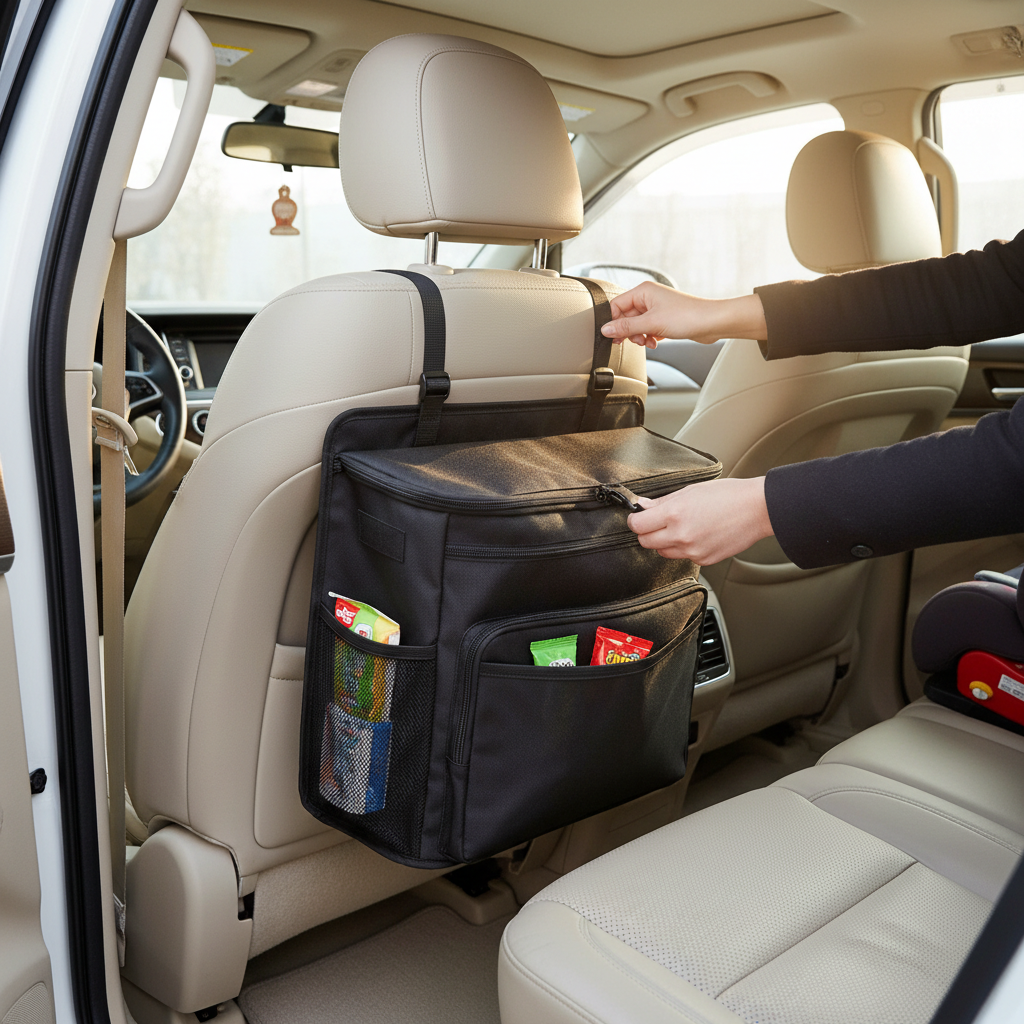
2) Slim seat-back bin with compartments and side pockets
This style fits family cars and rideshare setups because it keeps trash off the floor and gives passengers their own access. The side pockets are surprisingly useful for tissues and wipes.
- Best placement: back of front seat, centered for rear passengers
- Look for: strong strap hardware, reinforced top frame, easy bag swap
3) Console-friendly compact bin with divider + “dry storage” section
If your front seats are tight, a smaller divided bin can still be worthwhile when one side holds mini trash bags and the other holds small trash. It’s less about capacity, more about convenience.
- Best placement: cup holder area (if designed for it) or center console gap
- Look for: narrow base, lid that doesn’t hit armrests, quiet operation
Setup tips so you actually use it every day
The difference between “nice accessory” and “why didn’t I do this sooner” usually comes down to setup.
- Assign each compartment: for example, left side food trash, right side bottles. If you don’t label it mentally, it turns into one bin fast.
- Use two small bags: instead of one big liner. It keeps each side easy to pull and prevents cross-contamination.
- Add a tiny stash: keep 3–5 spare bags in the pocket/compartment so you never run out at the worst moment.
- Choose a “dump rhythm”: gas station stops, weekly car wash, or Sunday night. Consistency beats capacity.
If odor is your main issue, consider adding a small baking-soda odor absorber or using scented bags, but keep expectations realistic, closed spaces heat up and smells build quickly in summer.
Common mistakes that make compartment bins annoying
- Buying too big for your cabin: if it blocks legroom, passengers kick it, then it tips, and you stop trusting it.
- Assuming “waterproof” means spillproof: many fabric liners resist moisture, but seams and zippers can still leak. If you carry liquids, a rigid insert matters.
- Over-sorting in a tiny bin: two compartments are plenty; three or four sections often means each fills instantly.
- Mounting it where you can’t reach: if the driver can’t use it while parked, trash ends up in the door pocket again.
Also, if you drive with kids or pets, avoid bins with hard edges placed where a sudden stop could cause contact. If you’re unsure what’s safe for your vehicle layout, it may be worth asking a local installer or your dealership service advisor.
Key takeaways and a practical next step
A compartment bin works best when it matches your mess pattern, not when it looks “most premium” online. Focus on mounting stability, bag retention, and cleaning ease, then pick the size your cabin can actually tolerate.
If you want a quick action step, measure the spot where you plan to place it, then choose between a rigid two-chamber bin for true sorting or a seat-back bin if you need passenger access. That’s usually the decision that makes everything else easier.
FAQ
What size compartment car trash can should I buy for an SUV?
Many SUVs can handle a larger bin in the passenger footwell or behind the center console, but “bigger” only helps if it stays stable. If it slides, a medium rigid bin with a non-slip base often feels better than a tall, wobbly option.
Are best car trash cans with compartments worth it if I don’t recycle in the car?
Often yes, but not for recycling reasons. A divider can separate wet vs. dry trash, or trash vs. essentials like wipes and dog bags, which is what most people appreciate day to day.
Do fabric compartment trash cans leak?
They can, especially around seams and zippers. If your trash regularly includes liquids or very wet food waste, a model with a rigid inner bucket or truly sealed liner is the safer bet.
Where should I mount a trash can so it doesn’t become a safety hazard?
Aim for a secure mount point where it won’t interfere with pedals, shifter, or airbags. According to NHTSA, loose objects can be dangerous in a crash, so a strapped or non-slip setup is preferable to a bin that slides freely.
How do I keep a divided car trash can from smelling?
Empty it more often than you think you need to, especially in warm weather. Using two small bags, keeping wet waste isolated, and occasionally wiping the lid and rim usually does more than relying on fragrance alone.
Can I use one compartment for cleaning supplies?
Yes, many people do. Just keep liquids tightly closed and consider a small pouch so bottles don’t rattle or tip, and avoid mixing chemicals if you’re carrying strong cleaners.
What’s the easiest style to empty quickly at a gas station?
Removable inner bins or a strong bag retention ring makes the fastest “grab and go” dump. Seat-back models can be convenient too, but only if bag changes are simple and the opening isn’t cramped.
Do compartment bins work in sedans with limited space?
They can, but compact console bins or slim seat-back designs tend to fit better than tall floor bins. In many sedans, stable placement matters more than total capacity.
If you’re trying to keep a cleaner cabin without turning every errand into a mini detail session, start with a compartment layout that matches your real habits, then prioritize a secure mount and easy emptying, those two choices usually decide whether the bin earns a permanent spot in your car.