
The best car trash can for back seat use is the one that stays put, seals liquids, and is easy to empty without touching old food, sticky cups, or mystery crumbs.
If you drive with kids, pets, rideshare passengers, or even just a daily coffee habit, back seat clutter tends to snowball fast, wrappers slide under seats, and the “I’ll toss it later” pile becomes a smell problem. A good back-seat trash can is less about looking tidy and more about stopping leaks and keeping your cabin from feeling gross.
This guide breaks down what actually matters when you shop: leak-proof design, mounting style, capacity, liner options, and cleaning. I’ll also share a quick self-check so you don’t overbuy, plus a simple setup routine that keeps things working week after week.
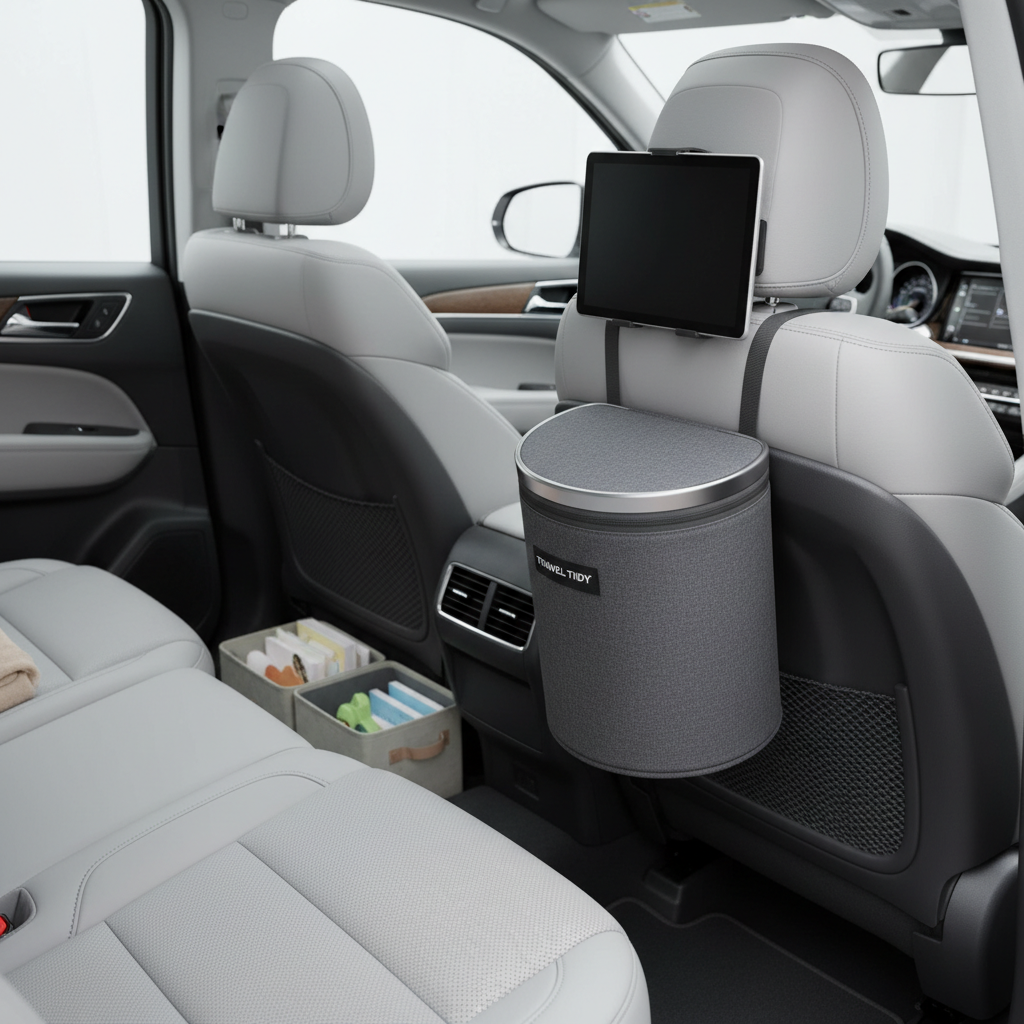
What makes a back-seat car trash can “leak-proof” (and what doesn’t)
“Leak-proof” gets used loosely in listings, so it helps to translate it into real-world behavior: can it hold a half-melted ice cup or a wet napkin without seeping into your carpet? In many cases, true leak resistance comes from a combination of materials and closures, not a single feature.
- Sealed inner liner or waterproof coating: Look for TPU/PVC-lined interiors or a removable waterproof bucket-style liner. Fabric-only interiors can soak and start to smell.
- A real closure at the top: Drawstring openings help with visibility but often splash when you brake. A flap with magnets, a zipper, or a snap lid usually contains liquids better.
- Seam construction: Stitched seams can wick moisture. Welded seams or a one-piece liner tends to perform better with drips.
- Rigid-ish base: Soft bags collapse and tip, especially on bumpy roads. A structured bottom keeps it upright.
One more practical point: “leak-proof” is not “odor-proof.” If you toss milk, protein shake bottles, or wet food containers, the can may not leak, but it can still smell unless you empty and wipe it regularly.
Common back seat mess scenarios (and the trash can type that fits)
Most people buy the wrong product because they shop by looks, not by their mess pattern. Match the can to the mess you actually create.
- Kids + snacks: Go bigger, with a lid that closes one-handed. You want fast tosses, not a fiddly zipper every time.
- Rideshare / carpool: Prioritize a clean look, easy liner changes, and a mounting system that won’t swing into passengers’ legs.
- Daily commuter + coffee: Medium capacity, strong leak resistance, and a stable base so it doesn’t tip when you corner.
- Road trips: Larger capacity plus side pockets for wipes and spare liners, because stops can be far apart.
If you’re frequently dealing with liquids, “bag style” trash cans can work, but a more rigid bin-with-liner design tends to be less stressful to empty.
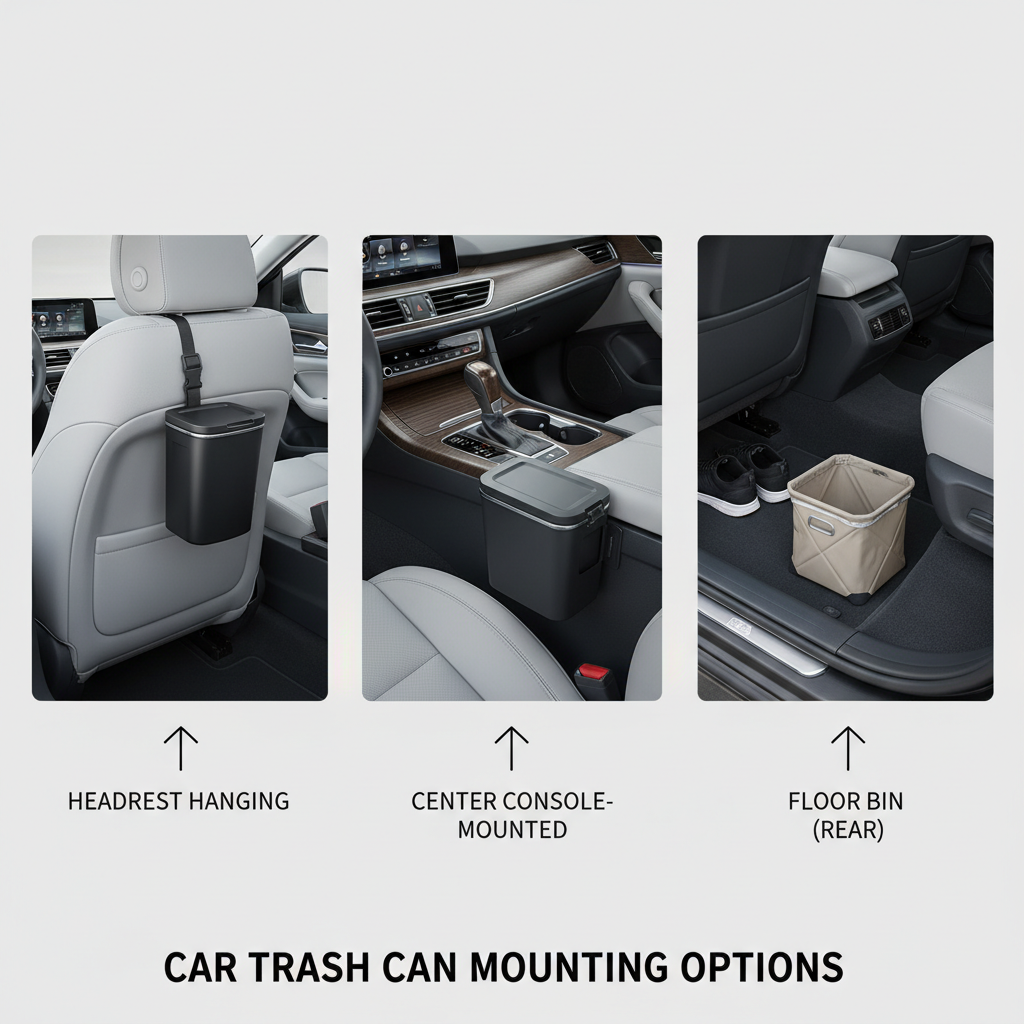
Quick checklist: choosing the best size and mounting for your back seat
Before you buy, answer these questions. It sounds basic, but it prevents the two classic failures: a can that gets in the way, or a can so small nobody uses it.
- Who sits in the back most often? Adults need legroom, kids need reach.
- Where will it live? Behind front seat, on the floor, or at the back of the center console.
- Do you toss liquids? If yes, you want a liner + closure, not an open-top bin.
- How often will you empty it? If you know you’ll forget, size up a bit.
- Do you want it hidden? Seat-back hangs can be discreet; floor bins are easier to kick.
Mounting reality check: Headrest-strap hanging is popular because it uses “dead space,” but some vehicles have angled seat backs where the bag swings. In that case, a can that anchors at two points (headrest + bottom strap) feels more stable.
Feature comparison table: what to look for (and what to skip)
Here’s a practical way to compare options when every product page claims the same benefits. Use this as a filter before you fall into reviews.
| Feature | Why it matters in the back seat | Good sign | Watch out for |
|---|---|---|---|
| Waterproof liner | Stops spills from reaching carpet | Removable liner or coated interior | “Water-resistant fabric” with no liner |
| Lid/closure | Contains liquid slosh + smell | Magnetic flap, zipper, or snap lid | Wide open top if you carry drinks |
| Mounting straps | Prevents swinging into passengers | Adjustable straps + bottom anchor | Single strap only, thin hooks |
| Rigid base | Keeps shape, reduces tipping | Structured bottom panel | Fully soft bag that collapses |
| Liner compatibility | Makes emptying less gross | Fits common small/medium bags | Odd dimensions requiring custom liners |
| Easy-clean interior | Odor control over time | Smooth wipeable surfaces | Textured fabric inside that traps residue |
How to set it up so it actually gets used (and stays clean)
Even the best car trash can for back seat setups fails if it’s annoying to use. A quick install plus a simple routine usually does more than chasing “premium” materials.
Step-by-step setup
- Place it where hands naturally reach: behind the front passenger seat is common, but if a child sits behind that seat, you may want it centered near the console area.
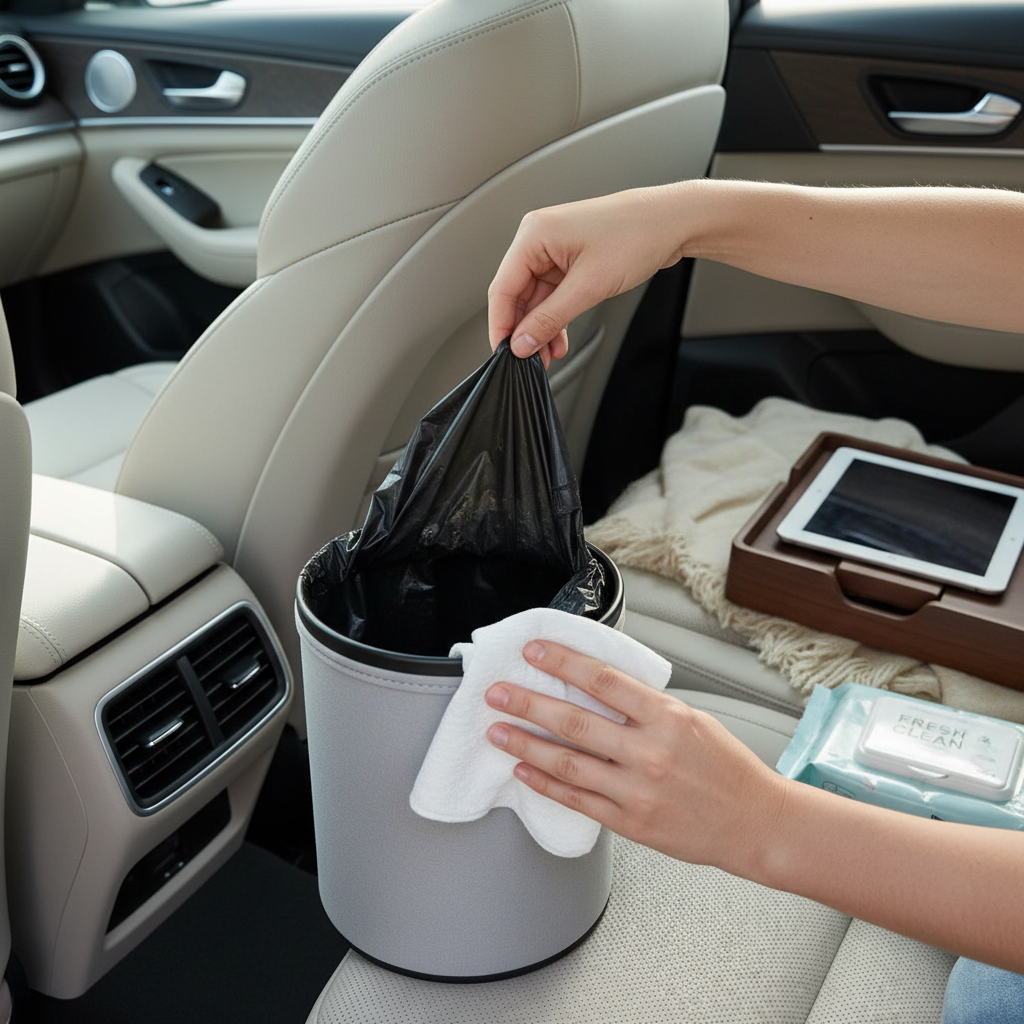
- Add a liner on day one: even if the can has a waterproof interior, a liner keeps sticky stuff off the seams and speeds up emptying.
- Stabilize the bottom: use any bottom strap, or wedge the base so it can’t swing. Swinging is why people stop using it.
- Keep “trash tools” nearby: a small pack of wipes and two spare liners in a side pocket reduces the chance of a spill turning into a smell week.
A low-effort maintenance routine
- Daily: dump obvious food trash when you get gas or park at home.
- Weekly: wipe the liner and rim where hands touch most.
- After spills: remove liner, rinse, and dry fully before reinstalling to reduce mildew risk.
According to CDC, cleaning and disinfecting high-touch surfaces can help reduce spread of germs in shared spaces; in a car, the trash can rim and lid are classic high-touch spots, especially with kids or rideshare use.
Key points and common mistakes that waste money
- Don’t buy a huge can if passengers need legroom: it will get kicked, tip over, and stop being used.
- Don’t rely on “water-resistant” fabric for drink waste: condensation and half-full cups find seams quickly.
- A lid matters more than people expect: even a simple flap reduces visual clutter and helps with odor.
- Overstuffing creates leaks: once trash presses against the top, liquids smear around the closure and escape during turns.
- Ignoring the liner fit is a pain later: if standard bags don’t fit, you will procrastinate emptying.
If your main pain is chronic spills, it may be worth pairing the trash can with a rubber rear floor mat. That’s not required, but many households find it reduces anxiety around “one accident ruins the carpet.”
When it’s worth upgrading or getting professional help
If you smell persistent sour or mildew odors even after cleaning the can, the problem may be below it: soaked carpet padding, a spill that ran under trim, or residue in seat tracks. In that situation, upgrading to a more sealed bin helps going forward, but it won’t fix what already absorbed into soft materials.
For strong odors, visible mold, or if someone in the household has allergies or asthma, consider asking a professional detailer for an interior assessment. They can often shampoo and extract moisture from areas you can’t reach safely. If you’re unsure which cleaners are safe for your upholstery, checking the owner’s manual or consulting a detail professional is usually the least risky move.
Conclusion: how to pick confidently
A back-seat trash can only feels “best” when it matches your daily mess and your car layout. If you want fewer spills and less smell, prioritize a waterproof liner, a closure that stays shut, and a stable mount that doesn’t swing into passengers.
If you want a quick next step, pick your mounting location today, measure the space, and commit to liners from day one. That small setup choice is usually what turns a car trash can from “good idea” into something your family actually uses.
FAQ
- What is the best car trash can for back seat use if I have kids?
Look for medium-to-large capacity with a one-hand lid or magnetic flap, plus a wipeable waterproof liner. Kids toss trash quickly, so convenience beats fancy materials. - Do leak-proof car trash cans really prevent carpet stains?
They can help a lot, but only if the liner and seams truly contain liquids and you avoid overfilling. If a cup tips outside the can, you still need mats and quick cleanup. - Is a hanging trash can better than a floor bin in the back seat?
Hanging models save floor space and look cleaner, but can swing if not anchored well. Floor bins are stable but easier to kick, especially with adult passengers. - How often should I empty a back-seat car trash can?
For food waste, every few days is a safer rhythm in warm weather. For dry wrappers only, weekly might be fine, but odors build faster than most people expect. - What liners should I use for a car trash can?
Many cans fit small bathroom bags, but sizing varies. If liners slide down, use a slightly larger bag and fold the edge over the rim so it stays put. - How do I stop the trash can from swinging behind the seat?
Use a model with a bottom strap or add an anchor point to the seat base. Keeping weight low also helps; don’t stack tall bottles upright. - Can I use disinfectant sprays inside the trash can?
Usually yes, but test a small area if the interior has coating, and avoid mixing chemicals. If you’re sensitive to fumes, milder cleaners and thorough drying may be a better choice.
If you’re trying to keep a family car or rideshare back seat consistently tidy, a leak-resistant trash can with a liner and stable mount is the “set it and forget it” upgrade that tends to pay off, and if you want, you can shortlist a few styles based on your seat layout before you spend time comparing brands.