
Best car armrest storage organizers solve a very specific annoyance: small items sliding into the console abyss, rattling around, or ending up under the seat when you need them most.
If you drive daily, this is more than “messy car” energy. Loose coins, lip balm, charging cables, and parking passes waste time, distract you at stops, and make it harder to keep the cabin feeling calm. The right organizer turns that chaos into a few predictable grab zones.
Here’s the part most buying guides skip: fit and usability matter more than having a million pockets. An organizer that blocks your armrest, interferes with shifting, or needs two hands to open will get ignored. Below is a practical way to pick what actually works in real U.S. driving routines.
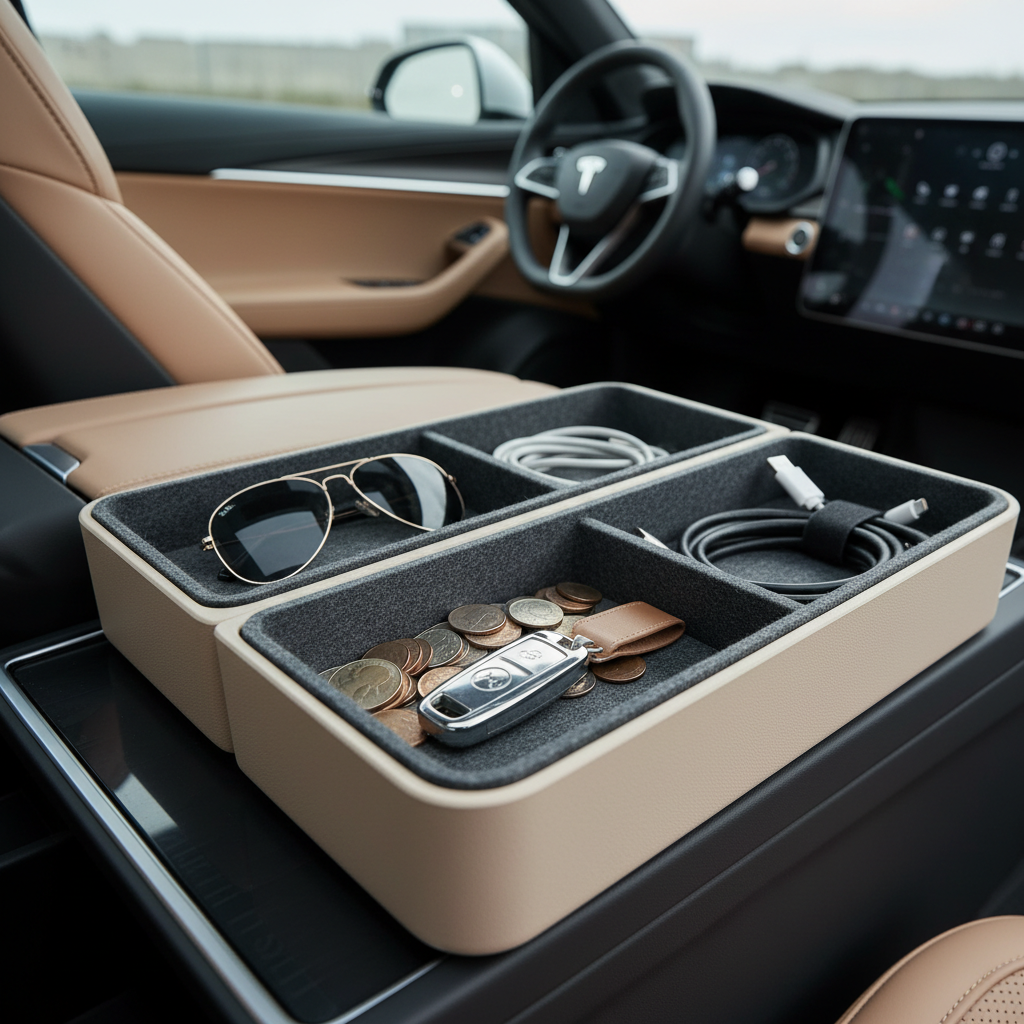
What makes an armrest organizer “best” for small items
The “best” option usually comes down to three things: access, fit, and noise control. If any one of those fails, the organizer becomes another object you work around.
- One-hand access: You can open, grab, and close at a stop without dumping contents.
- Stable fit: It sits flush in the armrest bin, doesn’t rock, and doesn’t block the lid latch.
- Quiet storage: Rubber liners, felt, or silicone sections reduce rattles and the “coin shaker” sound.
- Usable compartments: Fewer, larger sections often beat micro-slots that don’t fit real stuff.
- Easy cleaning: Removable tray, wipeable surfaces, and no deep grooves that trap crumbs.
According to NHTSA (National Highway Traffic Safety Administration), driver distraction is a safety concern, so anything that reduces fumbling around the cabin is worth taking seriously. You don’t need to obsess, just avoid setups that encourage digging while moving.
Quick self-check: which organizer style fits your car and habits
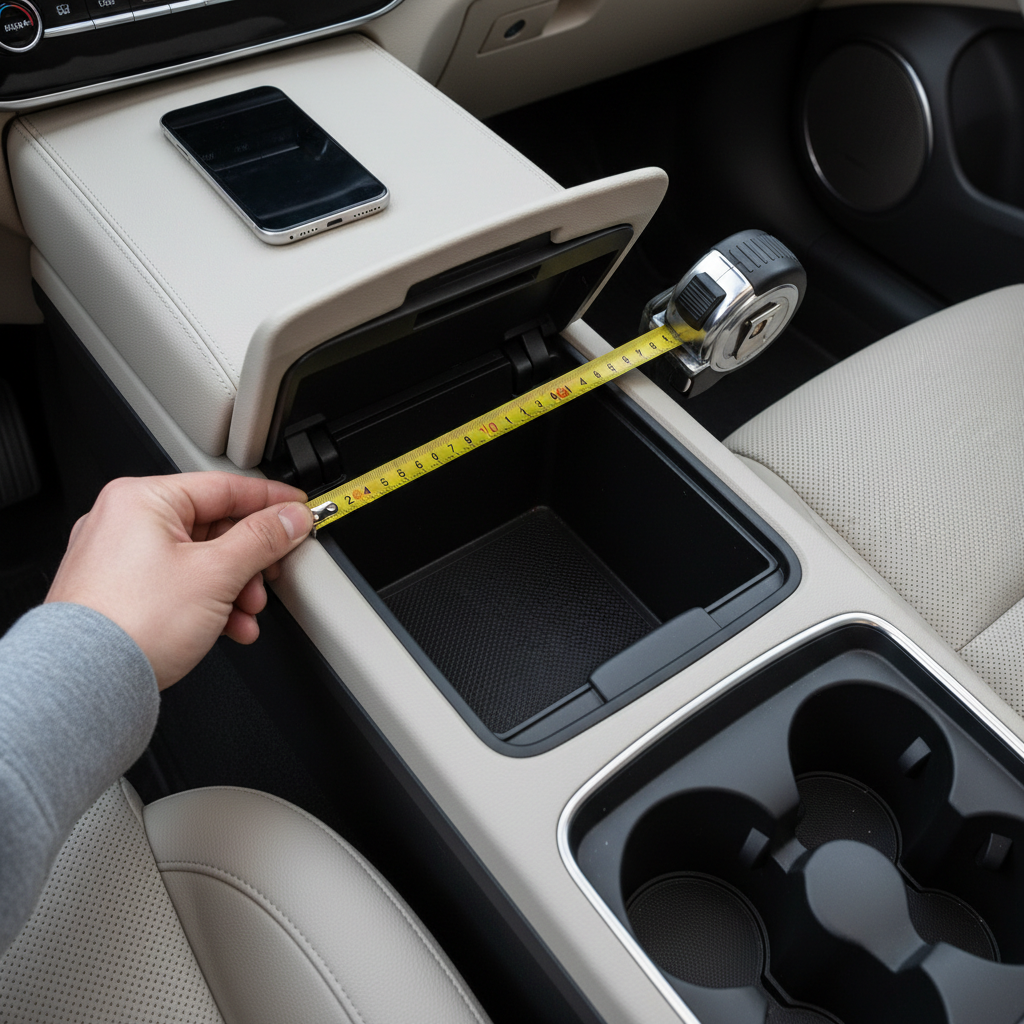
Before you buy, do a 60-second check in your parked car. This avoids the common “it looked right online” regret.
- Your armrest bin depth: If it’s shallow, tall caddies will prevent the lid from closing.
- Hinge side and opening direction: Some trays snag on hinges or latches.
- What you actually carry: Key fob, gum, AirPods case, change, meds, charging cable, small flashlight, registration.
- Climate reality: In hot states, avoid cheap plastics that may warp; sticky gels may soften.
- Who else uses the car: If you share the vehicle, simpler layouts keep it intuitive.
Tip that saves time: measure the inside length/width of the armrest bin with your phone’s measurement app or a tape measure, then compare to product dimensions instead of relying on “fits most vehicles.”
Main types of car armrest storage organizers (and who they’re for)
Most products fall into a few patterns. Matching the type to your routine is usually more important than brand.
1) Drop-in tray with dividers
This is the go-to choice for small items. It creates an “upper deck” so your essentials stay on top, while the deeper bin below holds bulk items.
- Best for: keys, coins, chapstick, cables, toll transponder, parking card
- Watch for: trays that cover the entire bin and make the lower area hard to access
2) Stackable or two-layer tray system
Useful if you carry a lot, but it can get annoying if you constantly lift trays to reach lower storage.
- Best for: rideshare drivers, long commuters, parents with frequent small-item turnover
- Watch for: wobble and squeaks, plus trays that interfere with the lid closing
3) Soft-sided pouch or insert organizer
These reduce rattling and conform better to odd-shaped bins, but they can sag and feel less “structured.”
- Best for: quiet storage, irregular console shapes, minimizing plastic-on-plastic noise
- Watch for: lint buildup, harder cleaning, and weaker access when you need one-hand grabs
4) Armrest side caddy (hang-on or strap style)
Not technically “in the armrest,” but often purchased for the same problem: no place for phone, wallet, and receipts. Great when your armrest bin is tiny.
- Best for: quick-access items you use constantly
- Watch for: blocking seatbelt buckles, rubbing the seat, or interfering with airbags in some vehicles
Comparison table: choose by what you’re trying to fix
If you’re deciding between a few styles, this table usually makes the choice obvious.
| Organizer type | Best at | Potential downside | Who should consider it |
|---|---|---|---|
| Drop-in divider tray | Daily small-item control | Fit can be model-specific | Most drivers |
| Two-layer tray | High capacity + sorting | Extra steps to access bottom | Power users, long trips |
| Soft insert pouch | Quiet, flexible fit | Less rigid organization | Noise-sensitive, odd bins |
| Side caddy | Fast access without opening lid | Can interfere with seat/seatbelt | Small consoles, frequent stops |
How to pick the right one: a practical checklist
When people search for best car armrest storage organizers, they often expect a single “winner.” In practice, the right choice depends on your console shape and your top 10 items.
- Material: ABS plastic tends to feel sturdy; silicone liners reduce sliding; fabric can be quieter but harder to wipe.
- Divider layout: Look for at least one “open bay” for bulky items and one small pocket for coins or an earbud case.
- Cable routing: If you charge inside the console, a notch for a cable is a small feature that matters every day.
- Grip/liners: Rubber pads prevent the tray from skating when you open the lid.
- Color match: Not a vanity thing; a close match looks factory and doesn’t scream “aftermarket add-on.”
Also, confirm whether your car has multiple console versions by trim level. It’s common for the “same model” to have different bins across years or packages.
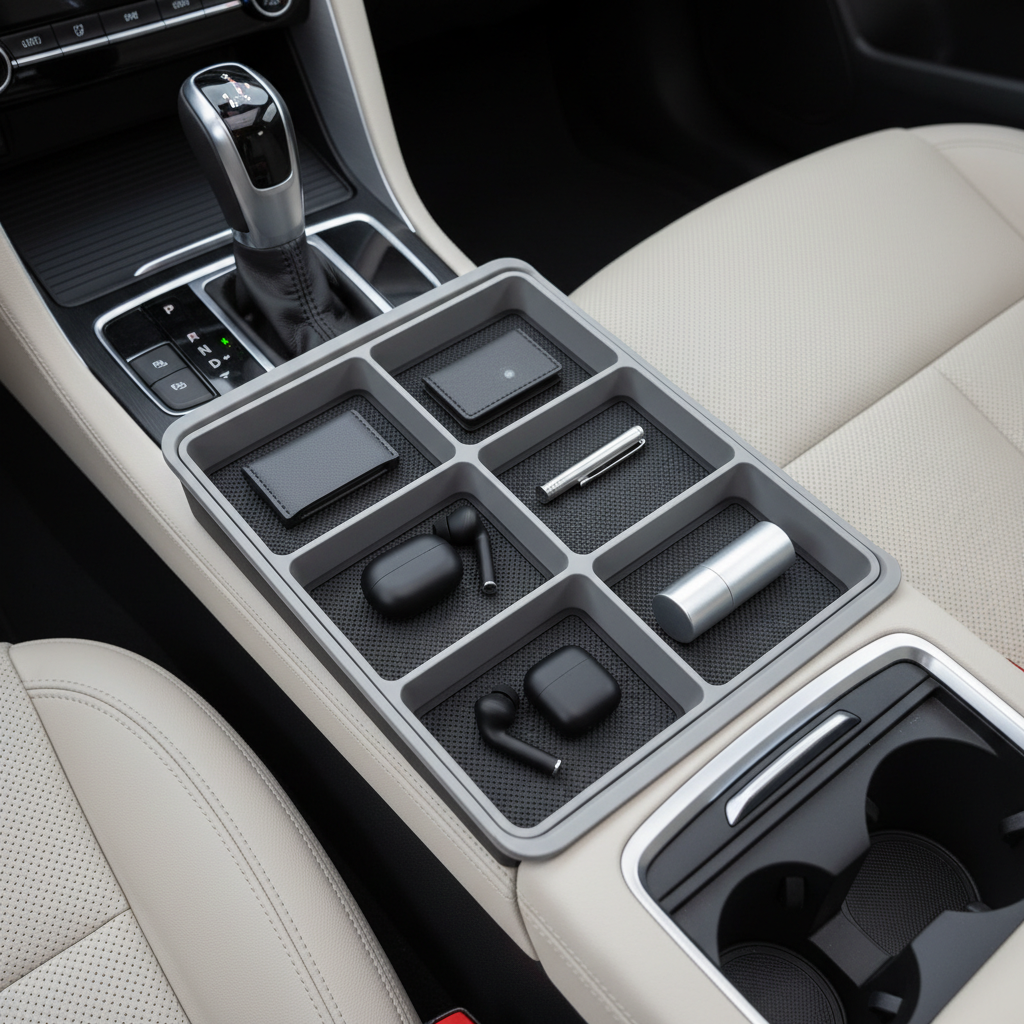
Setup steps that make the organizer actually work (not just look nice)
This part is underrated: even great organizers fail when items don’t have “assigned parking.” Give it five minutes and the whole system sticks.
Step 1: Decide your top-access items
- Phone cable, sunglasses cloth, gum or mints, parking card, key fob spare battery
- If you carry medication or anything sensitive, store it in a way that won’t overheat and consider professional advice if heat affects it
Step 2: Move “rarely used” items to the lower bin
- Emergency cash, spare charging brick, small multi-tool, backup masks, registration packet
Step 3: Add anti-rattle control
- Use included liners, or add a thin silicone mat if the tray is bare plastic
- Keep coins in a small coin cup or zip pouch, otherwise every bump becomes a sound effect
Step 4: Keep the driver zone “no-search”
If you catch yourself digging while rolling, change the layout. According to CDC, distracted driving can increase crash risk, so it’s smarter to design your storage so you only reach at stops or when parked.
Common mistakes to avoid (these waste money)
- Buying “universal fit” without measuring: many universal trays sit too high or slide around.
- Over-compartmentalizing: tiny slots look organized but don’t fit real-world items like modern key fobs.
- Blocking the armrest latch: even slight interference becomes daily friction.
- Storing heavy items up top: a top tray isn’t for metal water bottles or bulky chargers.
- Ignoring heat: adhesives, gels, and some plastics may degrade in hot cabins, especially in direct sun.
If your console lid feels “off” after installing, don’t force it. Re-seat the tray, and if it still binds, switch sizes or styles.
When it’s worth getting help or choosing a different solution
Most storage issues are DIY, but a few scenarios call for extra caution.
- If a side caddy interferes with seatbelts: switch to an in-console tray, don’t “make it work.”
- If you suspect airbag interference: check your owner’s manual and consider asking a dealership service advisor; vehicle safety systems vary by model.
- If the console has electronics or a wireless charging module: avoid forcing inserts that press against wiring or modules, and consult a professional installer if unsure.
Key takeaways (so you can buy with confidence)
- Fit beats features: measure your console bin and check dimensions before ordering.
- Drop-in trays cover most needs for small items without adding complexity.
- Noise control matters: liners and a simple coin pouch keep the cabin calmer.
- Design for safety: aim for one-hand access at stops, not “search while driving.”
If you want a simple default choice, many drivers do best with a model-specific divider tray plus rubber liner. If your armrest bin is tiny, a slim side caddy can be the better everyday fix, as long as it doesn’t interfere with seatbelts.
FAQ
What are the best car armrest storage organizers for tiny items like coins and earbuds?
Look for a drop-in tray with at least one small pocket and a rubber liner. Coins especially need a dedicated cup or pouch, otherwise they rattle and migrate into other compartments.
Do “universal” armrest organizers actually fit most vehicles?
Sometimes, but “fits most” usually means “fits enough to sell.” If your armrest bin has a curved bottom, hinge bump, or shallow depth, universal trays often wobble or prevent the lid from closing.
How do I stop my armrest organizer from sliding around?
Choose one with anti-slip pads or add a thin silicone mat underneath. If the fit is significantly loose, padding helps, but a better-sized tray will feel more solid long term.
Is a side seat-gap caddy better than an in-console organizer?
It can be, especially if you want phone and wallet access without opening the lid. The tradeoff is interference risk, so test seat movement, seatbelt buckle access, and comfort before committing.
Can an armrest organizer help keep my car cleaner?
Yes, mostly by giving “loose” items a default home. It won’t replace regular cleaning, but it reduces random clutter piles that create crumbs and sticky residue over time.
What should I avoid storing in the armrest console?
In many climates, avoid heat-sensitive items like certain medications, aerosols, and anything that could leak. If you’re unsure what’s safe in a hot car, it’s smart to ask a pharmacist or check manufacturer guidance.
How many compartments are ideal?
Usually fewer than you think. A couple of small sections plus one open area covers most routines, while overly segmented trays often become frustrating when your items change.
If you’re trying to stop the daily console scramble, start by listing the 8–12 small items you touch every week, then pick an organizer style that fits your console measurements and your reach habits. If you want, share your vehicle make/model/year and what you carry most, and I can suggest which organizer type is most likely to feel “right” without guesswork.