
Best car oil 0w20 synthetic choices come down to two things most people overlook, the approvals your engine actually requires, and how you drive in the real world.
If you have a newer Toyota, Honda, Ford, GM, or Subaru, 0W-20 is often the factory-fill viscosity, but not every 0W-20 full synthetic behaves the same under heat, fuel dilution, short trips, towing, or long drain intervals.
This guide is built to help you pick a 2026-ready 0W-20 without wasting money on hype, while staying friendly to warranties, emissions systems, and modern turbo engines.
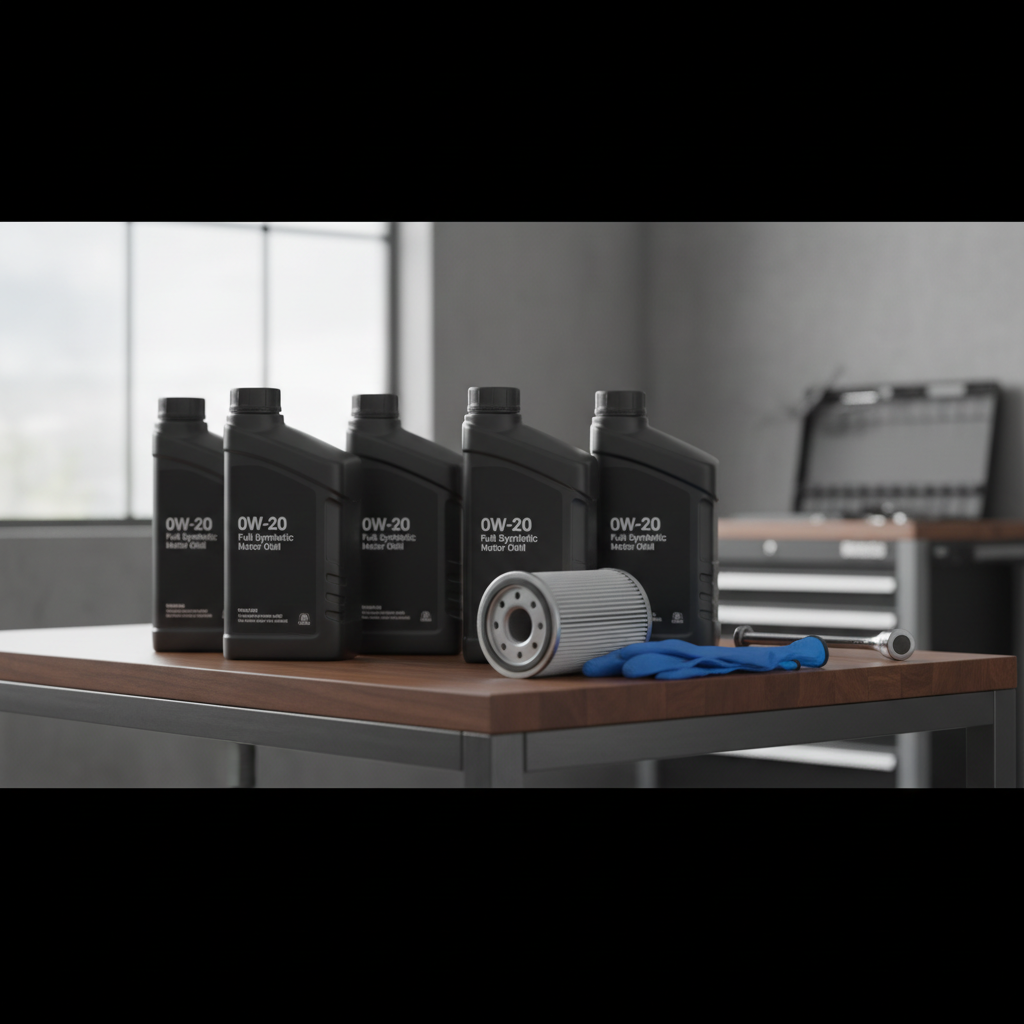
Quick note: always confirm your owner’s manual for viscosity and required standards, because some engines allow 0W-20 only in certain temperature ranges, and others demand specific OEM approvals.
What “0W-20 full synthetic” really means (and what it does not)
“0W-20” is viscosity, how thick the oil is when cold and at operating temperature. The “0W” part helps cold starts, the “20” part targets fuel economy and modern bearing clearances.
“Full synthetic” is about base oil and performance potential, but the label alone does not guarantee the oil matches your engine’s specification, or that it’s ideal for severe service.
- Cold-start protection: 0W oils typically flow faster at low temps than 5W oils, helpful in many U.S. winters.
- Modern emissions compatibility: many 0W-20 oils are formulated to protect catalytic converters and GDI/turbo hardware.
- Not a universal fit: the “best car oil 0w20 synthetic” for a naturally aspirated commuter may differ from what a small turbo needs.
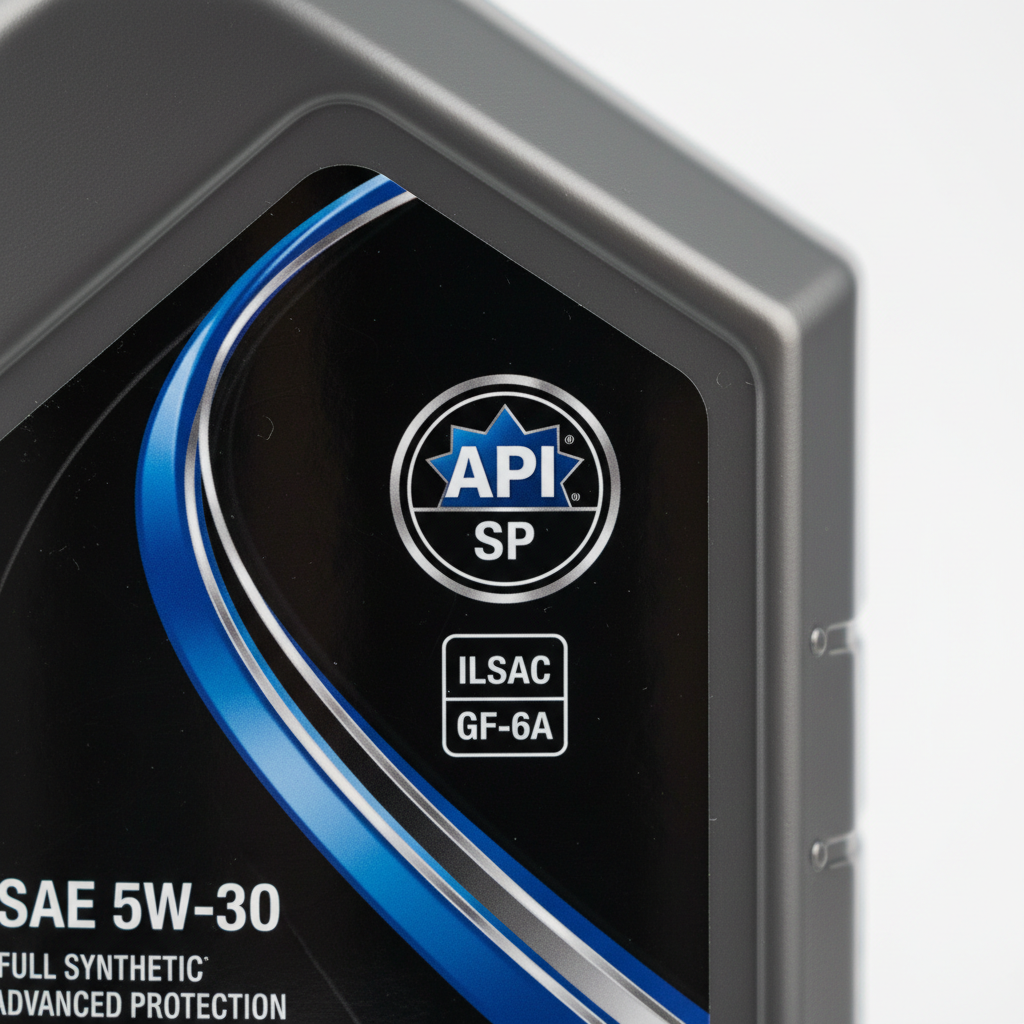
According to API (American Petroleum Institute), current gasoline-engine categories (like SP) are designed to address issues such as LSPI (low-speed pre-ignition) and timing chain wear in modern engines, so the spec on the bottle matters as much as the viscosity.
How to choose the best 0W-20 synthetic for your car in 2026
If you only remember one thing, match the required spec first, then pick the product that fits your driving pattern.
Start with the standards on the back label
- API SP (or newer where applicable): a baseline for many gasoline vehicles in the U.S.
- ILSAC GF-6A: common for fuel-economy-focused 0W-20 oils used in many Japanese and American cars.
- Dexos1 Gen 3 (GM): important if you drive a GM vehicle that calls for dexos1.
- European approvals (varies): some Euro vehicles that allow 0W-20 require specific OEM approvals; don’t assume any 0W-20 works.
Then match oil choice to how you drive
- Lots of short trips: consider shorter intervals, because moisture and fuel dilution build up.
- Turbo + GDI: prioritize strong detergency and the right spec to reduce LSPI risk.
- Hot climate or long highway runs: a robust formulation can help with sustained heat, especially if your interval is long.
- Towing or heavy loads: check manual, some vehicles recommend a different viscosity or a shorter schedule under severe service.
Top picks: best car oil 0w20 synthetic (practical categories)
Rather than pretending there is one winner for every engine, here are the categories that usually matter in real shopping decisions, with examples to look for at U.S. retailers. Always verify the bottle shows the approvals your manual calls out.
| Best for | What to look for on the label | Common examples (varies by store) |
|---|---|---|
| Everyday commuting and warranty-safe maintenance | API SP, ILSAC GF-6A | Major-brand full synthetics 0W-20 that list SP/GF-6A |
| GM vehicles that require dexos | dexos1 Gen 3 approval | Any 0W-20 that is licensed dexos1 Gen 3 |
| Turbo/GDI engines, heat, and severe use | API SP plus strong OEM approvals if required | Premium full synthetics that emphasize turbo/GDI protection |
| Longer oil change intervals (when manual allows) | Approvals + brand guidance for extended intervals | “Extended performance” lines from major brands |
| Value buys that still meet spec | Exact required spec, reputable retailer | Store brands that are API licensed and match GF-6A/dexos as needed |
- Key point: the “best car oil 0w20 synthetic” for your car is the one that meets the required approvals, is fresh stock, and fits your change interval and driving.
Fast self-check: are you picking the right 0W-20?
This takes two minutes and saves you from buying the wrong bottle.
- Your manual calls for 0W-20 (not 5W-20, 0W-16, or a Euro spec variant).
- You can name the required standard: API SP, ILSAC GF-6A, dexos1 Gen 3, or an OEM spec.
- Your driving is “normal” or “severe”: short trips, towing, heavy traffic, dusty roads usually count as severe service.
- You know your target interval: manual interval, OLM (oil life monitor), or a conservative schedule.
- You are not mixing incompatible specs: topping off is usually fine in small amounts, but don’t build a habit of mixing random oils.
According to AAA, following the maintenance schedule in your owner’s manual is one of the simplest ways to reduce avoidable breakdown risk, and oil choice is part of that bigger routine.
Practical steps to buy and use 0W-20 without regrets
Here is the workflow that works for most U.S. drivers, even if you are not “a car person.”
Step 1: Confirm spec and capacity
- Check manual for viscosity, spec, and oil capacity with filter.
- If the manual mentions a specific approval, treat that as non-negotiable for warranty peace of mind.
Step 2: Choose the product tier based on your driving
- Normal use: a mainstream API SP / ILSAC GF-6A full synthetic is usually enough.
- Severe use or turbo: consider a premium line, and shorten interval if you see fuel dilution signs.
- Extended intervals: only do this if your manual/OLM supports it, and you’re using an oil positioned for extended service.
Step 3: Don’t ignore the filter
- A quality filter helps the oil do its job, especially on longer intervals.
- If you upgrade to extended intervals, consider matching with a filter designed for that interval.
Common mistakes and myths (that cost engines money)
- Myth: “Any full synthetic is the same.” Reality, additive packages and approvals vary, and that’s what your engine was designed around.
- Mistake: stretching intervals on short-trip driving. If your commute is five minutes, the oil may never fully heat-soak, so contamination builds faster.
- Mistake: ignoring dexos or OEM approvals. If your vehicle calls for a licensed spec, “meets requirements” wording without licensing may not be what you want for warranty comfort.
- Mistake: chasing thicker oil for “extra protection.” Many engines are engineered for 0W-20 oil pressure and flow; thicker oil can change behavior, especially on cold starts.
According to SAE International, viscosity selection and modern engine design are closely linked, so it’s smart to treat the manufacturer’s viscosity recommendation as engineering guidance, not marketing.
When to get a professional opinion (or at least a second look)
If any of the situations below show up, a quick chat with a qualified mechanic often beats trial-and-error. If you’re unsure, consider asking the dealership service advisor too, especially during warranty.
- Oil consumption (needing frequent top-offs), because causes range from normal to repair-needed.
- Fuel smell on the dipstick, which can suggest fuel dilution, common in some turbo/GDI patterns.
- Repeated warning lights or abnormal engine noise after an oil change.
- Modified engines or track use, where factory oil recommendations may not match your load/temps.
Conclusion: the smartest way to pick 0W-20 in 2026
The best buying decision usually looks boring on purpose, confirm the exact required spec, pick a reputable 0W-20 full synthetic that clearly lists it, then set an interval that matches how you actually drive.
If you want a simple next step, open your manual and write down the required standard and capacity, then shop by that requirement first. That small move tends to beat chasing the most expensive bottle on the shelf.
If you’re comparing two oils that both meet the same approvals, choose the one you can buy consistently and on-time, because consistency matters more than micro-optimizing.
Key takeaways
- Spec beats brand. Match API SP / ILSAC GF-6A, dexos1 Gen 3, or OEM approvals your manual requires.
- Driving style should influence interval. Short trips and towing often need shorter schedules.
- Don’t forget the filter. Especially if you push longer intervals.
FAQ
- Is 0W-20 synthetic good for high-mileage cars?
It can be, if your engine calls for 0W-20 and consumption is under control. If you burn oil, a mechanic may suggest checking for leaks or considering an oil formulated for high-mileage seals, but staying within the required spec still matters. - Can I switch brands if they are both 0W-20 full synthetic?
Usually yes, as long as the new oil meets the same approvals your vehicle requires. The safer approach is to keep using oils with the same certifications and avoid mixing oddball specs. - What does API SP mean for my engine?
It signals the oil meets a modern gasoline-engine standard focused on issues seen in newer designs, including LSPI protection for many turbo engines. It’s not a magic shield, but it’s a meaningful baseline. - Do I really need dexos oil for my GM vehicle?
If your manual specifies dexos1, sticking with a licensed dexos1 product is a practical way to reduce compatibility questions. Some bottles claim “meets” dexos, but licensing is the clearer signal. - How often should I change 0W-20 synthetic oil?
Follow the owner’s manual or your oil life monitor. If you do lots of short trips, idle time, towing, or dusty driving, many cases justify a shorter interval than the maximum listed. - Is 0W-20 too thin for hot states like Arizona or Texas?
Many engines are designed to run 0W-20 in hot climates, but severe service can still shorten intervals. If you tow or see high oil temps, consult the manual and a professional before changing viscosity. - What’s the easiest way to avoid buying the wrong oil?
Match three things, viscosity (0W-20), spec/approval (SP/GF-6A/dexos/OEM), and your service category (normal vs severe). If one of those is unclear, pause and verify.
If you’re trying to pick the best car oil 0w20 synthetic quickly, bring your manual requirements (or your VIN) to a trusted shop or parts counter, and ask them to confirm the exact approval match before you buy, it’s the easiest “no regrets” move.