
How to fix car door handle loose inside usually comes down to one of three things: a loose fastener, a worn/broken clip, or a stretched linkage cable or rod inside the door.
If you catch it early, this is often a straightforward DIY. If you ignore it, the handle can stop opening the door at the worst time, and you might end up yanking harder, which tends to break plastic retainers and makes the job longer.
In this guide, I’ll help you narrow the cause fast, decide whether you can safely handle it at home, and walk through common fixes without turning your door into a rattle box.
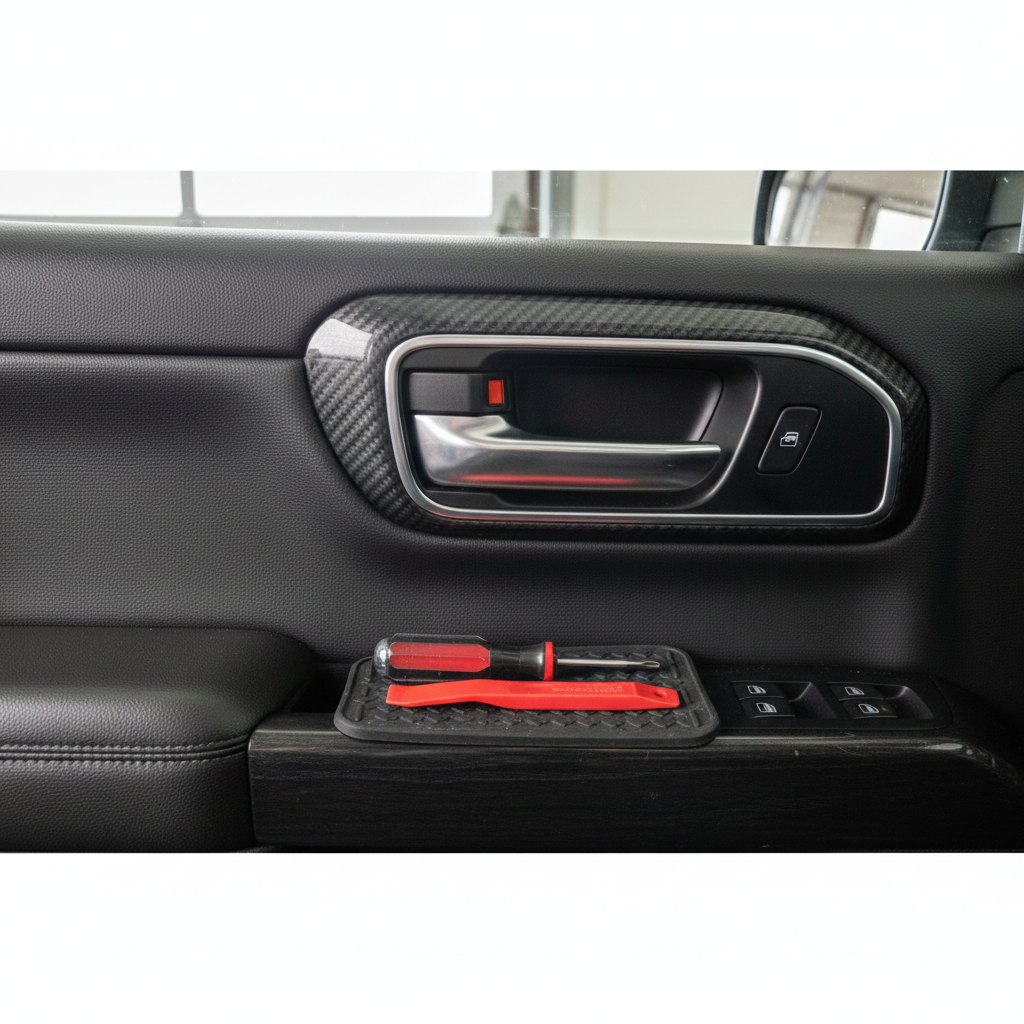
What “loose inside” usually means (and why it happens)
People describe this a few different ways: the handle wiggles, feels floppy, has extra travel before it “catches,” or it opens the door only if you pull just right. The underlying causes are pretty consistent across many vehicles.
- Loose mounting screws/bolts: The handle assembly shifts because a fastener backed out or the plastic mount cracked.
- Broken retainer clip: Small plastic clips hold a linkage rod or cable sleeve in place, once they crack, the handle feels vague.
- Stretched cable or bent rod: The handle moves, but the latch does not get a full pull.
- Worn latch mechanism: Less common, but a sticky latch can make you pull harder and accelerate wear elsewhere.
According to NHTSA, you should address vehicle components that affect entry/egress promptly, especially if a door might not open reliably, because that can become a safety issue in some situations.
Quick self-check: which problem do you likely have?
Before you pull a door panel, do a few small checks. They save time and help you buy the right clips if you need them.
5-minute checklist
- Wiggle test: Does the handle move side-to-side as if the whole unit is loose, or does it move only in the pull direction?
- Listen: A soft “click” followed by nothing often points to a cable/clip issue, a rattly clunk can mean loose hardware.
- Compare: If the passenger handle feels tight and the driver handle feels sloppy, it’s usually a localized clip or mount.
- Door open vs. closed: If it feels different when the door is open, the latch/cable geometry may be off.
- Lock behavior: If the lock knob/button action feels normal but the handle is loose, focus on handle linkage, not the actuator.
If the door sometimes won’t open from the inside, treat it as urgent. Many DIY steps are still possible, but you want to avoid getting stuck in a parking lot forcing the handle.
Tools and parts you might need (keep it simple)
Most fixes for a loose interior handle need basic hand tools plus a couple of cheap trim items. The exact screw type varies by make, often Phillips or Torx.
- Trim removal tool set (plastic pry tools)
- Phillips screwdriver and/or Torx bits
- 10mm socket set (common on many cars)
- Needle-nose pliers (helpful for clips)
- Flashlight or headlamp
- Replacement door handle clips or a handle assembly (if broken)
Key point: If you’re unsure which clips your car uses, a parts diagram from your OEM parts site or the dealership parts counter can keep you from buying a “universal” kit that almost fits.
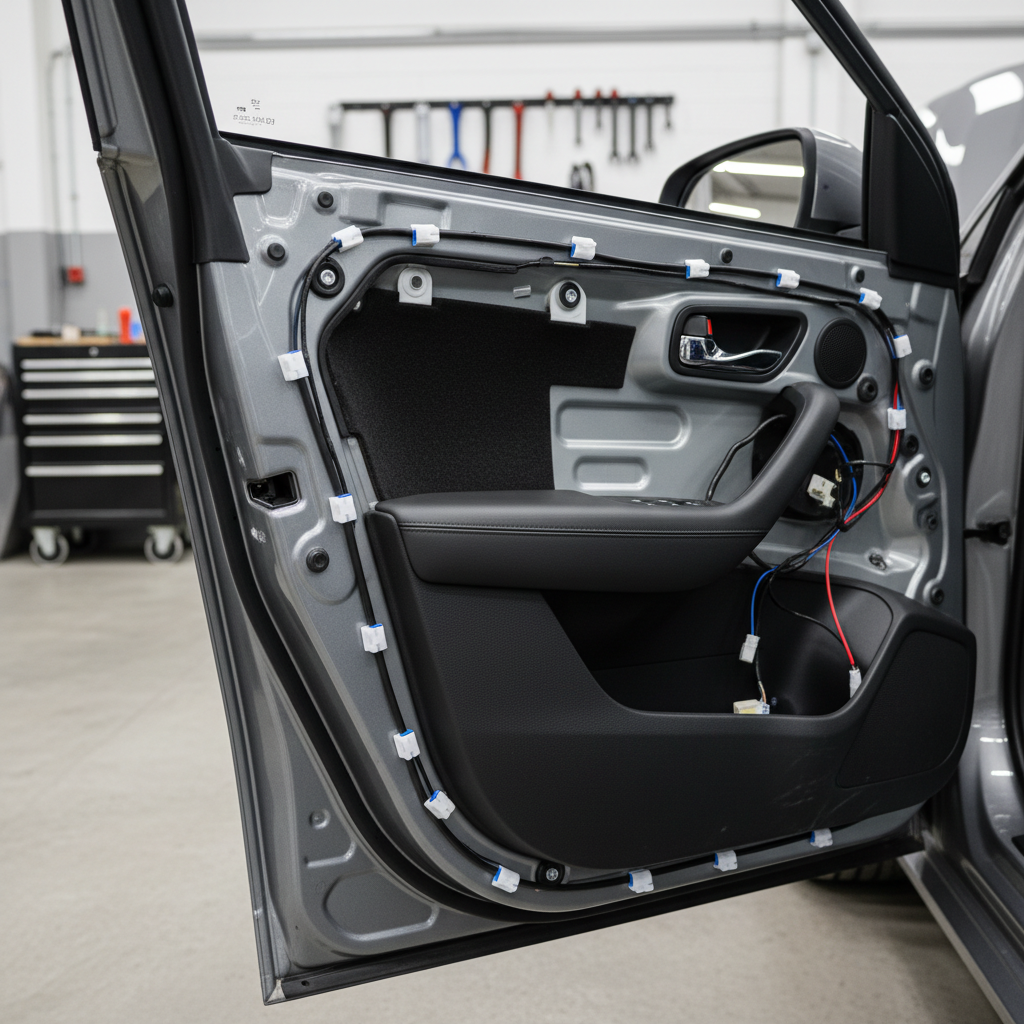
Step-by-step: how to fix a car door handle that’s loose inside
How to fix car door handle loose inside is mostly a door-panel-access job, but you do not need to fully dismantle everything if you work carefully and keep track of fasteners.
1) Prep safely
- Park on a flat surface, window up, ignition off.
- If your door has airbags or lots of electronics, consider disconnecting the battery. Many vehicles tolerate panel work without it, but the conservative move is to disconnect and wait a few minutes. If you’re uncertain, consult a service manual or a professional.
2) Remove the door panel (typical approach)
- Look for screws behind small covers near the handle and armrest, and along the bottom edge.
- Use a trim tool to pop the panel clips around the perimeter, then lift the panel upward to clear the window channel.
- Disconnect electrical connectors gently, do not yank on wiring.
Tip: Put screws in a cup and snap a quick photo of each area. This isn’t “extra,” it prevents the classic one-mystery-screw problem.
3) Inspect the handle mount and linkage
With the panel off, you’re looking for anything that moves when it shouldn’t.
- Loose fasteners: Check the screws/bolts holding the interior handle to the door panel or metal frame.
- Cracked plastic: A mount tab can split, which makes tightening feel useless.
- Cable sheath not seated: Many designs use a cable with a fixed sleeve, if the sleeve pops out of its bracket, the handle gets “extra slack.”
- Rod clip broken: Rod-style linkages use colored plastic clips that swing over the rod, if the clip is open or missing, you’ve found the slop.
4) Fix based on what you find
Here are the common repairs that actually solve the looseness.
- Tighten mounting screws: Snug them evenly. If threads are stripped in plastic, you may need a new handle assembly or a repair method recommended for your model, over-tightening usually makes it worse.
- Replace a broken clip: Swap the retainer with the correct part, then confirm the rod/cable is locked in place and cannot pop out when you tug the handle.
- Reseat the cable housing: Push the cable sleeve fully into its bracket until it clicks or sits flush, then re-test for free play.
- Straighten a bent rod: Only if it’s clearly bent and you can correct it gently. Aggressive bending can snap it or damage the latch.
- Address a sticky latch: If the latch feels gummy, cleaning and using a suitable latch lubricant may help, but don’t flood electronics. If you’re unsure, a shop can confirm whether the latch itself needs replacement.
5) Test before reassembly
- Operate the handle with the door open, then closed.
- Check inside handle, outside handle, and locks.
- Make sure the linkage stays seated when pulled quickly, not just slowly.
If it still feels loose but nothing obvious is broken, you may be looking at a worn handle pivot or latch wear, and replacing the handle assembly is often more efficient than chasing tiny tolerances.
Common fixes at a glance (table)
This table helps you match the symptom to the likely repair so you don’t overcomplicate the job.
| Symptom | Likely cause | Typical DIY fix | Difficulty |
|---|---|---|---|
| Handle wiggles side-to-side | Loose mount or cracked housing | Tighten fasteners, replace handle if tabs cracked | Easy–Medium |
| Extra pull travel before it opens | Cable sheath unseated or stretched cable | Reseat sheath, inspect cable, replace if worn | Medium |
| Handle pulls but does nothing | Rod popped out, clip broken | Replace clip, reattach rod | Medium |
| Only opens if you pull hard | Sticky latch or linkage binding | Inspect for binding, consider latch service/replacement | Medium–Hard |
Mistakes that waste time (or break more parts)
- Pulling harder instead of diagnosing: That’s how small plastic retainers crack, then the handle becomes truly floppy.
- Using metal screwdrivers to pry trim: It mars panels and can snap clips. Plastic pry tools cost less than replacing trim.
- Forgetting the vapor barrier: That plastic sheet behind the panel helps keep water away from electronics. Put it back in place.
- Mixing up screws: Similar screws can be different lengths. Putting a long screw where a short one belongs can dimple the panel.
- Skipping a function test: Test with the panel off, because redoing clips twice gets old fast.
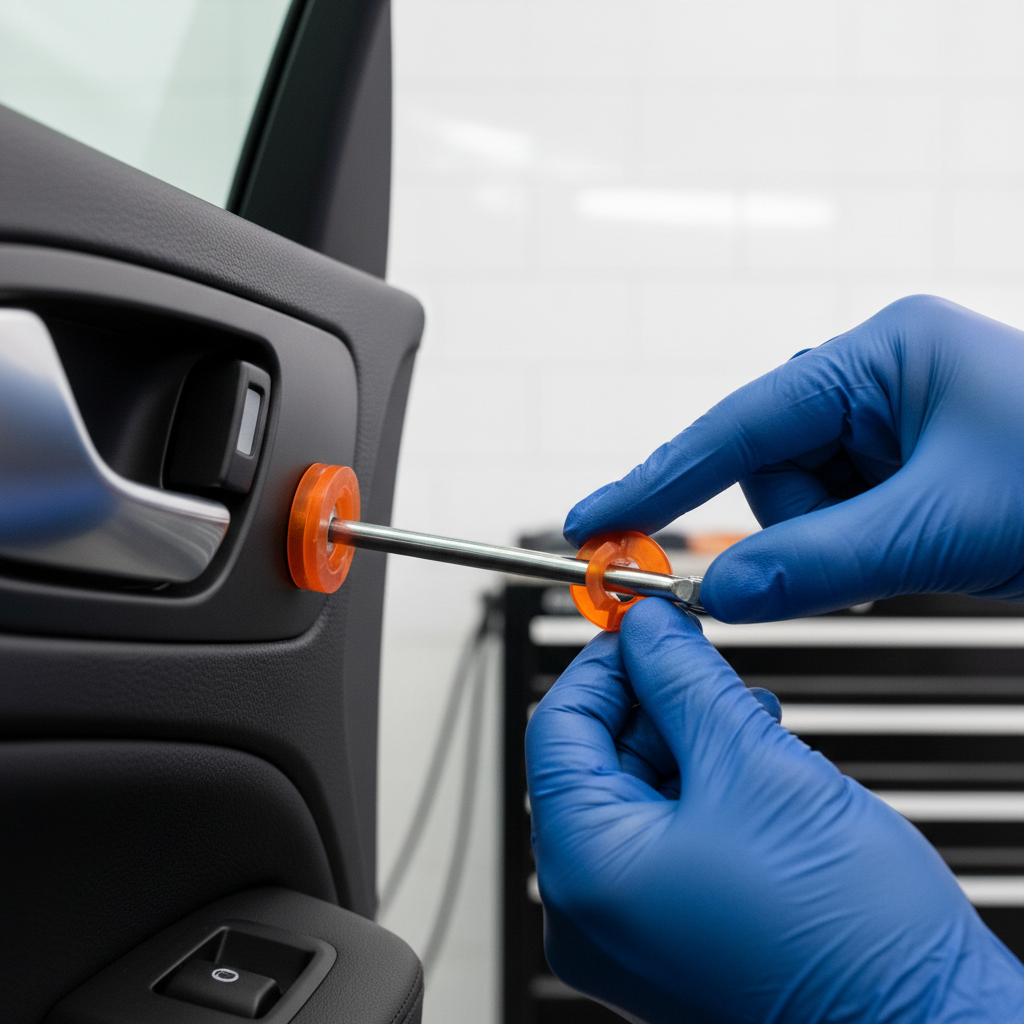
When it’s smarter to get professional help
Some door issues look like “just a loose handle” but hide a bigger failure. In these cases, a mechanic or body shop may save you time and prevent broken trim.
- The door won’t open from inside or outside, or it intermittently sticks closed.
- You see broken metal in the latch area, or the latch feels gritty or jammed.
- Your vehicle has complex door electronics and you’re not comfortable disconnecting and reconnecting harnesses.
- You suspect an airbag-related component in the door and you don’t have model-specific guidance.
According to AAA, basic preventive maintenance and timely repairs help reduce the chance of breakdowns and safety issues, and door hardware problems fit that “fix it before it escalates” category in many cases.
Key takeaways and a practical next step
If you’re figuring out how to fix car door handle loose inside, focus on the simple stuff first: mounting fasteners, a popped cable housing, or a broken retainer clip, those are the usual culprits and they’re typically affordable fixes.
Pick one action today: run the quick self-check, then plan either a clip/handle parts run or book a shop visit if the latch seems involved. Either way, you’ll stop the “pull twice and hope” routine before it turns into a stuck door.
FAQ
Why is my inside door handle loose but still opens the door?
That often points to a partially cracked clip or a cable housing that’s not fully seated. It still pulls the latch, just with extra slack, and that slack usually grows over time.
Can I drive with a loose interior door handle?
Many people do for a while, but it’s a risk if the door stops opening when you need to exit quickly. If it feels worse week to week, treat it as a near-term repair.
How much does it cost to fix a loose door handle inside?
If it’s a clip, the part is often inexpensive, but labor can vary because door panel access takes time. If the handle assembly or latch needs replacement, cost typically goes up.
Do I have to replace the whole handle assembly?
Not always. Loose screws or a single broken retainer clip can be enough to cause the problem. If the handle pivot or housing mount tabs are cracked, replacing the assembly is often the cleaner fix.
What if the handle feels loose only when it’s cold outside?
Cold can make plastics stiffer and more brittle, and marginal clips may slip or crack more easily. It can also change how lubricants behave in the latch, so a borderline sticky latch may show up more in winter.
How long does door panel removal usually take?
On many vehicles it’s a 20–60 minute task once you know where the screws and clips are, but first-timers often spend extra time hunting hidden fasteners and working carefully to avoid breaking trim clips.
Is it safe to lubricate the latch?
Light lubrication can help, but avoid spraying blindly inside the door where it can reach speakers or electrical connectors. If you’re unsure what product to use for your latch type, checking a service manual or asking a professional is a safer move.
My door won’t open from the inside at all, is it still “loose handle”?
Sometimes, but it can also be a disconnected rod/cable or a failing latch. If you’re stuck having to roll down the window and use the outside handle every time, it’s worth diagnosing immediately.
If you’re in the middle of this repair and want a more straightforward path, a model-specific interior handle kit with the correct clips and instructions can reduce trial-and-error, especially when the “universal” clip bins don’t quite match your linkage.