
How to check car oil level without dipstick usually comes down to two realities: your engine uses an electronic oil level sensor, or the dipstick is missing/broken and you still need a safe, reasonably accurate read.
If you guess wrong and drive low on oil, you risk expensive wear, but overfilling can also cause problems, especially on some turbo engines. The goal here is not “perfect lab accuracy”, it’s a dependable check you can repeat.
Below I’ll walk through the practical tool-based options, when each one makes sense, what “normal” looks like on the display or sensor reading, and where people tend to trip up.
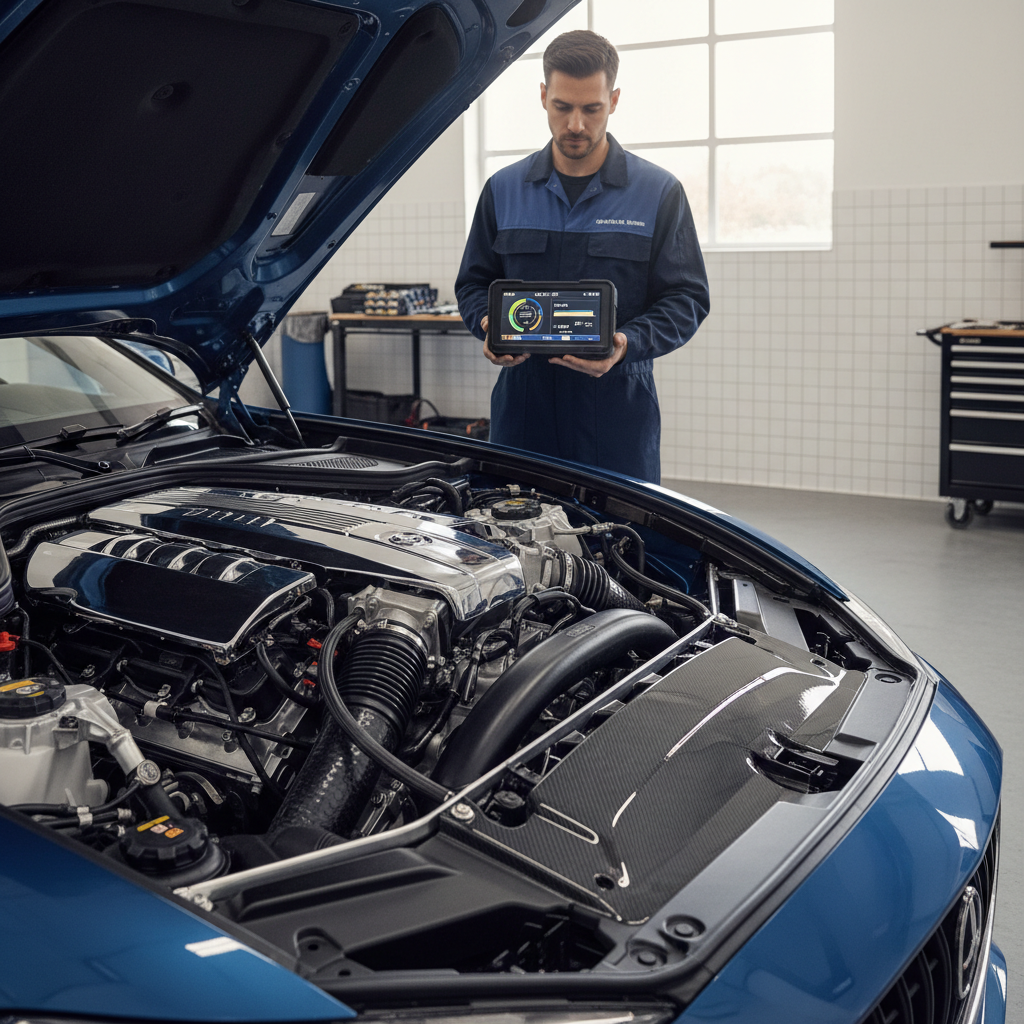
Why some cars have no dipstick (and why that matters)
Many newer vehicles, especially European brands and some newer domestic models, moved oil-level checks to sensors and on-screen menus. In a lot of cases, the dipstick tube isn’t just “missing”, it was never designed to be used routinely.
- Electronic level sensors: The car calculates oil level using a sensor in the oil pan, sometimes combined with temperature and run-time logic.
- Sealed or service-only dipsticks: Some engines have a capped tube or a special service dipstick meant for technicians.
- Packaging and emissions reasons: Manufacturers sometimes reduce under-hood touchpoints, but it also means owners must follow the procedure exactly.
The key implication: with sensor-based systems, conditions matter. Wrong temperature, tilted parking, or checking too soon after shutdown can give a confusing read.
Quick self-check: what system are you working with?
Before buying tools or pulling parts, figure out which situation you’re in. This saves a lot of frustration.
- You have an oil level menu in the dash/infotainment that shows “OK / Add 1 qt” or a bar graph → you likely have a sensor-based check.
- You have an oil pressure warning light only (no level readout) and no dipstick → you may still have a level sensor, but it might not be exposed in the cluster.
- The dipstick broke (handle snapped, stick stuck, tube damaged) → treat it as a mechanical problem plus a measurement problem.
- Unknown history (used car, engine swap, missing parts) → verify with the owner’s manual and a quick under-hood inspection.
According to AAA, warning lights should be taken seriously and checked promptly, not ignored until the next trip. With oil, that’s especially true because the “oil can” light often indicates pressure, not “a little low.”
Tools you can use to check oil level without a dipstick
There isn’t one universal tool that works for every car, but these options cover most real-world cases. Choose the least invasive method that still gives you confidence.
1) Factory electronic oil level display (best if available)
If your vehicle provides an oil level reading in the menu, use it. It’s the method the engine management expects, and it reduces guesswork.
- Look for “Vehicle info”, “Engine oil level”, or “Service” menus.
- Follow the prompts: many require the engine at operating temp, then a wait period.
- Expect results like “Measure not possible” if conditions aren’t met.
2) OBD2 scanner + app (useful when the dash won’t show level)
Some cars store oil level data in the ECU but don’t show it to the driver. An OBD2 scanner (Bluetooth dongle or handheld) plus a compatible app may reveal oil level, oil temperature, and related PIDs.
- Best for: tech-comfortable owners, intermittent warnings, used-car verification.
- Limitations: many generic scanners won’t expose manufacturer-specific oil level parameters.
- Tip: if you can read oil temperature, you can at least confirm you’re checking under consistent conditions.

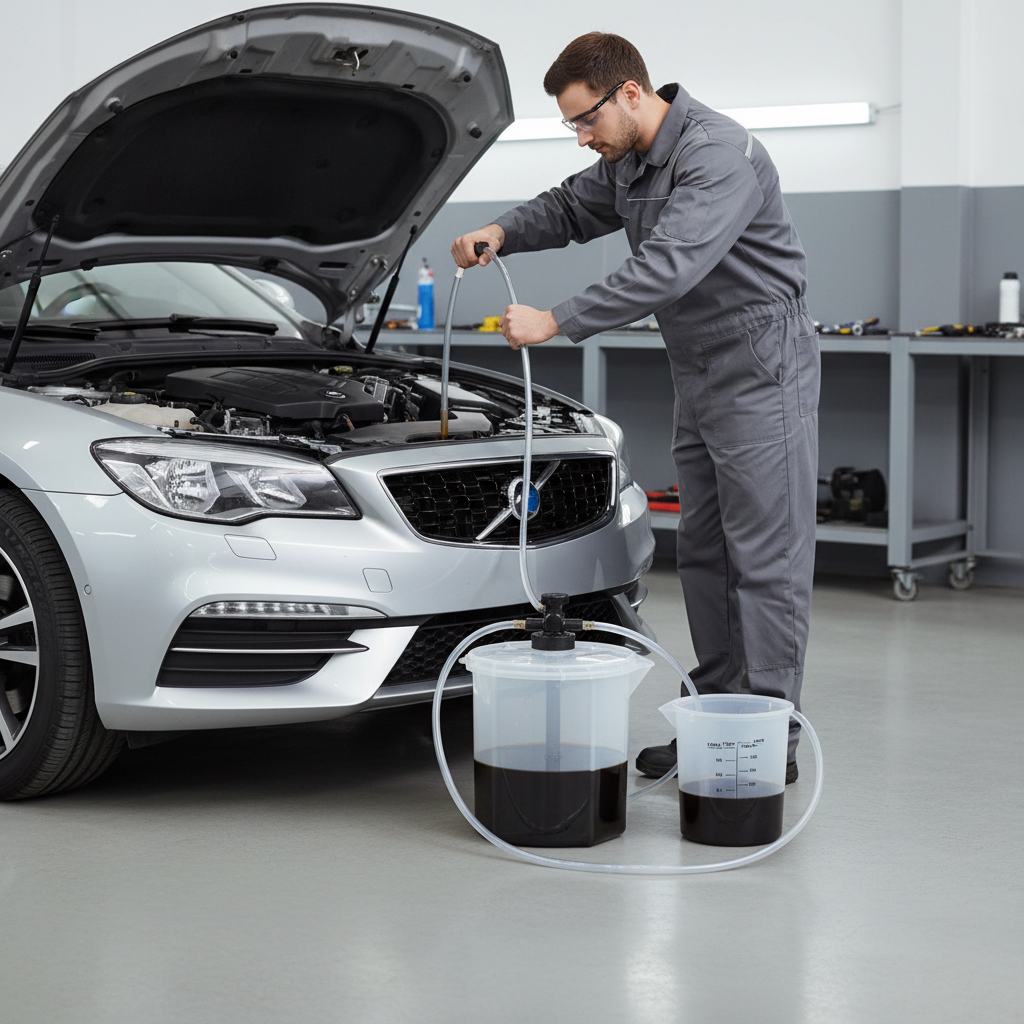
3) Oil extractor pump + measured refill (practical if you suspect overfill)
If you suspect the engine was overfilled and you can’t confirm with a dipstick, an extractor pump (through the fill hole or service port, depending on design) lets you remove small, measured amounts.
- Best for: correcting a likely overfill after DIY top-off.
- How it helps: you can remove 0.2–0.5 qt at a time, then re-check via sensor/menu.
- Risk: not every engine layout allows clean extraction through the fill opening.
4) Service dipstick (vehicle-specific, shop-level accuracy)
Some engines use a “service dipstick” sold separately. You insert it into the tube and read oil level like a traditional dipstick, but the markings may be different from what you expect.
- Best for: engines known for service dipstick use (common on certain European models).
- Important: the correct part number matters, a wrong-length tool creates wrong readings.
5) Controlled drain-and-measure (most accurate, most effort)
If you truly need certainty and other methods aren’t available, a controlled drain into a measured container, then refilling with the specified capacity can reset you to a known baseline. This is closer to a full oil service, so many owners prefer a shop.
According to NHTSA, proper vehicle maintenance helps reduce the risk of breakdowns and crashes. If you’re not confident working under a vehicle safely, this is a good place to stop and ask for help.
Step-by-step: checking oil level using tools (by scenario)
Pick the scenario that matches your car and stick to it. Mixing procedures is where people get conflicting readings.
Scenario A: Your car has an electronic oil level check
- Park on level ground and shut off the engine.
- If the manual specifies checking at operating temperature, drive until warm, then follow the stated wait time (often 5–15 minutes).
- Navigate to the oil level menu and run the measurement.
- If it says “Add 1 qt” (or similar), add small increments, usually 0.25–0.5 qt, then re-check after the required wait.
Real-world note: if you add oil and immediately re-check, many systems won’t update yet. Let it settle.
Scenario B: No dash display, try OBD2 data
- Plug in the OBD2 device, connect to the app, and pull engine data.
- Look for manufacturer-enhanced data lists that include oil level, oil temp, or “oil condition.”
- Record the reading once warm and once cold; consistency often matters more than the absolute number.
- If the tool cannot read level, don’t force conclusions from unrelated PIDs.
Scenario C: Dipstick is missing or broken
- Do not keep driving “to see if it’s fine” if you suspect low oil.
- If the broken dipstick might be inside the tube, avoid pushing tools down the tube; you can wedge it deeper.
- Use the electronic method if available, or schedule a shop visit to extract the broken piece and verify level.
Decision table: which method should you use?
If you want a quick answer, this table usually points you the right way.
| Situation | Best tool/method | Why it fits | Watch out for |
|---|---|---|---|
| Oil level shown in vehicle menu | Factory electronic check | Designed for that engine | Temp/wait-time requirements |
| No menu, but you want more data | OBD2 scanner + app | May access hidden oil level PIDs | Generic scanners may not support it |
| Suspected overfill after top-off | Extractor pump + re-check | Removes small measured amounts | Mess risk, access varies |
| Engine uses service dipstick design | Vehicle-specific service dipstick | Closest to classic measurement | Wrong part length = wrong reading |
| Need certainty, unknown level | Controlled drain-and-measure | Resets to known capacity | Safety under vehicle, disposal rules |
Common mistakes that create bad readings (or real problems)
- Checking on a slope: Even small angles can skew sensor readings and make you chase a “low” message.
- Mixing up oil level vs oil pressure: The oil warning icon often signals pressure loss, which can be urgent.
- Adding too much, too fast: Sensor systems can lag; people add a full quart, then discover it was already fine.
- Assuming every OBD2 app shows oil level: Many don’t, and some labels are ambiguous.
- Ignoring the manual’s procedure: With electronic checks, the exact warm-up and wait sequence is part of the measurement.
If you’re experimenting to learn your vehicle, keep a simple log: date, mileage, oil added, and what the system reported. Over time, it becomes obvious what “normal” is for your engine.
When to stop DIY and get professional help
There’s a point where the smartest move is letting a shop verify level and inspect for leaks or sensor faults, especially if the car keeps throwing messages.
- Oil pressure warning light comes on, even briefly
- You smell burning oil or see smoke from the engine bay
- The electronic level display is unavailable repeatedly
- You suspect the dipstick broke off inside the tube or oil pan
- You find metal shavings on a drain plug magnet during service
According to ASE (National Institute for Automotive Service Excellence), using qualified technicians and proper procedures helps ensure repairs meet safety and reliability expectations. If your situation involves uncertain oil level plus warning lights, a diagnostic check is usually worth the cost.
Key takeaways and a practical plan
If you’re trying to how to check car oil level without dipstick and you want the simplest plan, start with the factory electronic method, confirm conditions, then use an OBD2 scanner only if you need deeper visibility. If you suspect overfill, remove small measured amounts and re-check instead of guessing.
- Today: confirm whether your car offers an oil level menu, and read the manual’s exact check procedure.
- This week: if you own the car long-term, consider an OBD2 scanner that supports manufacturer data.
When the readings don’t make sense, don’t fight the car, step back, reset the conditions, and if needed have a technician verify level and sensor health.
FAQ
Can I check oil level without a dipstick just by looking in the oil fill hole?
Usually no. You might see oil splashed around, but it won’t tell you the level in the pan. If your engine has an electronic reading, it’s far more reliable than visual guesses.
What’s the difference between an oil level warning and an oil pressure warning?
Oil level warnings suggest you may need to add oil soon. Oil pressure warnings can indicate the engine isn’t getting oil flow, which can be urgent. If you’re unsure which light you saw, check the manual or have it scanned.
How accurate is an electronic oil level sensor?
In many cases it’s accurate enough for maintenance decisions, but it can be sensitive to temperature, wait time, and parking angle. If the readout changes a lot between checks, focus on repeating the same conditions.
Will any OBD2 scanner show oil level?
No. Many scanners only show generic emissions-related data. Oil level often requires manufacturer-specific PIDs, so compatibility depends on the car and the software.
If the system says “Add 1 quart,” should I add a full quart at once?
Not always. Some systems are conservative, and the reading may lag after you add oil. Adding 0.25–0.5 qt, waiting the required time, then re-checking helps avoid overfilling.
Is it safe to drive if I can’t check the oil level?
It depends. If there are no warnings and the engine sounds normal, short trips may be fine, but it’s still a risk if you suspect low oil or a leak. If a warning light appears, it’s safer to stop and investigate.
What if my dipstick broke off inside the tube?
That’s a good reason to get professional help. Trying to fish it out can push it deeper or damage the tube. A shop can remove it safely and confirm the oil level at the same time.
If you’re dealing with a missing dipstick, mixed dashboard messages, or you just want a more repeatable way to how to check car oil level without dipstick, a compatible OBD2 setup and a quick procedure checklist can make the whole process calmer and less guessy.